Home Blog Page 567

Coronavirus: 217 new cases confirmed in Galway

0
Galway Daily news 25 percent drop in COVID cases in Galway hospitals

The Department of Health has reported 3,955 new cases of COVID-19 and 28 further deaths related to the disease, of which 26 occurred this month.

A total of 217 new cases were reported in Galway, taking the 14-day incidence rate in the county to 1,093 cases per 100,000  – with 2,822 new confirmed cases in the past fortnight.

Across the state, 1,789 people diagnosed with COVID-19 are in hospital as of 2pm today, 169 of whom are in ICU.

There were 127 cases at University Hospital Galway at 8pm yesterday evening and 11 people with the disease at Portiuncula Hospital. Twelve of those with COVID at UHG were in critical care when the data was taken.

In January so far there have been 208 Covid deaths, of which 23 were linked to outbreaks in hospital and 38 linked to nursing home outbreaks.

Almost half of the Republic’s confirmed cases have occurred in the past two weeks.

Cyclists caught in Galway among first on-the-spot fines for breaking travel limits

0
Galway Daily news Oranmore active travel

Two cyclists from outside of the county stopped by Gardaí near Carrick, Galway were among the first people to receive on the spot fines for breaking the 5km travel limit.

Gardaí received the power on Monday to issues on the spot fines of €100 for breaking the 5km limit by way of fixed charged penalty notice.

Since then 29 people have been issued with FPNs, while a further eight fines have been issued or previous alleged breaches between January 1 and January 10.

The two cyclists caught at Carrick, who were not from the same household, were 19km from where they lived outside of Galway.

They claimed the “reasonable excuse” of getting exercise for being outside the 5km limit, but this is not allowed, and fines were issued.

This weekend Gardaí will be continuing to operate additional static checkpoints on national roads, along with mobile checkpoints and high-visibility patrolling.

This is a continuation of Operation Fanacht, with the checkpoints meant to support the Stay Home/Stay Safe message.

Currently people are only allowed to exercise within 5km of their home under Level 5 restrictions, and current public health advice states that if public amenities are crowded, people should avoid them.

As it did last week, An Garda Síochána is advising the public that they are at risk of their car being towed away and impounded if they park illegally at such amenities because it can hinder access by emergency services.

Galway City Council closed all car parking along the Salthill Promenade at the start of this month in order to limit crowds there amid spiralling case numbers in Galway.

An Garda Síochána are appealing for people to support frontline workers fighting huge numbers of COVID-19 patients in hospital by staying at home.

Deputy Commissioner, Policing and Security, John Twomey said, “Our health service is under pressure. Deaths from COVID-19 are rising. ICU admissions are increasing.”

“The best way for people to protect and honour front-line workers is to stay at home. The best way for people to protect their loved ones, their neighbours, and their communities is to stay at home.”

“Please only make essential journeys. Exercise within 5km of your home. Minimise the amount of people you meet. Wear a face mask. Maintain social distancing. Wash your hands. If you visit somewhere to exercise and it is crowded then leave. This will all help reduce the spread of COVID-19 and protect lives,” added Deputy Twomey.

Watch | Catherine Connolly slates government and Mother & Baby Homes report

0
catherine connolly td galway daily news mother and baby homes report

Catherine Connolly TD has hit out at the government in the Dáil for their handling of the Mother and Baby Homes report – and criticised the conclusions of the report itself.

She slated the ‘three unwise men’ – the Taoiseach, Tánaiste and Minister for Children – for not ensuring survivors of Mother and Baby Homes were given copies of the Report before it was published to the general public on Tuesday.

Speaking about the report, the Independent Galway West TD said that she struggles for words, and accused the government of placing ‘abuse on abuse’, referring to the manner in which the subject is being dealt with.

Speaking to An Taoiseach Micheál Martin, Deputy Connolly said: “You’re saying here today that we’re all responsible.

“I am not responsible. My family was not responsible. The people I know were not responsible. And those least responsible were those put into the Homes.

“So don’t stand here today and expect me to listen to you with patience when you tell us society did that.”

Deputy Connolly referred to the Tuam Home in her statement, drawing attention to the fact that it was under the control of Galway County Council, criticising the role of the County Manager throughout the years.

“Either we believe the women – or we don’t,” said the Galway TD, commenting on the conclusions of the commission’s report that there was no evidence of compulsion.

“If we don’t believe them, we’re adding utter hurt – they always feared they wouldn’t be believed.

“So I’m using my few minutes here to say I absolutely believe the survivors,” she said.

Watch Catherine Connolly TD’s statement below

Temperatures set to fall again with frost and icy patches forecast

0
galway daily news galway weather forecast today

Temperatures are set to drop to between -2 and 2 degrees in Galway tonight with Met Éireann warning of frost and icy patches.

It will be cold and mostly dry, with clear spells and light winds. Mist and fog are possible in eastern parts of the county.

Tomorrow (Friday) morning will be cold and dry, with any frost and fog patches gradually clearing as the day goes on.

There will be some bright spells during the morning, but cloud will increase and rain will develop in the west in the early afternoon before spreading eastwards.

Highest afternoon temperatures will be between 7 and 9 degrees Celsius in freshening southerly winds.

Friday night will be wet and breezy with rain spreading eastwards across the country and becoming widespread. It will be heavy at times, with the risk of localised flooding.

Schools and classes for children with additional needs to reopen from next Thursday

0
Galway Daily classroom summer provision

Children at special schools and those in special classes in primary schools will begin returning to in-person classes from next Thursday, 21 January.

The decision came following a meeting between government Ministers and primary and special education stakeholders this morning.

Minister for Education Norma Foley said that the government is also working with post-primary stakeholders to address their concerns and recognising that post-primary schools present different logistical challenges if a partial return is to be possible.

“I very much hope that we can work together to set out a pathway for the return of all children at all levels of schooling at the start of February, subject of course to Government and public health consideration of what constitutes the safe movement of people at that point,” said the Minister.

“I am aware that staff, parents and students across all levels of education are looking for very clear communication from our colleagues in the health sector to reaffirm that infection prevention and control measures in our schools are effective at this time.”

Minister for Special Education Josepha Madigan added: “The driving concern is and must continue to be the wellbeing in the fullest sense of the children who rely on specialist provision to receive their education and to progress.

“I am pleased that today we can provide them and their families with some certainty of a return to routine, with a phased return for children in special classes and schools, and provision for children with identified needs in mainstream classes.”

Letter | “The buck stops with the Government to make amends for their wrongs  of the past”

0
galway daily news letter to editor cian mortimer people before profit galway debenhams workers strike

Dear Editor,

Sebastian Barry’s fictional novel ‘The Secret Scripture’ , based on a true story was clearly a case in point  of who were the pillar of society monsters that conspired to lock up people in mental institutions who were perhaps more sane than their prepatators, the Clergy included, to get them out of the way, using  inheritance issues such as land and other reasons to keep the status quo.

His story is one, that mirrors the tragic’ mother and baby’ stories that nearly every extended  family in Ireland could relate to.The clergy using the holier than thou, high moral ground and  brainwash  to get rid of  families ‘inconvenience’ or ‘case’ whatever you want an to call it.

Deputy Catherine Connelly and Richard Boyd Barret are correct in saying that the report is a whitewash, priests and nuns who were the bulk of these’ pillars’ were acting out as Dr Jenkyll and Mister Hyde characters within the confines of these Institutions. They came and took the victims  in medieval like fashion, to keep control of a changing society.

The buck stops with the Government now to make amends for their wrongs  of the past.

Ian Hester, Co. Roscommon

COVID-19: 138 patients hospitalised in Galway

0

There were 138 people in hospital in Galway being treated for COVID-19 as of Wednesday night according to the latest HSE figures.

As of 8pm Wednesday there were 127 confirmed cases at University Hospital Galway, the third highest number in the country behind UH Limerick (142), and Cork UH (139).

There are a further 11 known cases at Portiuncula Hospital in Ballinasloe. The only acute hospitals with fewer patients are Crumlin (3), and Tallaght and Temple St, which both have none.

Testing on suspected cases is almost completely up to date, with results awaited on just a single suspected COVID-19 case at UHG.

There are 12 COVID-19 patients in Intensive Care at UHG, where just two beds remain available at the ICU.

In Portiuncula there were two cases in the ICU as of Wednesday night, when no critical care beds were available.

Galway saw 200 new cases reported yesterday, while there were 63 deaths reported nationwide.

“We are seeing some early signs of progress with daily case numbers and positivity rates. We can take some hope from them, but we have a long, long way to go,” said Dr Tony Holohan, Chief Medical Officer on Wednesday.

“In the coming weeks ahead, we will need to draw upon our reserves of resilience from springtime as we can expect to see hospitalisations, admissions to ICU and mortality related to COVID-19 increase day on day.”

“To ensure our hospitals and loved ones remain protected, and stay alive to receive the vaccine, please continue to follow public health advice and stay home.”

1,214 children waiting on initial assessment speech therapy in Galway

0
Galway Daily news Call to save Mervue bus stop for sake of older residents

A Galway TD has called for an immediate plan from the Government for children to access speech and language therapy.

Figures received by Mairéad Farrell TD state that 41,055 children are currently waiting on some form of treatment.

Of these, 14,288 children are waiting on an initial assessment, 9,365 children waiting on initial therapy, and a staggering 17,402 children are waiting on further therapy.

“To have 41,055 children waiting on some form of treatment is unacceptable,” said Deputy Farrell.

“14,288 of these children are waiting on initial assessment nationally. Other figures show another 9,365 children waiting on initial therapy and a staggering 17,402 children waiting on further therapy.

“The figures are very worrying in Galway, which has 1,214 children waiting on initial assessment, 739 children waiting on initial therapy and 2,079 children waiting on further therapy.”

Mairéad Farrell TD said that early intervention is critical to a child’s development and said that a 6-year-old child could be waiting 2 years to get an initial assessment.

“The then 8-year-old child could they be waiting a further two years just get some initial speech and language therapy,” she said.

“Finally, according to the figures, they could be 10 or 11 before they receive the vital further treatment that they need. This is absolutely unacceptable.

“Children are being moved from list to list and not getting the appropriate treatment at the appropriate time. This is having a severe impact on their development and is curtailing children’s future growth.”

The Sinn Féin TD added that Covid cannot not be used as an excuse for the Government’s abandonment of children’s needs.

“In some areas, physiotherapists, occupational and speech and language therapists were redeployed as Covid swabbers and contact tracers, resulting in a complete loss in services.

“It would have made more sense to use non-frontline staff, or one of the more than 60,000 people who volunteered for ‘Ireland’s Call’ to work as Covid swabbers and contact tracers.”

Challenging yet rewarding year for O’Donnellan & Joyce Auctioneers

0
Galway Daily business Challenging yet rewarding year in the property market for O'Donnellan & Joyce

Despite predictions that the property market would experience a major downturn in 2020 due to COVID-19, this has certainly not been the experience of the people involved in the industry.

For the auction department at O’Donnellan & Joyce in Galway, 2020 came to be their most challenging year in the Auctioneers’ 38 year history, but in many ways it was also found to be their most rewarding.

The lockdown which came into effect from March made almost every part of their business harder. Not only were offices closed, but it was far more challenging to connect with customers, and for them to connect with their potential new home or investment.

While social distancing was the order of business in the first auction after lockdown, O’Donnellan & Joyce would eventually go completely remote in order to avoid any crowds.

This necessitated a complete change in many of their usual practices, leveraging modern technology to connect with interested customers, and to shift their auctions online. The response to this proved to be incredibly enthusiastic, with sales remaining strong throughout the year.

It was always expected that 2020 would be exceptional, but this was looked at with hope at the beginning of the year Colm O’Donnellan said.

“It started off with such hope and promise with Galway starting the year as the European Capital of Culture, it was anticipated to be a bumper year.”

The year’s first auction took place on February 28, and certainly got off to a strong start. Of the 26 properties from Galway, along the Atlantic Coast, and beyond, 90% were sold on the day.

This came to €4,256,000 worth of sales, which included notable successes such as a 3 bed semi-detached house at 4 Cedarwood Close, Highfield Park, Galway City, which went for €354,000 at the final call, off a guiding price of €265,000.

This all changed in March when Ireland slammed into lockdown. With no indication of how long businesses would remain shuttered, and people unable to travel, many worried that the property market would be severely hampered.

Auctions in lockdown

Unable to bring people out to view homes, Marketing Executive at O’Donnellan & Joyce Aaron O’Reilly organised a video tour of all the properties currently for sale, letting people view a walkthrough of them online.

This proved to be a smash hit, with a huge number of people not just logging in to look through the homes on offer, but engaging with their agents and showing great interest.

During this initial period of closure, the team at ODJ decided to chip in and hold a virtual charity fundraiser for the organisations that were struggling in the pandemic.

Of course, rather than just asking for donations they put a signature flair on the event, auctioning off three fictitious properties. Colm O’Donnellan and staff were connected with one another and their bidders remotely, all from the comfort of their own living rooms.

This would prove to be an indicator of what was to come when the offices opened back up on June 8, and the enquiries generated by the virtual tours proved that the property market was still thriving.

To test the waters, and ensure that they had the technological capacity to enable remote bidding on a larger scale, four properties were put up for auction online on July 3.

All four properties sold, with total sales coming to €478,000, as online and phone bidders cheerfully competed well in excess of expectations.

The first full auction after the onset of the pandemic took place on July 24. There were sure to have been sighs of relief as no indication presented itself that people were shying away from buying homes or offices.

All 26 properties on the block at this auction were successfully sold for a total of €3,224,000, at an event that mixed enhanced remote bidding with carefully managed, socially distanced in-person attendance at the Harbour Hotel.

The highlight of this auction was the first property up for sale at 16 Aran Court, Knocknacarra Road, Salthill, a one-bedroom apartment that had been among the most popular for viewings, and sold for more than double its guide price at €155,000.

Challenging yet rewarding year in the property market for O'Donnellan & Joyce

One trend that became clear during the July auction was a marked preference among buyers for homes in established communities, close to local services and amenities.

Going fully remote

The early push for remote bidding was welcome come September, when new government restrictions put an end to any in person attendance for the auction.

Colm O’Donnellan helmed the auction with his staff from the Harbour Hotel, and people followed the live stream of events from their home, bidding online or over the phone through the platform created specifically for this.

Aside from a wealth of attractive houses and apartments, three items of great interest were a group of derelict former Garda Stations put up for sale by the Office of Public Works in Leenane, Maam, and Corrandulla.

There was fierce bidding for these buildings, all of which went for several times their guide price, totalling €791,000.

In all there were 28 properties for sale at the September auction, which generated sales of €4,188,000.  

Two more fully remote, live streamed auctions took place in October and December of 2020, further strengthening the safety features by placing the auctioneer in his own room and having all parties involved connected completely remotely.

The October 30 auction generated sales of more than €3.1 million, with 26 of the 30 properties listed finding new owners in Sligo, Mayo, Kildare and Meath.

There was no let up in the pace, or the enthusiasm of buyers, on December 11 at the grand finale to the year, where 17 of the 20 properties which went under the hammer were sold.

There was fierce bidding for some, like the very attractive bungalow for sale at Middle Third near Maree in Oranmore overlooking Kilcaimin Bay, which went for €480,000 after an eight way fight.

Challenging yet rewarding year in the property market for O'Donnellan & Joyce
default

In some cases, buyers didn’t wait for the action to start, as in the case of the Mayfly Hotel in Foxford, Co. Mayo, which sold before the auction for €225,000.

Looking ahead

Colm O’Donnellan said that they’re not making any forecasts for 2021, as it has become clear this would be a foolish thing to do when nobody knows what’s around the next corner.

That said, he takes an optimistic view of how remote working tech has changed their business model, making it easier to sell to people beyond the local area.

“With modern technology we can reach out and obtain bids from a much wider and larger audience than ever before.”

The next O’Donnellan & Joyce nationwide property auction will take place on Friday 26th February. For anyone with a property that they are interested in selling, the deadline to register is the 22nd of January.

Contact Colm O’Donnellan on 091 564 212 or email colm@odj.ie to include your property for sale.

ODJ Live Stream Auctions 2020 Review from ODJ Marketing on Vimeo.

NUI Galway elects new Governing Authority

0
galway daily nui galway
Photo credit: Nevan McCartin

NUI Galway has announced the results of elections for staff and graduates to its new Governing Authority, which sees women take up six of the 10 positions.

The new Údarás na hOllscoile will come into existence on 1 February 2021 and will serve until 2025.

An online election was held on Monday and Tuesday of this week to appoint the University staff and graduates to the new Governing Authority.

President of NUI Galway Professor Ciarán Ó hÓgartaigh thanked all those who stood for election and welcomed the new members.

“All those who stood for election to the Údarás deserve huge credit for supporting our University’s democracy and raising the profile of the Governing Authority and the important work it does,” Professor Ó hÓgartaigh said.

“And congratulations to all those who have been successful. The work of the members of the new Údarás in the coming months and years will be crucial as our University implements our strategic plan Shared Vision, Shaped by Values and assesses and supports all the other initiatives and developments that we are pursuing.

“The range of talent, commitment and experience that our graduates, academics and professionals bring to the new Governing Authority will be an enormous asset for our University as we work to ensure the high levels of transparency, accountability and ambition fitting for our university as an institution for the public good.”

The following have been elected to the new Governing Authority:

:: Academic staff – Dr Rachel Hilliard; Dr Anthony Grehan; Dr Dara Cannon

:: Professional service staff – Sinéad Beacom; Eric Mortimer; Monica Crump

:: Graduates – Edel Browne; Conor Fottrell; Retired Brigadier General Ger Aherne; Nuala Ní Chonghaile

More than 5,000 graduates and staff voted in the election.

Three Professors were appointed to the Governing Authority ahead of the election after the number of nominations matched the number of available positions.

They are Professor Aisling McCluskey, School of Mathematics, Statistics & Applied Mathematics; Professor Michal Molcho, Children’s Studies, School of Education; and Professor Jim O’Gara, School of Natural Sciences.

Student elections to elect four representatives to the Governing Authority will begin in late January.

Caroline Loughnane, NUI Galway Secretary for Governance & Academic Affairs, said: “We have experienced unprecedented levels of interest in this election from staff and graduates.

“It is really inspiring to see the range and quality of candidates who are willing to invest their time and energy in shaping the future of the University.”

“There has never been a more important time for effective and agile governance. As universities navigate the uncertain landscape created by the Covid-19 pandemic and look ahead to impending changes in governance legislation from Minister for Further and Higher Education, Research, Innovation & Science, Minister Simon Harris, the role of the Governing Authority is crucial in setting the strategic direction for higher education.”

Professor Ó hÓgartaigh also paid tribute to the members of the outgoing Údarás.

“It was a privilege for our University to have someone like former Supreme Court judge Catherine McGuinness chair the Údarás for the last number of years, working with members who had such a breadth of expertise and knowledge for the betterment of our University.”

“Thank you to everyone who served on the Údarás and supported its work over the last five years,” Professor Ó hÓgartaigh said.

More than 3,000 join pandemic unemployment in Galway

0
Galway Daily news Fewer than 4,000 remain on pandemic unemployment in Galway

More than 3,000 people in Galway went onto the pandemic unemployment payment this week according to the latest department figures.

PUP payments were made to 21,464 people in Galway this week, up from 18,233 the week prior.

Despite the recent Level 5 restrictions reimposed by the government, this is still below the peak number of people on the scheme in Galway of 32,300 in May 2019.

Nationwide there were 398,000 people in receipt of the Pandemic Unemployment Payment this week, 62,607 more than the week prior.

This represents a weekly increase of 18.7% of people availing of the scheme amidst the Level 5 lockdown restrictions.

These figures are in addition to the 189,860 people who were reported on the Live Register as of the end of December.

Minister Heather Humphreys said that these figures show the “stark impact” the COVID-19 pandemic is continuing to have on the labour market.

“The decisions taken by the Government to impose increased restrictions on sectors such as construction, retail and education were not taken lightly”.

“But these decisions are necessary in order to protect lives, livelihoods and our frontline workers.”

Approval given for expansion of Galmont Hotel

0
Galway Daily news Annual BiG BANG networking event taking place in Galway City
The Galmont Hotel

Planning approval has been given for an expansion of the Galmont Hotel & Spa in Galway City to increase its number of guest bedrooms.

Galway Leisure Investment Ltd received planning permission for renovations that would involve a total growth of 10 guest bedrooms after demolition and expansion works.

The project will involve demolishing two bedrooms on the second and third floors of the east wing, and the construction of a new link corridor between the east and north wings on the second floor.

Also to be built will be another link corridor and extension at the third and fourth floors of both wings, creating 14 new bedrooms.

This will result in a total growth of 12 bedrooms at the hotel, 10 of which will be in the north wing.

Galway Daily news Approval given for expansion of Galmont Hotel

The City Council granted planning permission with 12 regular conditions attached to the approval.

“The objective of this proposed rooftop extension is to meet the demand for additional accommodation required in Galway City Centre,” the application states.

“The design approach is to blend into the existing building style using a grey panel system to match the existing rooftop/penthouse on the eats wing of the hotel”.

“Elsewhere brick is used as indicated to match into the existing material palette on the hotel facade.”

“There is no additional parking proposed as part of this planning application,” the application states, adding that the current provision consists of 232 spaces, and that the hotel is close to the city’s main transport hub.

Taoiseach apologises for state’s failures on Mother and Baby Homes

0
Galway Daily news Taoiseach apologises for state's failures on Mother and Baby Homes

Taoiseach Micheál Martin gave a statement in the Dáil on Wednesday in which he apologised on behalf of the state for the “generational wrong” endured by women and children victimised by Mother and Baby Homes.

The final report of the Mother and Baby Homes Commission of Investigation was released this week.

It showed a failure of “empathy, understanding and basic humanity” in Irish society, including the state and church, for a prolonged period of time the Taoiseach said.

The report “lays bare” the failures of the state to protect these woman and children, and a society of “perverse religious morality and control, judgementalism and moral certainty” that abused, neglected, and shunned young woman for not complying with the “warped attitude to sexuality and intimacy” that was dominant in Ireland.

On top of the wrong’s suffered by young women as a result this, children born outside of marriage were “stigmatised” and treated like “outcasts”, often suffering terrible abuse within this state and church run system.

The state, which acted as the main funding authority for these Mother and Baby Homes, failed to uphold its duty of care for the women and children there Micheál Martin said.

The Taoiseach’s full statement reads:

It is the duty of a republic to be willing to hold itself to account. To be willing to confront hard truths – and accept parts of our history which are deeply uncomfortable.

This detailed and highly painful report is a moment for us as a society to recognise a profound failure of empathy, understanding and basic humanity over a very lengthy period.

Its production has been possible because of the depth of courage shown by all those who shared their personal experiences with the Commission.

The report gives survivors what they have been denied for so long: their voice, their individuality, their right to be acknowledged.

Before going into detail about the report it is important to say that it would not have been possible without the steady determination of the former residents, their advocates and researchers who campaigned with them.

I particularly want to acknowledge the critical part played by Catherine Corless whose work at the Tuam Mother and Baby Home site led directly to the establishment of the Commission.

On behalf of the government I want to thank the three Commissioners – the Chair, Judge Yvonne Murphy, Professor Mary Daly, and Dr William Duncan — and their team.

Their Report reveals the dominant role of the churches and their moral code and lays bare the failures of the State.

They have produced the definitive account of how this country responded to the particular needs of single women and their children at a time when they most needed support and protection.

This should have been forthcoming from the fathers of their children, their family and friends, their community and their State, but so often it was not.

The often painful and distressing testimony of many survivors is presented in detail in the report of the confidential committee prepared by the Commission.

Reading the Commission’s findings and the report of the confidential committee the most striking thing is the shame felt by women who became pregnant outside of marriage and the stigma that was so cruelly attached to their children.

Testimonies from the women speak of the pressure to make sure that no one in their locality would find out about their pregnancy. One speaks of not being allowed to return to school after becoming pregnant because it would bring shame on the school.

Extracts from witness accounts shine a light on the attitudes that women encountered:

“I was treated like a second class citizen by my family, society had an obsession with hiding everything”

“Nobody will want you now” said the mother of a witness, 14-years old when it was discovered that she was pregnant.

“Get her put away!” were the words of a father of a 19-year old when told of her pregnancy.

In the earlier decades covered by the report, witness testimony describes how a dearth of sex education often left young women confused and unaware of how and why they had even become pregnant. Some of these pregnancies were as a result of rape and/or incest.

Children born outside of marriage were stigmatised and were treated as outcasts in school and in wider society. Some children who were subsequently boarded-out experienced heartbreaking exploitation, neglect and abuse within the families and communities in which they were placed. This was unforgiveable.

The sense of abandonment felt by many of these children is palpable in the witness accounts. The circumstances of their birth, the arrangements for their early care, the stigma they experienced and the continuing lack of birth information, is a terrible burden in their lives.

Many women, children and fathers left these shores to escape this unfair judgement and life-long prejudice and because they thought it was the only way to protect their families’ reputations.

While many have built good lives for themselves, many did not overcome the impact which these formative experiences had on their lives and may have suffered and struggled with many serious personal problems.

One of the clearest messages of the testimonies in this report is how this treatment of women and children is something which was the direct result of how the State, and how we as a society acted.

The Report presents us with profound questions.

We embraced a perverse religious morality and control, judgementalism and moral certainty, but shunned our daughters. We honoured piety, but failed to show even basic kindness to those who needed it most.

We had a completely warped attitude to sexuality and intimacy, and young mothers and their sons and daughters were forced to pay a terrible price for that dysfunction.

To confront the dark and shameful reality which is detailed in this report we must acknowledge it as part of our national history. And for the women and children who were treated so cruelly we must do what we can, to show our deep remorse, understanding and support.

And so, on behalf of the Government, the State and its citizens, I apologise for the profound generational wrong visited upon Irish mothers and their children who ended up in a Mother and Baby Home or a County Home. As the Commission says plainly — “they should not have been there”.

I apologise for the shame and stigma which they were subjected to and which, for some, remains a burden to this day. In apologising, I want to emphasise that each of you were in an institution because of the wrongs of others.

Each of you is blameless. Each of you did nothing wrong and has nothing to be ashamed of. Each of you deserved so much better. The lack of respect for your fundamental dignity and rights as mothers and children who spent time in these institutions is humbly acknowledged and deeply regretted.

The Irish State, as the main funding authority for the majority of these institutions, had the ultimate ability to exert control over these institutions, in addition to its duty of care to protect citizens with a robust regulatory and inspection regime.

This authority was not exerted and the State’s duty of care was not upheld. The State failed you – the mothers and children in these homes.

The report brings a considerable amount of previously unknown information into the public domain. It has exposed the truth, once hidden, to reveal significant failures of the State, the churches and of society.

Women were admitted to mother and baby homes and county homes because no supports were forthcoming from any other quarter. They were forced to leave home and seek a place where they could stay without having to pay. Many were destitute.

In the personal testimonies of how many women ended up in these institutions, the priest, the doctor and the nun loom large. The sense of oppression, even at this distance, is overwhelming.

Mothers, terrified by the consequences of their pregnancy becoming known to their family and neighbours, entered mother and baby homes to protect their secret and the pressure to maintain this secret added insult to injury and was a large part of the mother’s trauma.

Conditions in the homes varied. Before the 1960s, living conditions in many private Irish households were generally poor. In the congregated settings of mother and baby homes poor sanitary conditions had much more serious consequences for disease and infection control.

County homes, as well as Kilrush and Tuam, are identified as having appalling conditions. Conditions in other mother and baby homes were better and improved over time.

Many of the women suffered emotional abuse and were often subject to denigration and derogatory remarks from the religious, with little kindness shown, especially when giving birth. The overall picture is of a hard, cold and uncaring environment.

One of the most disquieting features of the report is that up until 1960 mother and baby homes appear to have significantly reduced the prospects of survival of children. The death rate among infants in mother and baby homes was almost twice that of the national average for children born outside of marriage.

A total of approximately 9,000 children died in the institutions under investigation – approximately 15% of all the children who were in their care.

It is deeply distressing to note that the very high mortality rates were known to local and national authorities at the time and were recorded in official publications.

However, there is little or no evidence of State intervention in response to these chilling statistics and deaths. In fact, a number of reports actually identifying the problems were not acted on.

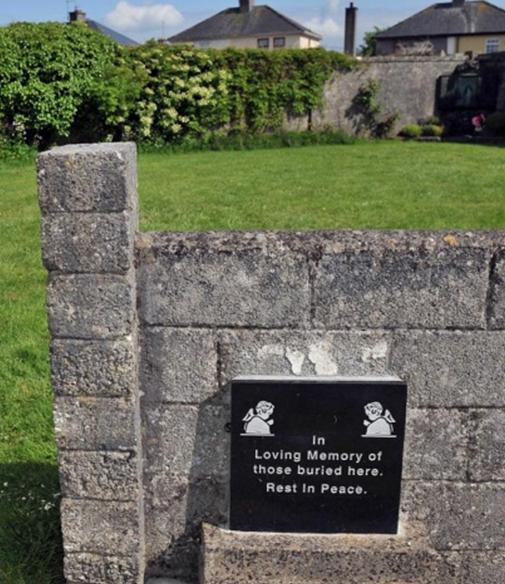
It will be a disappointment that the report does not answer all the deeply personal questions on the burial arrangements for many of the children who died in these institutions – in many cases the burial location remains unknown and uncertain.

There are no records for a number of the large institutions where significant numbers of infants are known to have died, including Tuam, Bessborough, Castlepollard and Sean Ross. While this is difficult, options for dignified remembrance and memorialisation will be implemented where this is not already the case.

While women may not have been strictly legally forced to enter these homes, the fact is that most, especially those who did not have the support of their family or independent financial means, had no alternative.

Overall, the Commission concludes that Ireland was a cold and harsh environment for the majority of its residents during the earlier half of the period under investigation. It was especially cold and harsh for women. All women suffered serious discrimination. Women who gave birth outside marriage were subject to particularly harsh treatment.

Emerging from the survivor stories are the horrific accounts of rape, either perpetrated within families or by someone within a woman’s community.

This led ultimately to entry into a mother and baby home where the woman bore a social stigma but there was no accountability for the men responsible, and the agencies of the State showed little or no interest in addressing these crimes.

The Commission acknowledges the additional impact which a lack of knowledge and understanding had on the treatment and outcomes of mothers and children with different racial and cultural heritage, those who faced mental health challenges, or those with physical and intellectual disabilities.

Such discriminatory attitudes exacerbated the shame and stigma felt by some of our most vulnerable citizens, especially where opportunities for non-institutional placement of children were restricted by an unjust belief that they were unsuitable for placement with families.

While context is essential to our proper understanding of this chapter of our history, it does not lessen what happened or diminish the responsibility of churches and State for the failures laid bare in what we have learned.

For much of the period covered by the Commission, women as a group, and regardless of age or class, were systematically discriminated against in relation to employment, family law and social welfare, solely because of their gender.

Children were similarly unequal, and none more so than those who were cruelly labelled “illegitimate”. I share deeply the Commission’s unequivocal view that the existence of the status of “illegitimacy” until 1987 in this country “was an egregious breach of human rights.” This was a huge injustice and blighted the lives of many.

It is a sad truth that the history of humankind, even up to today, has largely been defined by a failure to acknowledge and vindicate the rights and status of women and the labelling of those who failed to conform to social norms.

We cannot account for what happened elsewhere, but we can and must do so for what happened in our country. An apology on its own is not enough. We, collectively in this House, will be judged by our actions. Actions always speak louder than words.

The Government accepts and will respond to all of the recommendations made by the commission, and this response will centre on four pillars of recognition, remembrance, records and restorative recognition.

Recognition begins with this apology and will be followed by commitments to national and local memorialisation and commemoration. The views and wishes of former residents will be paramount and all commemoration will be led by them.

A broad suite of memorialisation, educational and research commitments will support national reflection and enduring remembrance. Future generations will learn of mother and baby homes and of the experiences of former residents, particularly as told through their own words.

With regard to records, the Government is committed to introducing information and tracing legislation as a priority. Access to one’s own identity is a basic right. We will also be advancing a range of related actions to support access to personal information and to ensure appropriate and sensitive archiving of institutional records.

On restorative recognition, similar to the Magdalenes, an enhanced medical card will be given to former residents of mother and baby homes and county homes. This will be in addition to counselling, which is immediately available to all former residents, and patient liaison support services, which will be available to all former residents.

The Government will also design a scheme of restorative recognition for former residents and an interdepartmental group will report back it on this matter as soon as possible. All of these commitments will be advanced in a survivor-centred manner with ongoing communication and engagement as plans are developed and implemented.

As a nation, it is important to understand and accept the failings of our past. This is important but not sufficient. We must also learn from those failings.

We have adopted national and international laws which oblige us to pursue a different, more humane and rights-based approach. There is in place, as well as being further developed, a wide range of social services completely absent for much of our history.

Under the Minister for Children, Equality, Disability, Integration and Youth, Deputy O’Gorman, we have a Department dedicated to children, to equality and to working across Government and society to promote and uphold the rights of all people.

The Citizens’ Assembly is examining further measures to address structural inequalities relating to gender. It is looking in particular at how we can support and respond to the needs of those with caring responsibilities.

Through our laws and policies, our systems, structures and services, our actions and our words, we must always seek to create a more just society, grounded in respect, diversity, tolerance and equality.

Continued investment in education, especially for those on the margins and the most vulnerable, is the surest way of making sure that we do not repeat the past.

Similarly, we must learn the lesson that institutionalisation creates power structures and abuses of power. This must never again be an option for our country.

Throughout this report, former residents spoke of a feeling of shame for the situation in which they found themselves. The shame was not theirs. It was ours.

It was our shame that we did not show them the respect and compassion which we as a country owed them. It remains our shame.

I reassure survivors, their families and the country that the Government is determined to act on all the recommendations of the report, as well as to deliver the legislative change necessary to at least start to heal the wounds that endure.

COVID-19: 63 deaths today and 200 Galway cases

0
Galway Daily news Galway hospitals see COVID cases double in recent weeks

There have been 63 deaths associated with COVID-19 reported by the Department of Health today, along with 3,569 new confirmed cases.

The number of confirmed cases in Galway today is 200, dropping significantly from the staggering high of 604 reported yesterday, but still amongst the highest figures ever reported in the county.

Of the deaths notified today, five are from last November, one occurred in December, and the remaining 57 are from this month.

There are 1,770 people in hospital with COVID-19 as of today, of whom 172 are in the ICU. There have been 133 people hospitalised in the past 24 hours.

There have now been a total of 2,460 COVID-19 related deaths in Ireland out of 159,144 confirmed cases in the coronavirus pandemic.

Validation of data at the HPSC has resulted in the denotification of 16 confirmed cases.

“We are seeing some early signs of progress with daily case numbers and positivity rates. We can take some hope from them, but we have a long, long way to go,” said Dr Tony Holohan, Chief Medical Officer.

“In the coming weeks ahead, we will need to draw upon our reserves of resilience from springtime as we can expect to see hospitalisations, admissions to ICU and mortality related to COVID-19 increase day on day.”

The high death toll today and yesterday is the result of the very high number of daily cases in recent weeks he added.

“To ensure our hospitals and loved ones remain protected, and stay alive to receive the vaccine, please continue to follow public health advice and stay home.”

“At this challenging time, it is important to remind those that need acute care that hospitals are there for those that need them.”

“No one should ignore any worrying signs they may need medical attention, such as lumps, chest pain or other new symptoms. Phone your GP if you have any concerns, not just those related to COVID-19”.

COVID-19: 135 patients hospitalised in Galway

0
Galway Daily news

There were 135 people hospitalised with COVID-19 in Galway as of Tuesday night according to the latest HSE figures.

Aa of 8pm on Tuesday there were 124 confirmed cases.at University Hospital Galway, along with another 11 cases at Portiuncula.

There were nine people admitted to hospital with COVID-19 in Galway in the 24 hours leading up to this, and test results ate currently awaited on six suspected cases at UHG.

There were 12 patients receiving Intensive Care at UHG as of Tuesday night, along with one case in the ICU at Portiuncula.

Yesterday saw Galway’s highest ever number of daily cases by a massive margin, with 604 new case, the highest number in Ireland.

Nationwide there were 1,686 people hospitalised with COVID-19 yesterday evening, of whom 158 are in the ICU.

Aldi creating 31 new jobs across Galway stores

0
Galway Daily business Aldi creating 31 new jobs across Galway stores
13/01/2021 NO REPRO FEE Aldi to recruit 1,050 new store staff in 2021. Pictured are (L to R): Minister of State for Business, Employment and Retail, Damien English TD; Niall O’Connor, group managing director of Aldi Ireland; and Tánaiste Leo Varadkar TD. Aldi today announced it is seeking to recruit and train more than 1,050 new store employees throughout 2021, to support its ongoing growth and expansion in Ireland. Aldi will open four new stores in the coming months at Dunshaughlin, Douglas, Newbridge and Bayside, Dublin 13, adding to its existing network of 145, with additional stores in Cahersiveen and Killarney to follow later this year. Photograph: Leon Farrell / Photocall Ireland

Aldi has announced today that it is hiring 31 new staff across its nine existing stores in Galway, on top of the new supermarkets in the pipeline.

The new jobs in Galway will include 26 permanent positions across the Galway stores, and five temporary jobs.

The new jobs are being created to meet the expanded demand Aldi has experienced over the past year, which has seen the chain extend its opening hours to 8am-11pm for the first time.

Throughout all of 2021, the discount supermarket intends to hire 1,050 new staff as it expands its network of stores.

Currently operating nine stores in County Galway, Aldi also submitted a planning application for a new store on Old Monivea Road, Ballybrit.

Niall O’Connor, Group Managing Director Aldi Ireland said that they have seen a “major increase” in customer footfall since the beginning of the COVID-19 pandemic, and that their staff are essential to people getting groceries in a safe environment.

In the past 12 months the supermarket has seen a 15.2% increase in sales, with 1.4 million households shopping there in 2020.

“We take pride in being one of the best employers in the country, employing over 4,500 colleagues and paying industry leading wages,” Niall O’Connor said.

Aldi adopted the Living Wage Technical Group’s recommended living wage rate of €12.30 as its minimum, entry level of pay. Store Assistants at the supermarket are able to earn up to €14.10 per hour.

Niall O’Connor said “With ambitious plans to open more stores across the country, we require 1,050 new staff to join the Aldi team this year, so we can continue providing the best shopping experience in Ireland.”

“This includes recruiting 31 new employees for our stores in County Galway. We need the very best people to join the Aldi team to help us continue to deliver the highest level of customer service and lowest grocery prices in Ireland.”


image credit: Leon Farrell / Photocall Ireland

Clarinbridge to experience two day water supply disruptions

0
Galway Daily news Water outages expected in Loughrea tomorrow

People living in the Clarinbridge area may experience water outages today and tomorrow due to works taking place on the water network there.

Irish Water has said that essential works may disrupt the water supply to The Parklands, Clarinbridge and surrounding areas of the county.

The works are scheduled to take place from 8am on January 13 to 6pm on January 14.

People affected by this are advised that it may take 2 – 3 hours after work is completed for their full water supply to be restored.

Updates on both situations can be found on Irish Water’s Supply and Service website page, or by contacting Irish Water’s twitter account @IWCare.

COVID-19: Galway reports more cases in a day than pandemic’s first six months

0
Galway daily news COVID-19 cases more than double at UHG

There were more confirmed cases of COVID-19 reported in Galway yesterday alone than in the entire first six months of the pandemic.

There were 604 new cases of COVID-19 notified in Galway on Tuesday. In contrast, it was not until September 19 of 2020 that the cumulative total of cases in Galway reached 607.

Galway had the highest number of daily cases in the country yesterday, passing even Dublin, which had 574.

This is also almost three times higher than the next highest level of daily cases seen here, which was set just the day beforehand with 225.

There have been 2,668 confirmed cases of COVID-19 reported in Galway in the past two weeks.

The 14-day incidence rate here has also shot up to 1,033 cases per 100,000 people.

Biggest Casinos | 6 of the Biggest Casino Resorts to Visit

0

A Closer Look at Irish and Canadian Gambling Passion

There are not many countries in the world that love gambling as much as Canada and Ireland. It is not too farfetched to say that gambling is a passion in these countries. However, do any differences exist when you are gambling in these two places? This is a question that this article will answer as we are going to have a look at the gambling scene in Canada and Ireland, focusing mainly on regulations and the different gambling types you can find in each country. 

300+ Free Casino & Poker Illustrations - Pixabay

Canadian Gambling Regulations 

Gambling is something that is legal throughout Canada. However, like a number of other countries around the world such as the United States and India, each individual Canadian province has their own regulations and rules when it comes to gambling. Therefore, you could find that it is legal to bet on sports in one part of the country, but illegal to do so in another part. All gambling operators are obliged to follow the regulations and rules that have been set out by their government. 

The Different Types of Gambling Found in Canada

There are many different forms of gambling in Canada. On one hand you will find huge casino resorts and on the other you will find small bingo halls and racetracks. You will also be able to find Video Lottery Terminals, slot machines, and ticket lotteries. 

However, it is safe to say that casino gambling is the gambling activity that is the most popular among locals and tourists. Canada has more than 100 brick and mortar casinos, with each one being able to cater to different clientele. For example, some casinos, like Mont-Tremblant, can be found in the picturesque countryside, which means that it caters to those customers who are interested in more than just trying to make money. However, if you are after a Vegas experience away from Vegas, you will not be disappointed either thanks to casino resorts such as the Niagara Fallsview Casino. There are a number of casinos in Canada that are run by First Nation tribes and are accessible to the public. One of the biggest of these is Casino Rama – tourists flock here from all over the world to enjoy a variety of slots and table games as well as live shows from big names. Some of the biggest names to have performed here include Carried Underwood, Jerry Seinfield, and Diana Ross. A wide variety of games and entertainment by some of the biggest names in show business, what is not to like about that? 

Canadians cannot always find the time to go to the closest land-based casino, but this does not matter as there are now plenty of online casinos that Canadians can sign up with and have just as good a gambling experience as that which you would get at land-based casino. Some of the best online casinos for Canadians include the likes of Royal Vegas, JackpotCity, and Spin Casino. We sourced this information from https://www.casimoose.ca/real-money/, which is one of the most popular online casino comparisons sites in Canada. Here you can find valuable information about real money casinos, the different games you can play, the different software developers, and the variety of banking methods available to Canadian gamblers. 

Deck of Poker Chips - Free Image by Sukh Photography on PixaHive.com

Gambling Regulations 

Unlike with Canada, Ireland has a number of agencies that have the responsibility of regulating gambling activity on the Emerald Isle. This includes the likes of the Irish Tax Authority, Irish Police Force, as well as the Local District Court. The Gardai (Irish police) and the District Court have the ability to issue licenses to gambling machines that have low stakes. The Irish Tax Authority, on the other hand, collects taxes from gambling and provides gambling licenses as well as licenses for low-stakes gambling machines, 

Different Types of Gambling in the Republic of Ireland

Ireland is, without doubt, one of the most beautiful countries in the world. Therefore, it can come as no surprise that it attracts thousands and thousands of tourists every year. However, they are not all coming to see the wonderful historic sites. The people of Ireland love to do a spot of gambling and so do many other nationalities around the globe, so why would you not want to gamble on a beautiful island? Most types of gambling are completely legal in Ireland, while you will find the most casinos in Dublin, the country’s capital. In the less populated areas, you will find an average of one to two land-based casinos. 

The kinds of gambling that is legal in Ireland include the likes of lottery, poker, sports betting, and casino games. Poker is the most popular card game in Ireland, and you will be able to play it at any land-based casino that you enter. There are also annual poker tournaments across the island throughout the year that come with huge cash prizes. When it comes to sports betting, it is fair to say that the Irish love to bet on horse racing the most. Just like in Canada, the people of Ireland also have plenty of online betting sites that they can sign up with, with some of the best ones being Paddy Power and Boylesports.

Differences Between Gambling in Ireland and Canada

Most of the gambling differences between these two countries are related to gambling regulations. In the Republic of Ireland, gambling is something that is regulated uniformly, while in Canada each province has the ability to set their own gambling laws and regulations. When it comes to the different types of gambling that is available in both countries, they both offer their citizens a wide variety of gambling games to enjoy. If you are into your gambling, you really need to visit each of these countries at least once in your life. It is a decision that you will not come to regret.

Coronavirus: 604 new cases in Galway & 46 deaths reported today

0
Galway Daily news 25 percent drop in COVID cases in Galway hospitals

A total of 604 new cases of Covid-19 have been reported in Galway by health officials this evening – by far the most new cases reported since the start of the pandemic and the highest number of new cases of any county in Ireland today.

The Department of Health also reported 46 further deaths related to Covid-19 and 3,086 new cases across the Republic. Forty-four of the deaths reported this evening occurred in January.

There are 116 people in hospital with Covid-19 at University Hospital Galway, according to the latest HSE figures. Ten of the people diagnosed with the disease at the hospital are in ICU.

Of today’s new cases, 574 are in Dublin, 466 in Mayo, 187 in Cork and 138 in Limerick.

Dr Tony Holohan said: “Unfortunately this evening we are seeing the effect of the recent surge of infections reflected in the increased mortality we are reporting.

“Unfortunately, due to the unsustainably high level of COVID-19 infection we have experienced as a country over the past few weeks, sadly these figures are likely to continue for the next period of time.

“What we can do today, out of respect of those who have lost their lives and those currently in hospital or ICU – and those caring for them – is to hold firm and stay home.”