3.2 C
Galway
Home Blog Page 3

New Community Safety Partnership Holds First Meeting in County Galway

0

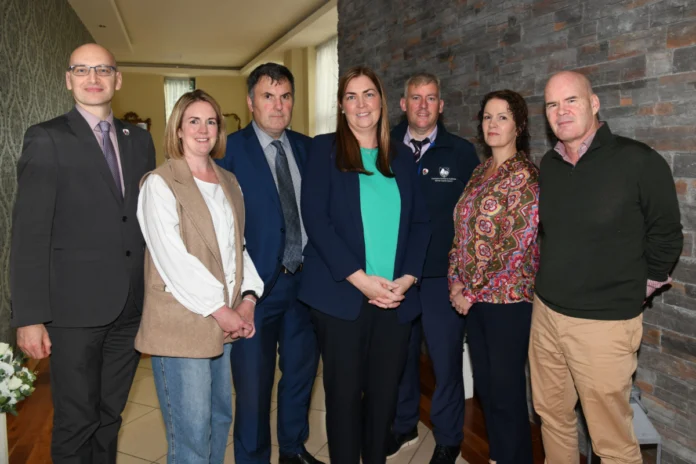
A new statutory body focused on improving community safety in County Galway held its first meeting at Áras an Chontae on Tuesday, marking the formal end of the Joint Policing Committee (JPC) model.

The Galway County Local Community Safety Partnership (LCSP) has been set up under the Policing, Security and Community Safety Act 2024 as part of a national shift towards wider and more inclusive planning.

Its members include up to 30 people from Galway County Council, An Garda Síochána, the HSE, Tusla and local organisations representing youth, social inclusion, education, business and community groups.

Over the next three years, the Partnership will draw up a safety plan for the county, coordinate new initiatives, engage with residents and feed into the work of the National Office for Community Safety.

The National Office will offer training and support and will oversee the Community Safety Fund, which uses proceeds of crime to back local projects.

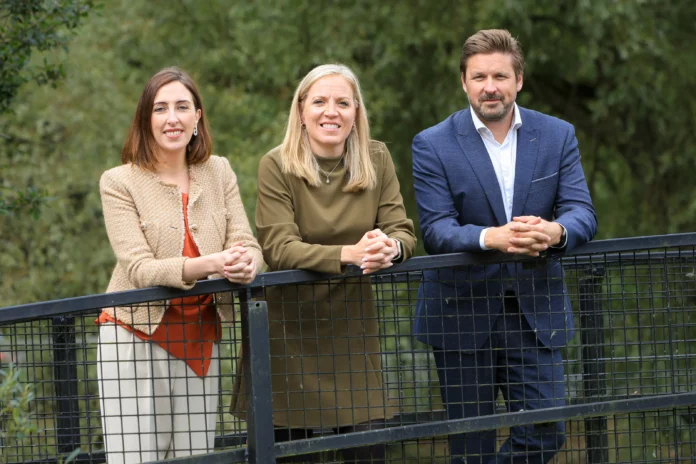
During the first meeting, Cllr Andrew Reddington was elected Chair for a three-year term, and Aodán McDonogh was chosen as Vice Chair.

Cllr Reddington commented, “Each area of County Galway has its own specific safety and community issues that no single organisation can solve alone.”

“Real progress depends on various agencies working together, from policing to local government and health services, as well as community groups.”

“We aim to unite these perspectives so local people can help guide how safety improves in County Galway.”

Vice Chairperson Aodán McDonogh emphasised that the Partnership strongly prioritises collaboration and places local voices at the heart of decision-making.

Membership from the community and voluntary sector was confirmed through a nomination process led by the Chief Executive of Galway County Council.

This was reviewed by the National Office and approved by Minister for Justice, Home Affairs and Migration Jim O’Callaghan TD.

Welcoming members to the first meeting of the LCSP, Chief Executive Liam Conneally said the Partnership replaces the Joint Policing Committee (JPC) model and represents a new approach to local community safety.

“The LCSP brings all the key agencies together to look at the safety issues affecting our communities and to agree practical actions to address them,” he said.

“It gives local people a stronger voice in identifying priorities and helps ensure that services work in a more joined-up way.”

“Galway County Council looks forward to working with other agencies in developing and overseeing a new Community Safety Plan for the county, focused on prevention, collaboration and improving quality of life for everyone who lives here.”

The Partnership will meet at least six times a year. One of the meetings will be open to the public, while another will be for elected representatives from the Oireachtas and Galway County Council.

It will also collaborate with neighbouring partnerships and existing local structures, including the Local Community Development Committee, Galway County Public Participation Network, and youth groups such as Comhairle na nÓg and the Children and Young People’s Services Committee. The LCSP will not address individual criminal investigations, State security matters, or confidential Garda operations.
The Digital Matching Engine: Automating Two and Three-Way Match

0
education ireland Galway Daily news two galway school introduce PE and Computer science subjects

Invoice automation succeeds or stalls based on the quality of procurement data. A digital matching engine compares what was ordered, what was received, and what was billed. When the inputs are consistent and the rules are explicit, invoices post without intervention; when they are not, exceptions surge and month-end turns messy. The aim of this guide is practical: outline the inputs a matching engine needs, the rules that govern two- and three-way match, and the controls that keep decisions fast, fair, and auditable.

Teams often invest in scanning or OCR and wonder why exceptions persist. The reason is simple: matching is a data and rules problem, not a document recognition problem. Getting the master data right – supplier records, item catalogs, price files, tax logic – and encoding risk-based tolerances turns an approval into an automatic, defensible posting. Once those foundations are in place, accounts payable software can route clean documents straight through while isolating genuinely risky exceptions for review.

Purpose, Scope, and Operating Boundaries

What the matching engine does (and does not do)

Two-way match confirms invoice lines against purchase order lines; three-way adds the receipt (or proof of service). In scope: purchase orders, receipts/GRNs, invoices, and credit memos. Out of scope for strict automation: time-and-materials services without defined milestones, pro-forma invoices, and complex drop-ship arrangements where receipt signaling is delayed or off-system. Success looks like higher touchless post rates, fewer repeat exceptions, strong price realization versus contract, and a clear audit trail for every rule decision.

Success criteria and guardrails

Define “done” upfront: target first-pass match, target touchless posting, acceptable cycle time (in hours, not days), and exception-recurrence thresholds. Add guardrails: segregation of duties for rule edits and vendor banking changes, versioned tolerance tables, and “no PO, no pay” alignment for categories that should always reference a PO.

Data Foundations and Normalization (the inputs that make matching deterministic)

Master-data essentials

  • A golden vendor master with alias suppression and periodic merges.
  • Contract-to-SKU mapping so price provenance is explicit on every PO line.
  • Catalog currency with unit of measure (UoM) and pack normalization to the ERP standard.
  • Tax codes derived from ship-to and item taxability; GL/cost center defaults driven by entity and category.
  • Service templates that turn acceptance criteria into a digital receipt equivalent.

Field-level readiness checks

Matching fails when required fields are missing or misaligned. Make the PR/PO stage carry the weight: mandatory supplier and site, GL/CC, payment terms, tax code, contract reference when applicable, correctly priced and normalized line items, and a needed-by date that drives delivery schedules.

Source-to-Match Field Mapping

Match field Primary source Normalization/derivation rule Owner Readiness check
Supplier ID Vendor master Alias → canonical; status = Active Procurement Ops Duplicate/merge report clean
Contract ref CLM / PO line Enforce valid version on line Legal + Category Version timestamp valid
SKU / Service ID Catalog / PO UoM/pack to ERP standard Master Data UoM conversion map OK
Price Catalog / Contract Price-break logic by qty Category Price file < 30 days
Tax code Tax engine Ship-to × item taxability Tax Jurisdiction matched
Receipt qty WMS/GRN Partial receipts per policy Warehouse Receipt within SLA

Two practical tips: assign a business owner for each field and keep a one-line “readiness check” beside the rule so auditors and new team members can see how compliance is verified.

Matching Logic, Tolerances, and Exception Handling

Risk-based tolerance models

Global, one-size-fits-all tolerances invite trouble. Set price and quantity tolerances by category and volatility (for example, tight on regulated lab supplies, wider on bulk packaging). Define header vs. line precedence, how freight and extras are handled, and, for services, what constitutes receipt (milestone completion, hours worked in an approved timesheet, or a signed acceptance log). Organizations that calibrate tolerances well tend to compress cycle time and lift throughput; industry studies show leading teams can process a PO-backed invoice in single-digit hours, while laggards take multiple days.

Exception taxonomy and routing

Keep the list short and actionable: price variance, quantity variance, no/incorrect PO, tax mismatch, duplicate invoice, and unrecognized supplier. Auto-classify exceptions and route each type to a small, accountable queue with SLAs. Track recurrence by root cause, not just volume, to drive fixes into catalogs, masters, and rules instead of one-off notes. Payments-risk data reinforces why exceptions deserve rigor: in its 2025 survey, the Association for Financial Professionals reported 79% of organizations encountered attempted or actual payments fraud, with business email compromise the top vector – evidence that bank-detail changes and supplier identity must be governed with dual control and call-back verification.

System Design and Integration (from ingestion to posting)

Event flow and interfaces

Pick a single intake: EDI/portal or structured PDF with anchors. Run every document through a validator before the matching engine, then either post to the ledger or hold with an exception code and context. Require supplier acknowledgments for POs to surface issues before invoicing. At the integration layer, enforce mutual TLS, per-integration service accounts, fine-grained scopes, and webhook/event signing. Use idempotency keys to prevent duplicate postings, and monitor retry storms or unusual geographies for early warning.

Controls and auditability

MFA and role-based access should extend across procurement and AP. Apply dual control for vendor creation and bank-detail changes, and keep those changes out of PR/PO flows entirely. Record immutable logs for tolerance edits, workflow changes, and supplier-master updates, including the rule version and approver identity used at decision time. These artifacts make audits faster and disputes shorter. The Report to the Nations by the ACFE estimates a median 5% of revenue lost to occupational fraud worldwide, a reminder that insider risk is real and must be designed out with segregation and evidence.

Measurement and Continuous Improvement

Core KPIs and target/trigger bands

  • Touchless post rate: percentage of invoices posted without human touch; target ≥ 70%, trigger review < 50%.
  • First-pass match: percentage matched on initial attempt; target ≥ 85%.
  • PO-backed invoice rate: percentage with valid PO references; target ≥ 95%.
  • Price realization: invoiced vs. contracted price on PO-backed lines; target ≥ 95%.
  • Exception recurrence: repeats within 30 days by root cause; trend down quarter over quarter.
  • Median match cycle time: measured in business hours, not days.

Review rhythm and change governance

Hold a monthly Procurement–AP review focused on the top recurring exceptions ranked by impact. Refresh catalogs and contract-to-SKU maps quarterly. Keep a public change log for tolerance edits and rule updates, with effective dates and business rationale. Publish a simple RACI so owners are obvious: Procurement Ops for intake forms and catalogs, Category for price files and contracts, AP for intake channel and banking controls, Tax for code derivation, Legal for clause packs on service POs.

A Local’s Guide to Working, Living, and Staying Inspired in Galway

0

A lot of professionals flock to Galway these days because of its undeniable charm. It has the perfect blend of being a cultural hub and having the atmosphere of a coastal town. This makes it ideal for people to establish a balanced lifestyle.

But even though Galway is an ideal place to stay to work, a lot of professionals in Galway still need to travel to the capital once in a while for meetings or structured workdays. They rely mostly on setups like serviced offices Dublin when they need somewhere they can work without compromising productivity and efficiency.

This blend of movement, flexibility, and creative rhythm clearly shows how the working lifestyle in the West of Ireland has evolved in recent years.

Galway as a Creative Base

Galway is widely recognized for its festivals, music, and commitment to the arts. This creative foundation has shaped its work culture. Regardless of whatever niche you are in, Galway is able to offer an environment where work blends naturally with cultural life.

Wherever you go in Galway, you will see people working on their laptops in cafés. Conversations turn seamlessly from work deadlines to when certain events in the city will take place.

This kind of seamless and peaceful interaction between work and leisure is what makes Galway very popular for remote workers.

The Workday Landscape in the West

Hybrid and remote work are now very common across Ireland, and Galway has also adapted to this shift. Plenty of professionals choose to work from home several days a week. These professionals want to take advantage of the quiet residential neighbourhoods in Galway.

There are also professionals who prefer co-working spaces so that they can focus more on their work. After all, working from home sometimes blurs the line between rest and work.

Since a lot of people in Galway are now working remotely, local businesses in Galway are benefiting since more people prefer to stay within the city instead of travelling outside it. With more people working in cafés and co-working spaces in the city, more businesses are also booming.

Another advantage of living and working in Galway is that it has transport links that make Dublin very accessible if ever there is a need to travel to the capital. With these two places just within reach of one another, locals and remote workers alike have found the perfect place to live and work in.

Staying Connected While Staying Grounded

One of the best things about Galway is its sense of community. This is something that can never be erased even if work these days is mostly digital. This is one of the main reasons why a lot of professionals would be more than happy to relocate to Galway.

Being in Galway will show people just how easily work and life balance can be achieved. After all, people can just easily go outside and enjoy the fresh ocean breeze if they need to de-stress after a long day of work.

There is no denying that nature’s healing powers are the best. And since Galway nurtures nature, it comes as no surprise that Galway feels as if it can heal just about anyone who has suffered from work burnout.

A Daily Balance Worth Keeping

Working and living in Galway opens the door to a lifestyle that’s shaped by nature, culture, and flexibility. Working feels sustainable, which means people get to build their careers without losing the sense of presence that only a place like Galway can give.

Because of Galway, it’s obvious that productivity and inspiration can coexist. With the right environment, the way that people create, connect, and grow becomes even more natural.

University of Galway partners with Ukraine to strengthen democracy and media education

0
galway daily news University of Galway signs partnership with government of Ukraine

University of Galway is to take a major international role in supporting the media ecosystem and democratic development in Ukraine with a new cooperation agreement with President Volodymyr Zelensky’s government.

The Memorandum of Cooperation was signed at a meeting in Dublin today, which was hosted by the First Lady of Ukraine Olena Volodymyrivna Zelenska.

The agreement between University of Galway and the Government of Ukraine sets out joint work on democracy, media and public communication as the country continues to defend itself from the Russian invasion and sustained Russian disinformation efforts aimed at weakening European democracy and public trust.

The agreement confirms the University as a partner in the Global Coalition of Ukrainian Studies, an international initiative coordinated by the Office of the President of Ukraine to strengthen academic cooperation and counter the effects of the ongoing war and the wider information threats facing Europe.

President of the University of Galway, Professor David Burn, and Associate Professor Tom Felle attended on behalf of the University.

The agreement establishes a structured programme of cooperation on media literacy, democratic resilience and the rule of law.

It reflects the University’s growing role in European debates on democracy and public communication and supports Ukraine as it continues to defend its sovereignty and progress towards European Union membership.

Professor Burn said, “Ukraine’s defence of democracy and European identity goes to the heart of our mission as a university for the public good. Galway has become a leading academic centre for work on media, democracy, digital governance and human rights, and our researchers influence policy discussions across Europe.”

“This Memorandum strengthens that work in partnership with Ukraine at a moment of sustained pressure on democratic institutions and the information environment. It sets out the kind of contribution a university of our scale and ambition should make in Europe today.”

Professor Felle added, “Democracy relies on informed citizens and a resilient media system. Ukraine’s journalists, educators and students continue to work under extreme conditions.”

“This agreement allows us to support them and to deepen academic cooperation while ensuring our own students engage directly with the realities of a country defending its freedoms.”

“Galway is committed to playing a constructive role in this partnership and to working with institutions that share a commitment to democratic principles.”

University of Galway currently hosts more than 50 Ukrainian students across a wide range of disciplines.

They include Vladyslav Piatin Ponomarenko, whose documentary ‘Imagine War, 75 Days of Survival in Mariupol’ won the Film Documentary of the Year award at the 2025 National Student Media Awards.

University of Galway is recognised internationally for its work on democracy, media and digital governance. Research at the University addresses disinformation, platform regulation, information integrity and the role of independent journalism in democratic life.

It also contributes to European policy discussions on the Digital Services Act and the European Media Freedom Act and is known internationally for rigorous teaching and research in journalism and global media.

The partnership includes future cooperation with leading institutions in Kyiv, including the Mohyla School of Journalism at the National University of Kyiv Mohyla Academy and the Faculty of Journalism at Taras Shevchenko National University of Kyiv.

Future planned activity includes joint teaching, guest lectures, shared research and opportunities for Ukrainian scholars and students to work with colleagues in Galway.

The agreement will also embed Ukrainian case studies and expertise across media and democracy teaching at the University.

Five Galway businesses participate in Cross-Border Trade Mission

0

Five innovative Galway-based companies, BeoBio, Heptagon Houses, IOT DigitalData, Megafab, and Red Belt, were among 20 innovative businesses from across Ireland that took part in InterTradeIreland’s two-day Cross-Border Trade Mission to Northern Ireland.

Running from November 25 – 27, the Trade Mission formed part of InterTradeIreland’s ‘Trade Missions @Home’ initiative – a programme designed to help businesses fast-track export opportunities and accelerate sales growth in the cross-border market.

Over the two days, the participating companies took part in pre-arranged sales meetings and networking sessions with potential buyers and partners in Northern Ireland, supported by InterTradeIreland’s trade experts.

Red Belt is a family run business which manufactures and repairs conveyors and agri belts for industrial and agricultural clients.

Declan Hamilton, Managing Director of Red Belt said, “We’ve been working in Northern Ireland for years with the quarry and industrial side of things, so this trade mission was the obvious next step for us.”

“We want to build on that and bring our agri belts and services to farmers and agri-machinery businesses across the whole island.”

Born out of a strong farming heritage and decades of manufacturing experience, Megafab designs practical, durable plastic products that help make everyday farm work simpler and more efficient.

Michael Egan, Managing Director of Megafab, said, “The Trade Mission gave us exposure to new markets and customers. It helped us get an understanding of problems farmers have in Northern Ireland, which may lead to a new product idea.”

Also participating in the mission were Heptagon Houses, a family-run business producing sustainable timber-framed greenhouses and outdoor structures, BeoBio Teoranta, a group of seaweed farmers, scientists and entrepreneurs developing agricultural products from hand harvested seaweed, and IOT DigitalData, which develops smart monitoring and software solutions that help farmers and food producers improve efficiency through real-time data.

Anne-Marie McAteer, Trade Manager at InterTradeIreland, said, “The Agri-Tech and Manufacturing sectors are vital for the all-island economy, with innovation and sustainability at their core.”

“Our ‘Trade Missions @Home’ initiative is designed to give businesses the platform, contacts and confidence to take their next steps into new markets. Cross-border trade and collaboration continues to be one of the most effective ways to scale and sustain growth.”

The ‘Trade Missions @Home’ initiative helps businesses build cross-border connections, access specialist mentoring and create new sales opportunities.

Galway’s participation reflects the innovation, expertise, and entrepreneurial drive powering the West’s Agri-Tech and Manufacturing sectors.

This Trade Mission was part of InterTradeIreland’s ongoing commitment to helping businesses across the island grow through cross-border trade, innovation, and collaboration.

InterTradeIreland has supported over 60,000 businesses and contributed to over €1.95bn in business development value to date.

State of the art trauma training for Galway RNLI volunteers

0

Volunteers at the Galway RNLI have been taking part in training exercises for dealing with severe trauma victims.

Twenty volunteer crew took part in the training exercise at the University of Galway Clinical Simulation and Interprofessional Education Facility at UHG last month.

The training exercise was based on a call out to an injured jet-skier on a remote beach and had been designed by the Irish Centre for Applied Patient Safety and Simulation (ICAPSS) staff to replicate a real-life situation which played out in real time.

Philip Parackal, Clinical Nurse Manager, CNM 3, ICAPSS said, “We have state-of-the-art simulation facilities here in Galway, which is an accredited centre and the recipient of an ASPIRE award.”

“We provide training and education for all levels of medical and clinical staff from students to experienced clinical teams.”

“We use full-body manikins which are programmed by our simulation technicians to show different physiological changes and address differing learning needs.”

“In the case of the exercise with the RNLI crew, we wanted to allow the crew to apply their casualty care training along with using the first aid equipment they carry on the lifeboat while adapting to the environment of the rescue”.

“In our scenario, we had a multi trauma male casualty who sustained injuries during a jet ski accident on the bay. The extensive injuries were simulated by our team using moulage, or SFX makeup.”

“The casualty’s condition deteriorated, and the simulation replicated a cardiac arrest which the crew had to treat actively. The injuries and how the patient would deteriorate was not shared with the crew in advance.”

“One of the benefits of the simulation centre is that all of the crew could observe the simulation on a big screen from another lecture room while four crew actively participated in the simulator.”

“This is a benefit in terms of observing and gaining valuable experience in areas such as communication, teamwork, situational awareness, treatment, use of the casualty care check cards and timely transport.”

Brian Niland, volunteer crew with Galway RNLI, took part in the simulation exercise, said, “The full-body manikin we treated was very realistic and was able to talk, bleed, had a pulse and all the human reactions you would expect.”

“When the casualty deteriorated, we were able to practise resuscitation techniques on the manikin, which was programmed to simulate the very specific conditions that casualties we rescue are exposed to, such as water and cold.”

“We also had to simulate transporting a casualty with a traumatic leg injury, head injury and who had been in cardiac arrest. All of our casualty care training and equipment was put into use.”

Nurse Olivia Byrne is also a volunteer RNLI crew member, and leads out on first aid exercises at the lifeboat station.

“The simulation exercise was part of ongoing engagement between the University of Galway’s School of Medicine, Nursing and Health Sciences and the RNLI crew.”

“The facility enables us to put our crew in a very realistic multi trauma scenario and practise skills such as assessment of the casualty through the use of check cards, communication skills and procedures for handover to the paramedic service.”

“As a crew we found the debrief following the simulation in particular to be very positive from Philip and his colleagues, and reiterates the wonderful facility the ICAPSS centre is and the role it plays in patient care and promoting patient safety.”

Best Vitauthority Daily Vitamins Most People Are Missing Out On

0

Last month, we heard from Emma, a busy mom and fitness enthusiast from California. She shared how she struggled with low energy, thinning hair, and stubborn joint aches despite eating a balanced diet. After introducing her to Vitauthority supplements, she noticed a remarkable difference: more energy, healthier hair, and overall vitality. It’s proof that even the most health-conscious adults often miss essential nutrients.

If you want a wellness routine that actually works in 2025, Vitauthority offers essential vitamins and supplements to boost the immune system and fill the nutritional gaps most people overlook. These supplements support collagen, gut health, immunity, metabolism, and brain function, so your body gets exactly what it needs.

Why Most People Are Missing Out on Daily Vitamins

Even with a healthy diet, many adults fall short on critical nutrients like Vitamin D, magnesium, collagen, and probiotics. Stress, busy lifestyles, and processed foods make it nearly impossible to get enough naturally. The result? Fatigue, slower recovery, weakened immunity, and premature aging.

Vitauthority supplements, bridges this gap by providing high-quality, clinically backed ingredients in convenient daily formats, no dozens of pills required.

Top Daily Vitamins You Shouldn’t Skip

1. Vita Multi Women’s & Men’s Multivitamins

Vita Multi is a comprehensive daily multivitamin formulated to support energy, immunity, and overall wellness. It contains essential vitamins and minerals like A, C, D3, E, K2, B-complex, zinc, selenium, and magnesium. Perfect for adults with busy schedules, it ensures your body gets the nutrients often missing from modern diets. Taking Vita Multi daily helps sustain energy levels, supports immune health, and fills nutritional gaps effortlessly.

2. Multi Collagen Peptides Protein+ Powder & Capsules

Multi Collagen Peptides combine bovine, marine, and chicken collagen with added protein to support skin, hair, nails, and joint health. Collagen production naturally declines with age, making supplementation essential. Available in powder and capsule form, it’s easy to mix into shakes, coffee, or water. Daily intake promotes muscle recovery, reduces joint discomfort, and contributes to stronger, more youthful skin.

3. Vitamin D3 Gummies

Vitamin D deficiency is common, especially for those spending most of the day indoors. Vitauthority’s Vitamin D3 Gummies help maintain bone strength, support immune function, and regulate mood. Convenient and delicious, they’re ideal for people who struggle to get enough sunlight. Daily supplementation can enhance energy, improve focus, and contribute to overall wellness, making this often-overlooked nutrient an easy addition to your routine.

4. Essential Probiotics

Gut health affects nearly every aspect of wellness, from digestion to immunity. Essential Probiotics deliver a powerful blend of beneficial bacteria to promote healthy digestion, nutrient absorption, and immune support. Regular use can reduce bloating, increase energy, and even improve skin health. By supporting a balanced gut microbiome, these probiotics help your body get the most from all your other daily vitamins.

5. Berberine (GlucoVantage® Dihydroberberine)

Berberine is a natural compound that supports blood sugar balance, cholesterol management, and metabolic function. Often missing in everyday routines, it is especially valuable for anyone looking to maintain healthy energy levels and metabolic efficiency. Daily supplementation helps regulate glucose, promotes cardiovascular health, and enhances overall vitality, making it an essential addition to a well-rounded supplement plan.

Add Vitauthority Daily Vitamins 

  • Start Small: Introduce one supplement at a time to monitor effects. 
  • Combine Wisely: Pair multivitamins with probiotics or collagen for maximum results. 
  • Track Progress: Note improvements in energy, mood, and skin health. 
  • Consult a Professional: Seek medical advice if you have chronic conditions. 
Real Life Transformations

1. Energy & Mood Recharged – Sarah, New York

Sarah was constantly fighting afternoon crashes and overwhelming fatigue. After adding Vita Multi and Vitamin D3 Gummies to her routine, her energy slowly stabilized. Within just a few weeks, she felt more focused, emotionally balanced, and productive. For the first time in months, she could get through her day without feeling drained—her confidence and motivation came back stronger than ever.

2. Joint Comfort & Youthful Glow – Emma, California

Emma struggled with joint stiffness, dull skin, and thinning hair, all while juggling a busy schedule. When she introduced Multi Collagen Peptides Powder into her daily routine, she noticed smoother joints, improved mobility, and visibly healthier hair. The collagen boost also brought back her skin’s natural glow, making her feel more youthful and vibrant every single day.


3. Calmer Digestion & All-Day Energy – Lisa, Chicago

Lisa dealt with bloating, sluggish digestion, and constant low energy. After she added Essential Probiotics and Berberine to her morning routine, everything changed. Her gut felt lighter, bloating reduced dramatically, and her energy levels lifted. She finally felt comfortable, confident, and in control of her wellness, something she hadn’t experienced in years.

4. Stronger Immunity & Better Sleep – Mia, Florida

Mia often felt run-down and struggled with restless nights. She started taking Vitamin D3 Gummies alongside Vita Multi, and the transformation was noticeable. Her immunity strengthened, seasonal colds became rare, and her sleep improved significantly. Waking up refreshed became her new normal, allowing her to stay consistent with workouts, work, and self-care.

Tips to Maximize Benefits

  • Take supplements consistently at the same time each day. 
  • Pair with a nutritious diet to enhance absorption. 
  • Stay hydrated to improve nutrient delivery. 
  • Choose high-quality brands like Vitauthority for purity and effectiveness.

Don’t Miss Out

Most adults miss essential nutrients their bodies need daily. Vitauthority supplements fill those gaps, supporting energy, immunity, gut health, skin, and metabolism. From multivitamins and collagen peptides to probiotics, Vitamin D3, and Berberine, there’s a solution for everyone. Start your daily routine today and feel the difference.

About Vitauthority


At Vitauthority, we’ve seen countless people struggle to find health and wellness products that actually work. That’s why we create science-backed, clinically studied supplements and skincare to help you feel your best every day. From hair growth capsules to collagen powders and metabolism support, our formulas are trusted by over 500,000 satisfied customers.

Experience the difference and shop our full range today at Vitauthority.com.

Galway man preparing to row 4,800km across the Atlantic – “I’m a guy who believes he can do this”

0

A Galway man with two years’ rowing experience is to take on the Atlantic Ocean in a mammoth fundraising challenge for two charities.

Daragh MacLoughlin flew to the Canary Islands on Sunday as the countdown begins for a 4,800km solo row to Antigua in the Caribbean.

Departing on December 12, the race will see the Clarinbridge man spend Christmas, the New Year, and much of January at sea.

And while the Galway businessman has invested a huge effort into the World’s Toughest Row, he is deeply conscious of the potential hazards.

“Once you’re in the middle of the ocean, you can’t ring a helicopter to pick you up,” said the father-of-two.

“You’re calling a Mayday, and you might be boarding a 300-metre tanker going to Angola, which is where you’re going, too.

“I’m not making that call. I’m a guy who believes he can do this.”

Daragh, one of the few solo rowers taking part in the challenge, says his motivation was to push the boundaries of life – but also to help charities which he believes do not get enough State support.

On his fundraising page, he wants to raise up to €10,000 for Debra, the national charity supporting those living with ‘Butterfly Skin’ disease EB, and for Irish Dogs for the Disabled.

“Thankfully, in our family, we have no-one afflicted by a life-altering condition.

“We support charities which are small enough to retain that fighting passion but big enough to make a difference.

“The ones fighting tooth and nail for their people are the ones that really deserve support.”

The 42-year-old, who is self-financing his participation, took up rowing just two years ago, setting his sights on the World’s Toughest Row as the ultimate personal challenge.

Being self-employed at his website building and management company webhero.ie, has allowed him the time to prepare – and he will need every ounce of the mental and physical strength banked so far.

Powering through seas which can turn dangerously hostile, he will row for around 18 hours a day, consuming 7,000 calories daily, mostly freeze-dried food including seeds and nuts, and sea water fit for drinking thanks to an onboard desalinator.

His Dutch-made boat, a seven-metre carbon fibre vessel weighing 400kg when fully loaded, is waiting for him in La Gomera.

“When you’re out there and your body hurts, you’re sleep deprived, your cabin is like a sauna, you have to be very mentally strong to put yourself in a position to row,” he said.

“You will be looking for every excuse to get out of it.

“Some people, when they find out you’re doing it, can be a bit negative and unimpressed, because of the risks involved.”

That’s why the unwavering support of his wife Suzanne and the couple’s two daughters Maeve and Saoirse, has carried him through.

“Over the course of the training, it becomes very clear what you got yourself into.

“There’s no way I want to be in the mid-Atlantic wondering why I hadn’t done more.”

Daragh asks the public to make donations, to be split between both charities, at: idonate.ie/fundraiser/thejasper

Alejandra Livschitz of Debra said Daragh’s “incredibly brave” challenge will be appreciated by everyone who lives with EB in Ireland, and the families caring for them.

Gardaí launch Christmas Road Safety Campaign

0

As the Christmas period approaches, An Garda Síochána and the Road Safety Authority are appealing to all road users to stay safe and never drive under the influence of alcohol or drugs.

To date this year, 166 people have lost their lives in road traffic collisions on Irish roads.

Over the Christmas and New Year period, there is an increase in the use of the roads for recreational purposes and the risk of fatal or serious injury road traffic collisions is increased.

An Garda Síochána is conducting a dedicated road traffic enforcement operation throughout the Christmas period, which began at 7:00am this morning, Monday 1st December 2025 and continues until 7:00am on Monday 5th January 2026.

Every member of An Garda Síochána on duty will be out conducting road traffic enforcement activity.

We will have an increased presence on the roads to detect drink and drug drivers and also to deter key risk behaviours such as speeding, mobile phone use and non-wearing of seat belts.

According to a new survey from the Road Safety Authority, 12% of drivers admitted to having driven after consuming alcohol in the past 12 months.

The survey found that the most common scenario for a driver to be on the road while potentially over the legal alcohol limit is after drinking in a pub/restaurant, or at home, and then driving on a rural road, with a slightly higher likelihood of this occurring over a weekend.

A smaller percentage of drivers (4%) admit to having driven after using illicit drugs over the past 12 months.

To date, An Garda Síochána has detected nearly 8,000 drivers this year under the Influence of drugs or alcohol, and carried out over 93,000 checkpoints.

Assistant Commissioner Catharina Gunne, Roads Policing and Community Engagement said, “We are appealing to all those that will be taking to the roads over the Christmas period to slow down, take extra care and to give your driving your full attention and never, ever drive after drinking alcohol or taking drugs.”

“Members of An Garda Síochána will be out day and night across the country as part of our enforcement campaign. We will intercept drink and drug drivers. If convicted, you will lose your licence. Please don’t be one of them.”

“166 people have lost their lives on our roads so far this year. No Garda wants to be calling to your family’s door this Christmas.”

Minister of State with responsibility for Road Safety, Seán Canney T.D., said, “I welcome An Garda Síochána’s plans over the busy Christmas period. Gardaí will be out in force testing drivers and can test for drink and drugs at the roadside.”

“My absolute priority as Minister for Road Safety is to see a reduction in the number of deaths on our roads. My message is simple: be safe this Christmas. Do not drive while intoxicated, do not speed, wear your seatbelt, and do not drive while distracted.”

“Do not put your life or the lives of others at risk. Don’t let friends or family drink and drive. If you plan to socialise – plan how you are to get home safely, and if you have been out the night before, think before you start the car.”

“Alcohol and drugs can remain in your system longer than you think. The consequences are real and tragically, can be fatal.”

Sam Waide, Chief Executive Officer, Road Safety Authority, said, “Christmas should be a time of joy, not loss. Our research has shown that over a third of drivers killed between 2016 and 2020 had a positive toxicology for alcohol.”

“These decisions leave empty seats at family tables, and communities devastated. I’m urging everyone: if you’re drinking or using drugs, don’t drive – ever.”

“Plan your journey, use alternative transport, and look out for one another. Together, we can prevent tragedy on our roads this Christmas.”

Greener Walls: Sustainable Decor Choices for Galway Homes

0

Galway homes carry stories in every room, which makes sustainable decorating feel both practical and personal. Low impact choices simply prioritise materials that grow back quickly, carry less embodied energy, and keep indoor air clean. Bamboo is a strong example, maturing in three to five years and storing significant carbon as it grows. Recycled aluminium is another, because producing it can use up to 95 percent less energy than creating new metal.

Local policy also supports repair first thinking. The Historic Structures Fund offers grants that typically cover half of eligible costs, with awards ranging from fifty thousand to two hundred thousand euro. The programme values reversible work and conservation, so the guidance aligns with a reuse approach that suits both style and carbon goals.

Materials that lift a room without weighing on the planet

Frames and finishes that respect indoor air

Art deserves safe surroundings, and so do the people living with it. Cotton rag or hemp matboards are pH neutral and biodegradable, which helps preserve prints while limiting chemical off gassing. Water based lacquers and low VOC clear coats keep the air fresher in small Galway flats and family homes where ventilation can be limited.

When comparing finishes, look for products labelled below 50 grams per litre of VOCs. That threshold is far lower than some conventional coatings that can reach several hundred grams per litre, and it offers a simple spec to share with suppliers. For a fresh look that complements low VOC choices in wall decor, explore trendy posters and prints, then pair them with water based finishes.

Quick upgrades that cut waste: A tired frame can become a centrepiece with a simple routine. Remove the glass, replace acidic paper matting with cotton rag or hemp, and back the piece with recycled content board. Sand lightly, then refinish timber with natural oils or water based coats to keep VOCs in check. Makers who prioritise reuse report dramatic waste reductions, with one workshop noting more than 75 percent of scraps diverted through cut off recovery and repurposing.

Refreshing art can be part of the same weekend project. Many households mix cherished originals with new pieces to balance personal taste and budget. A curated wall pairs well with a mix of new prints, especially when frames use recycled metal or reclaimed wood to lower the footprint. Swapping in archival matting protects the new additions and ties the whole display together.

Wood, metal and natural textures that last

Bamboo and cork bring warmth and tactility. Cork bark is harvested every nine to twelve years without harming the tree, which makes it a resilient choice for lightweight frames or wall panels, as documented in research on cork harvesting. Reclaimed timber can be refinished to highlight grain, then sealed with water based varnish to minimise emissions.
For a crisp modern look, recycled aluminium frames are widely available in slim profiles. Aim for at least 50 percent recycled content, and ask for clear documentation when you order. Protective glass with UV filtering helps preserve artworks, especially in bright rooms.

When to repair and when to replace: Some items deserve a second life, others need careful assessment. For engineered timber, recent research suggests selective reuse is often viable. After a single wet and dry cycle, about 70 percent of tested specimens remained above a 0.90 residual performance threshold, which supports inspection and testing instead of automatic disposal. Moisture checks and a quick visual review for warping or delamination can guide a repair plan, and reversible joinery allows future maintenance.

The same principle applies at room scale. If basic structure is sound, upgrade surface finishes and fittings first. Replacement should be a last step once repair or adaptation truly cannot meet safety or performance needs.

Local routes to source and repair

Galway residents do not need to start from scratch to go greener. Community programmes such as the Rediscovery Centre’s Relove initiatives highlight upcycling skills, repair methods, and ways to find reclaimed materials. Similar repair cafes and local reuse networks can help match a project idea with the right tools or specialist support, which keeps materials in circulation and budgets on track.

Funding and community help when projects grow: For conservation grade work or larger interior updates, Galway homeowners can explore grant support. The programme prioritises repair rather than replace and encourages reversible methods, which aligns with reuse of original joinery and reclaimed materials. Details on eligibility, typical 50 percent co funding, and current timelines are outlined in the Galway City Council’s Historic Structures Fund guidance, available through the official Galway City Council website.

Community initiatives also add practical help. Upcycling workshops, material exchanges, and event based repair services build the skills and confidence to tackle frames, furniture, and fittings without defaulting to new purchases.

A fresher look for Galway, one wall at a time

Thoughtful materials and a repair first mindset bring style and substance together. Rapid renewables like bamboo and cork, recycled metals with clear content percentages, and low VOC finishes provide measurable benefits without compromising design. Add local support for conservation projects and community reuse networks, and greener walls become a realistic plan for every street in Galway. The rooms feel renewed, and the footprint grows lighter with every choice.

Loughrea farmer’s winning approach to soil health

0

One Galway farmer has been honoured by Teagasc for his commitment to sustainability and soil health in agriculture.

Farming 125 hectares at Kilmurry, Tynagh, Loughrea, Conor O’Brien milks a herd of 144 high EBI Holstein cows and carries a dairy-beef enterprise in partnership with his father, Vincent, and mother, Mary.

Recently recognised as the ‘Improving Soil Health Category Winner’ of the Teagasc FBD Environmental Sustainability Awards, Conor’s journey into farming was greatly aided by the trust bestowed in him by his parents.

Elaborating on this, Conor explained, “My father gave me the opportunity at a youngish enough age to make my own decisions. He transferred one of the out blocks to me for my suckler enterprise, that was more a part-time hobby at the time.”

“It would have been easier for him to keep it himself, but he took the chance on me. If he and my mother didn’t give me the chance to learn and develop together with them, we wouldn’t be where we are today.”

From this beginning, Conor has seen the family’s farm grow, all the while focused on being technically efficient, profitable and environmentally sustainable.

Supplying Arrabawn Tipperary Co-op and guided by Signpost Programme Advisor Liam Quinn and local Teagasc advisor, Tom Murphy, cows on the farm are on track to produce 470kg of milk solids each year, carried at a stocking rate of 2.4LU/ha.

Grass utilisation reached 8.7 tonnes DM/ha in 2024, while herd genetics continue to improve, with an EBI of €251 and Dairy Beef Index (DBI) of €74, supporting profitability and a carbon footprint of 0.9 kg CO₂eq per kg FPCM.

Nutrient management is central. In 2024, 132 kg N/ha was applied, 66% as protected urea. All slurry is spread with low-emission slurry spreading (LESS), and nutrient management planning informs applications.

Soil fertility has improved as a result, 34% of soils are now optimum, up from 26%, while AgNav records a nitrogen surplus of 125kg N/ha.

Conor engages actively in sustainability programmes. As a Waters EIP participant, he has installed fencing, solar pumps, rainwater management and planted 135 metres of hedgerow.

As a Signpost Demonstration Farmer, he increased protected urea use to 66%, boosted clover to 37% of the milking platform, and grows 14 acres of red clover silage.

Future plans include a new slatted shed, solar panels, and continued genetic progress, highlighted by three bulls sold to AI stations with EBIs of €343 to €358.

Free Galway County Council Webinar on Affordable Housing Scheme

0
Galway Daily news Homelessness in Galway spiked in late 2023

Galway County Council is hosting a free public webinar at 1pm and 7pm on Thursday December 4, to explain how the Affordable Housing Purchase Scheme works.

It follows a Council survey earlier this year in which almost a third of respondents said they were not familiar with the scheme. The survey highlighted the need for clearer information about the support available to households seeking to buy a home.

The webinar will set out how the scheme works, who can apply, what documentation is required, how prices are set and how the Help to Buy Scheme run by Revenue can support first-time buyers.

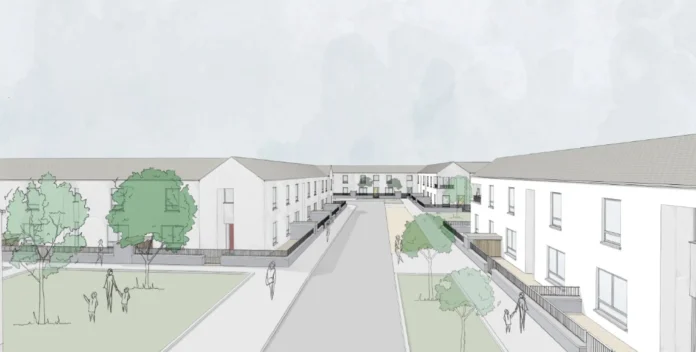
The information session comes as Galway County Council continues to assess new sites for affordable housing in towns across the county.

Seventeen homes have been completed at Garraí na Gaoithe, Baile Chláir, with a further 16 due by the end of 2025 and 28 scheduled for Quarter 1, 2026.

Construction is advancing on 66 homes at Droim na Gaoithe, Baile Chláir, while 44 homes are planned for Raheen and Páirc na hAbhainn, Athenry.

Both projects are expected to be delivered between 2026 and early 2027. The Council is also exploring additional opportunities on its own lands and through Part V.

Surveys carried out in September and October indicate strong demand for affordable homes. Further targeted surveys are planned to assess demand across the county.

Registration for the webinar is available at www.tinyurl.com/galwaywebinar.

Exploring the Burren’s and the Aran Islands with Eoin Warner

0

Through a wonderful wild year, Eoin Warner explores the magical otherworld of the Burren, camping, diving and trekking to its most secret corners while seeking out the wild animals that call its land and waters home.

Ireland is renowned worldwide for its lush green landscapes and wild Atlantic coast, but one of its greatest natural treasures is a desert of grey stone, home to some of Ireland’s most enchanting wildlife.

Elusive Pine Martens find sanctuary in its hazel woods, while magnificent birds-of-prey roost in the ruins of Medieval Abbeys, and just offshore, an extraordinary mass gathering of Basking Sharks may be observed, with the rarely seen courtship displays of these gentle giants.

Join presenter Eoin Warner as he takes us on a magical journey through the wildest corners of the Burren.

Oileán Glas, Fásach Bán, is a year-long exploration of the Burren with naturalist Eoin camping rough and trekking its stony hills to uncover the region’s hidden wild worlds. Along the way, Eoin finds the tombs of the very first settlers who cleared the ancient forests and created the Burren as we know it today.

The series shines a vital spotlight on one of Ireland’s most important natural regions, home to an astonishing variety of plants and animals, some of which are found nowhere else on the island.

Farmers here still practise the ancient cattle moving patterns of Booleying, which keeps hazel woods at bay, allowing wild meadows and open grasslands to thrive.

The Burren is home to some of the most iconic archaeological landmarks in the country, including Poulnabrone Dolmen.

Also featured are the Aran Islands, which are a geological extension of the Burren, and Inis Mór hosts the ruins of Dún Aonghasa, one of the most recognisable promontory forts in Western Europe.

Presenter Eoin Warner tells us that for him, “The Burren is one of the most magical places on the planet and it was an absolute privilege to spend so much time filming there.”

“For this series, we were seeking out the Burren’s most elusive wild creatures in some of its least visited corners, and it was such a treat to explore those places. “

Director and cameraman John Murray says, “Capturing the magic and mood of the Burren properly is all down to time, and in this frenetic world, what a pleasure it was to sit in the region’s wildest corners and wait for wild animals or wonderful light to make an appearance.”

“On wet and windy days, the Burren has its own special atmosphere. But in the early mornings or late evenings, when the low sun is picking out the details on the rocky landscape, there is nowhere on Earth I’d rather be.”

Oileán Glas, Fásach Bán will air on TG4 on December 3 & 10 at 9.30pm. The series is produced by Crossing the Line Productions.

€634,922 in CLÁR funding for Galway sports and community facilities

0
Galway Daily news Galway allocated €9 million for LEADER programme 2023-2027

Funding of €634,922 has been approved for upgrades and maintenance of community and sports facilities across Galway.

Minister for Rural and Community Development and the Gaeltacht, Dara Calleary, has confirmed funding for 10 projects under the CLÁR programme in Galway.

Cllr David Collins, Cathaoirleach of the County of Galway, praised the community groups and organisations for their dedication to finding new ways to improve their local areas.

He added, “Their commitment is reflected in the thought and care put into their project ideas and in their efforts to raise the match funding needed to bring these projects to life.”

“I also wish to acknowledge the staff of the Council’s Rural, Community and Tourism Development department for working with the community groups in preparing the funding applications.”

Galway County Council Chief Executive Liam Conneally said CLÁR is a vitally important scheme for rural counties like Galway, where small-scale infrastructural projects can bring new life to local communities.

“This year’s funding provides a strong return for the county, he said, supporting community groups and sporting clubs right across Galway.”

“The Council is committed to working with all funding recipients to ensure their projects are delivered successfully and make a real difference for their communities.”

The largest award of €100,000 went to Portumna Chamber of Commerce and Galway County Council for a County Pilot initiative featuring facilities for persons with additional needs and a Changing Places Toilet.

Seven other projects each received €65,000, including upgrades to the community pitch and facilities at Lawrencetown Community Development, an outdoor gym and parking facilities at Killimordaly GAA Club, Astro and MUGA developments at Kiltartan National School and Glenamaddy.

An extended walkway and accessible parking will be built at St Thomas GAA, and accessibility enhancements and carpark works at Meelick Eyrecourt GAA and Skehana Community Development have also been funded.

Abbeyknockmoy Hurling Club received €54,900 for parking improvements and Pairc Spraoi Iorras Aithneach Cill Cháirain was awarded €25,022 for the development of a playground sensory area.

Nationally, the Government is investing €12.3 million to support the development of sports and outdoor facilities, including playgrounds, running tracks, astro turf pitches and spectator stands, as well as community buildings.

€115,000 worth of cannabis seized, one man arrested in Friday raid

0
Galway Daily news missing teen found safe

One man was arrested in connection with the seizure of cannabis valued at €115,000 in Co. Clare on Friday.

Gardaí from the Clare Divisional Drugs Unit have conducted an intelligence-led operation targeting the sale and supply of drugs in Co. Clare yesterday.

A property in the east of Clare was searched by Gardaí, during which 5kg of cannabis with an estimated value of €100,000 was found.

Following a further search of a second property in east Clare, a quantity of suspected cannabis with an estimated value of €15,00 was seized.

A man, aged in his 30s, was arrested and is currently detained under Section 2 of the Criminal Justice (Drug Trafficking) Act 1996 at a Garda Station in Co. Clare.

The seized drugs will be sent to Forensic Science Ireland for analysis. Gardaí have said that investigations are ongoing.

TORANN Metal & Punk Festival Announced for Galway This January

0

A brand new metal and punk festival has been announced for Galway for three days next January.

TORANN brings together the raw power of punk and the relentless force of metal for a weekend-long onslaught of riffs, noise and pure DIY spirit, presented by Strange Brew.

January 9th-11th 2026, Galway (various locations, including Róisín Dubh)

From the beating heart of Galway’s underground to national heavy-hitters and international wrecking crews, TORANN celebrates the scene that thrives in bars and backrooms – now spilling across the city.

The inaugural festival weekend will see legendary metal band PRIMORDIAL headline on Saturday, January 10, joined by Death The Leveller and Genuflection at the Róisín Dubh.

Primordial is an Irish extreme metal band formed in 1987 in Skerries, County Dublin.
Known for blending black metal with Celtic and folk influences.

Their music is marked by epic song structures, emotional intensity, and themes drawn from Irish history, mythology, and identity. Led by frontman A.A. Nemtheanga (Alan Averill) and
guitarist Ciáran MacUiliam.

Primordial gained international acclaim with albums like Spirit the Earth Aflame (2000), The Gathering Wilderness (2005), and To The Nameless Dead (2007).

The band’s sound is both raw and poetic, often exploring loss, nationalism, and existential struggle—earning them a reputation as one of the most passionate and distinctive voices in the metal world.

Death The Leveller is a doom metal band from Dublin, Ireland, formed in 2016 by former members of the cult Irish metal act Mael Mórdha.

Their music combines crushing, melodic doom with touches of death and gothic metal, creating a dark, atmospheric sound driven by themes of mortality, fate, and the human condition.

Fronted by Gabriel Gaba, the band is known for powerful, emotive vocals and expansive, cinematic compositions that balance heaviness with haunting melody.

With releases like their self-titled EP (2017) and debut album II (2021), Death The Leveller have carved out a strong reputation in the international doom scene for their emotional depth and dramatic, sorrowful sound.

Genuflection is a crushing doom, sludge, and death-doom metal band from Galway, formed in 2018.

They are known for their heavy, oppressive sound and released a self-titled 12″ EP titled Veil in 2020.

Tickets are from €28 and are on sale now. Further line-up announcements will be made in due course.

Expect unrelenting shows across Róisín Dubh, The Loft and Sally Longs this January at TORANN, as Strange Brew unleashes a lineup built for chaos, catharsis and community.

This is more than a festival – it’s a rallying cry for noise, for sweat, for togetherness.

TORANN is Loud. Local. Global.

Bring earplugs.

Handel’s Messiah at St. Nicholas’ Collegiate Church this December

0

On December 14 at 7.30pm, St. Nicholas’ Collegiate Church will reverberate with the glorious sounds of Handel’s Messiah.

Presented by Music for Galway in association with Resurgam and directed by Mark Duley, Galway Messiah is a new approach to presenting Handel’s seasonal oratorio, born right here in Galway.

It has been 10 years since the Messiah was performed in the wonderful space that is St. Nicholas’ Collegiate Church and, with kind sponsorship by Lifes2Good Foundation, both Music for Galway and Resurgam are delighted to be able to bring Messiah back.

Speaking about the performance, Mark Duley, Artistic Director of Resurgam, said, “I look forward to directing over 150 singers and musicians in this truly cross-community production of Handel’s Messiah, including Galway’s Resurgam and soloists, chamber choir Collegium and baroque instrumental ensemble Vespera.”

“Providing an opportunity also for Galway’s rich heritage of amateur singers to share the stage with this stellar line-up of professionals, St. Nicholas’ Singers and a children’s choir drawn from the community throughout Galway will bring this uniquely Galway performance to life.”

Speaking about the importance of Galway Messiah in their 44th International Concert Season, BREATHE, Music for Galway’s CEO Anna Lardi said, “Galway Messiah is one of the indisputable highlights of Music for Galway’s 44th International Concert Season, BREATHE, which focuses on the voice.”

“We are thrilled to present this project as it really fits into so many aspects of our work. Working with Resurgam and Mark Duley guarantees that artistically, this production will be top notch.”

“At the same time, we can offer many in the community the rewarding experience of participating in the performance. The local aspect also feeds into our sustainability strategy as it allows us to minimise flying in soloists and musicians.”

Premium tickets (limited) are €40 with a concession for those over 66 at €36; Standard tickets are priced at €30, with a concession at €27.

Solidarity tickets (children, full-time students, recipients of job seeker, disability and carers’ allowance, people seeking refugee status) are available at €15.

Tickets can be purchased online at www.musicforgalway.ie or by phone 091 705962.

COPE Galway helped over 3,000 people in 2024 with domestic abuse, homelessness, and more

0
Galway Daily news COPE Galway extremely worried at record homelessness levels

COPE Galway supported more than 3,000 people experiencing homelessness, domestic abuse, isolation, and more last year.

COPE published its annual report for 2024 this week, highlighting an increased demand for services last year.

The charity supported a total of 3,184 people through a wide range of issues such as:

  • 1,010 older people supported through community activities and social supports, including Meals4Health, a social enterprise of COPE Galway, who produced and delivered 98,954 meals.
  • 837 women and children who are subjected to domestic abuse – supported with safe refuge, 1,519 outreach appointments, and other professional supports, such as 214 court accompaniments.
  • 1,337 people who are experiencing homelessness – including 164 families with 351 children and 748 single adults – supported with specific emergency, community-based and family responses.

Commenting on the report, CEO Michael Smyth noted, “Many people in our community are experiencing significant challenges in their lives. Our teams are doing extraordinary work to keep people safe and help rebuild lives. Our staff are operating in increasingly difficult contexts, responding to complex needs.”

“At times in 2024, it felt like we were ‘running to stand still’, yet our staff stayed proactive and adaptable, finding creative ways to support people and ease the hopelessness and uncertainty too many faced in their lives.”

Child and youth-focused preventative supports

COPE Galway continued to strengthen child and youth focused preventative supports during 2024.

Solas Óg – the organisation’s therapeutic support service for children and young people affected by domestic abuse – strengthened the self-esteem, resilience and mental health of their clients through 618 private one-to-one sessions last year.

COPE Galway’s Helping Kids First Programme addressed the serious impact of homelessness on children and their parents by supporting the physical, emotional, social and educational development needs of children living in emergency accommodation, working with an average of 120 families at any one time.

Acknowledging the wider cost-of-living pressures, Mr Smyth continued, “We see the devastating impact of poverty and isolation every day. More than ever before, our teams are meeting essential needs, from providing food and clothing to laundry access, alongside crisis support.”

“In 2024, we supported 2,227 people most at risk of food poverty. When it comes to a parent having to choose between buying their child a warm winter coat or a week’s groceries, we do everything we can to make sure the family’s needs are met.”

Transformative supports

COPE Galway also focused on small but transformative supports that counter isolation and trauma.

Mr Smyth noted that the report highlights simple but creative ways the organisation tailored support to clients’ individual and evolving needs.

Throughout the year, they worked closely with clients to design small initiatives that made a meaningful difference, including:

  • Creating sensory-friendly spaces within the domestic abuse service.
  • Supporting clients living in emergency and temporary accommodations to enhance their gardens, building pride and enjoyment for residents.
  • Developing calm spaces where clients could take a break from crisis and feel grounded.
  • Early interventions for older people.

COPE Galway also supported older people through a range of early-stage interventions focused on physical activity, social connection, and developing new skills. In 2024:

284 older people took part in community activities such as lunch clubs, coffee mornings, technology workshops, and enjoyed Zumba and other classes at The Bungalow in Mervue.

Sonas Social Centre continued to welcome people who depend on daily drop-ins for connection and support.

Senior Support Service carried out 216 home-befriending visits, with trained volunteers offering companionship and helping older people remain living independently at home.

The report also reveals exceptional volunteer engagement in 2024, with 164 new volunteers recruited, making up a total of 253 volunteers in over 30 roles.

Reflecting on the organisation’s work during a challenging year, Mr Smyth said, “I want to thank our almost 200 dedicated professionals, who meet and connect with each person without judgement, tailoring supports to their unique circumstances.” I also want to pay tribute to the courage and resilience of the people we worked with in 2024, some of whose stories are generously shared in this report.”

“For 60 years, COPE Galway has held on to the hope of the people who turn to us, walking alongside them and supporting them at their most difficult moments,” he said.

“Going forward, we remain determined to meet the challenges ahead, grounded in the support and strengths of our staff, volunteers, supporters and community, who remain at the heart of our ability to respond.”

“As we continue shaping our services around lived experience and aspirations, we are ready for the road ahead. We invite you to learn more in our 2024 Annual Report.”

Tuam Herald to be sold to Celtic Media Group

0
Galway daily news Galway business man signs deal for Sunday Business Post NEWSPAPER

One of the country’s most established newspapers, The Tuam Herald, is to change ownership.

The Directors of The Herald Printing & Publishing Co. have announced the proposed sale of the newspaper title and related assets to Celtic Media Group.

The proposed sale of The Tuam Herald, founded in 1837, is contingent on approval from the competition authorities and the Minister for Culture, Communications and Sport.

Colleagues working in the title were briefed by the Directors, David Burke and Mary Burke earlier today on the decision to transfer ownership to Celtic Media Group (CMG).

David Burke, Managing Director of The Tuam Herald said that CMG, with six established brands and over 400,000 social media followers, has the scale and digital expertise to secure and grow the title.

CMG have been business service partners to The Tuam Herald for over a decade, providing graphic design, digital and management consultancy.

All 12 staff will transfer to CMG, once the proposed sale is approved. The Dublin Road, Tuam, office premises are not part of the transaction and the sale price has not been disclosed. Publishing continues as normal.

Mr Burke said he and his fellow director “wished to exit the business, having gone far beyond normal retirement age”.

“Our family has had a very proud stewardship of The Tuam Herald, with three generations of the Burke family responsible for managing the title for almost a century and I was very proud to have taken on the baton from my father, Jarlath,” he said.

“The time has now come to hand over to a company which can best position the title for the challenges and opportunities to come.”

Frank Mulrennan, CEO of Celtic Media Group, said: “We have been business partners of The Tuam Herald for many years and know and respect the quality of the brand and its readership loyalty in Galway.

“We look forward to working with editor, Siobhán Holliman, and the team, once this transaction is completed, early in the New Year.”

Celtic Media Group (CMNL Limited) was formed in 2012 from a management buy-out, led by its CEO, Frank Mulrennan.

The group employs 72 colleagues and publishes such local titles as Meath Chronicle, The Anglo Celt, Westmeath Examiner, Westmeath Independent, Offaly Independent and The Connaught Telegraph.

CMG operates a graphic design and digital hub in Mullingar providing publishing services to its own titles and a range of peer local titles and commercial outlets, including The Tuam Herald.

How James Bond Helped Make Baccarat a Cultural Icon

0

crisp tuxedo leaning back in his chair, you can almost sense the tension in the room. For James Bond, this setting became more than a backdrop, it became part of his identity. And quietly, almost without pushing, he helped turn the card game Baccarat into a cultural symbol recognised far beyond casino walls.

A fitting match between Bond and the game of baccarat

The story begins with Bond’s first outing in Casino Royale. Author Ian Fleming didn’t simply pick a game for atmosphere; he chose one that reflected Bond himself. Baccarat carried elegance, risk, a little mystery, and none of the rowdiness associated with other tables. In that first book, the duel between Bond and villain Le Chiffre centres on baccarat, not fists or gadgets. The game becomes tension, psychology and storytelling.

When the films appeared, that connection grew stronger. Bond gliding into a casino, loosening his cuffs, sitting at the baccarat table with unbothered confidence. It helped define a visual language of cool restraint. The game didn’t just exist, it starred.

How baccarat’s personality was shaped through storytelling

Baccarat wasn’t always a household name. Its roots stretch back to Italy and France, into the salons of European high society. It was refined, but it wasn’t mainstream. Fleming’s choice reshaped its image. He drew from a game that already carried prestige and placed it in the hands of a character who amplified it.

Movies then reinforced that idea. Baccarat became shorthand for sophistication and subtle danger. Travel writers, lifestyle features and cultural commentators followed suit, often featuring the game as part of the glamorous casino universe people imagined from Bond’s world. Outside the novels and films, baccarat built a reputation as something stylish rather than merely lucky.

Baccarat’s rise through cultural recognition

With Bond as its unofficial ambassador, baccarat stepped into pop culture with ease. It popped up in more films, more photographs, more discussions around elegance and high-stakes tension. People who had never touched the game could recognise its look and feel. The table, the chips, the poised dealer; they all carried echoes of Bond’s presence.

This shift mattered. It changed baccarat from a niche choice into a signifier, something linked to intelligent risk-taking, confidence and quiet style. Even casual observers began to associate it with travel, luxury and a specific kind of composure. That’s part of the magic: the game stopped being purely about odds and cards, and started being about identity.

A new chapter as baccarat moves into the online world

Only after this long cultural build up did baccarat’s digital life begin. When online casinos arrived, many classic games struggled to keep their atmosphere through screens, but baccarat had something others lacked: a cinematic identity. Players already linked it to style and emotional control, so when live casino versions appeared, the game slipped into its new environment effortlessly.

Now you’ll find variants everywhere; Lightning Baccarat, Magic Baccarat, Mega Baccarat, Live-dealer tables with velvet tones and slow dealing meant to mimic the elegance seen in films. These versions reflect how baccarat’s image (luxury, suspense, strategy) carries forward in new formats. The online phenomenon simply gives the game new venues, but its roots remain in that tux-and-table moment.

Why the Bond connection still resonates today

James Bond didn’t make baccarat famous by explaining it, he made it memorable by embodying it. The calm stare, the strategic silence, the smooth gesture of placing chips on the felt—these moments turned the game into a symbol of composure and sharp perception.

This image still colours how people see baccarat today. Whether you scroll through an online casino lobby or watch a movie referencing old-school glamour, you meet a game shaped by decades of storytelling. The rules haven’t changed much, but the way you feel about the game has. Baccarat didn’t become iconic because of its mechanism, it became iconic because of the way it made people see themselves.

Most Popular

Fibre Broadband now available for over 30,000 Galway homes

0
More than 30,000 homes in Galway are now able to connect to fibre broadband, according to the NBI, with 11,000 homes already hooked up. 41,000...

Latest

Galway daily news

Empathy education introduced for Transition Year students

0
A special programme for empathy education developed at University of Galway is to be expanded into Transition Year (TY) in secondary schools nationwide. Activating Social...