Home Blog Page 5

Warning that Irish businesses risk wasted AI spend without clear strategy foundations

0

Galway-based digital and creative agency Simpl has said that many Irish businesses are investing in artificial intelligence before establishing the strategic and brand foundations needed to deliver meaningful commercial return from AI.

The repositioned agency is focusing on helping SMEs, startups, and scaling organisations simplify how they operate, communicate and grow before introducing automation, AI and other advanced digital tools.

According to Simpl, the current wave of AI adoption in Ireland is being driven by urgency rather than clarity, with many businesses implementing tools before defining core elements such as brand positioning, messaging frameworks and customer journeys.

The agency says this is leading to increased complexity, fragmented digital presence and weaker return on investment, despite rising technology spend.

Rather than adding more tools or platforms, Simpl focuses on removing friction within existing systems so businesses can scale with greater speed, consistency and confidence.

The company, formerly known as Rob&Paul, says the rebrand reflects more than a visual update, marking over a decade of experience navigating digital transformation and supporting clients through major shifts in technology and communication.

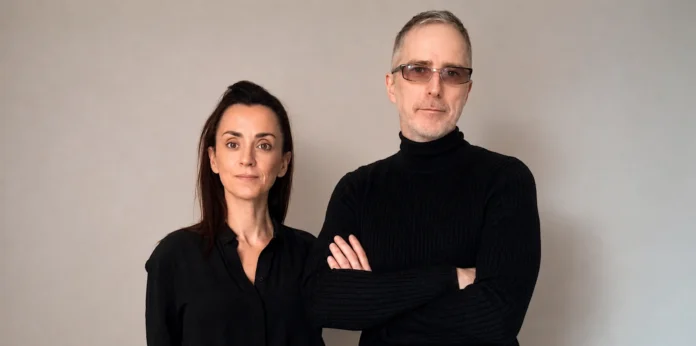
“Businesses do not need more complexity,” explained Rob of Simpl. “They need clarity. Clarity that helps teams move faster, make smarter decisions and scale without confusion getting in the way. That is where we come in: simplifying the how-to, so businesses can focus on growth.”

“AI is being treated as a shortcut to growth, but in reality, it amplifies whatever already exists,” he added. “If the foundations are unclear, the output becomes more complex, not more effective.”

The relaunch marks a strategic shift for Simpl away from traditional digital agency services towards a commercially focused model built around clarity, simplification and scalable systems.

At the centre of the new offering is a “simplify to scale” methodology designed to help businesses reduce internal friction, align teams and strengthen customer-facing communication before investing in automation or AI-driven solutions.

Simpl works with organisations across Ireland that are growing quickly and trying to keep everything aligned as they expand.

As companies continue to invest heavily in digital transformation and AI adoption, Simpl argues that long-term competitive advantage will increasingly come from simplicity rather than the accumulation of tools.

Galway artist receives Arts Council traditional music publication award

0

Galway artist Nollaig Casey has been chosen as one of the latest recipients of Arts Council’s annual Deis Recording and Publication Award.

Nollaig Casey is one of fifteen successful applicants to receive up to €10,000 for a traditional arts recording project.

The Deis Recording and Publication Award supports standalone traditional arts recording projects, as well as collaborative recording projects between the traditional arts and other artforms.

These recording projects are vital to the preservation and transmission of traditional oral artforms, which often face unique archival challenges and can struggle to reach general audiences.

Nollaig Casey is one of Ireland’s most acclaimed fiddle players, with an international reputation for excellence in traditional music performance and composition.

With her late husband, the renowned guitarist Arty McGlynn, she recorded critically-acclaimed albums ‘Lead The Knave’ (winner of the Belfast Telegraph Arts and Entertainment Award 1992) and ‘Causeway’.

Versed in traditional and classical performance styles, she has played on over a hundred recordings, performed and recorded with Planxty, Van Morrison, Liam O’Flynn, Dónal Lunny, among others, and was featured soloist in films such as ‘Waking Ned’ and ‘Dancing at Lunasa’.

Composition commissions include those for Music Network (2024) and (with her sisters) for Cork Folk Festival (2018). She was ‘Traditional Artist in Residence’ at UCC (2021).

She plays with ‘Cherish the Ladies’, and her sisters Máire and Mairéad Ní Chathasaigh (‘The Casey Sisters). TG4’s Sé Mo Laoch, featuring Nollaig and her sister Máire’s life in music, aired in 2020.

The Deis Recording and Publication Award also prioritises projects which centre on the publication of work such as tutors, tune collections and critical writing.

This further benefits the traditional arts community by expanding the resources available to artists of all levels.

Health services encourage public to know their options ahead of Bank Holiday weekend

0
Galway Daily news People in Galway urged to know their healthcare options for Bank Holiday

Health services in Galway and Roscommon are encouraging the public to familiarise themselves with all available care options ahead of the June Bank Holiday weekend.

People who need medical care this weekend are asked to choose the most suitable service for their needs before going to an Emergency Department (ED).

Health services typically come under increased strain during bank holiday weekends, especially when good weather encourages more outdoor activity.

This may lead to longer waiting times, particularly for less urgent conditions. The HSE is appealing to the public for patience and understanding during this particularly busy period.

To help ensure that emergency care is prioritised for those who need it most, people are encouraged to think ahead and consider alternatives such as GPs, out-of-hours services, pharmacies and Injury Units where appropriate.

As many people will be spending more time outdoors, the HSE also reminds everyone to take care in the sun by drinking plenty of water, wearing sunscreen, and limiting time in direct sunlight during peak hours.

By making informed choices about where to seek care and taking simple precautions to stay safe, the public can help ease pressure on health services over the weekend.

Ann Cosgrove, HSE Integrated Healthcare Area Manager, Galway and Roscommon said, “Our focus this bank holiday weekend is on ensuring patients get the care they need, in the most appropriate setting, and as quickly as possible.

“Although additional measures are in place across both hospital and community services to manage the expected increase in demand, we are asking people to think about all available care options before attending an Emergency Department.”

“For many non-urgent conditions, local GPs, pharmacies and Roscommon Injury Unit can offer prompt advice and treatment.”

“Through the Common Conditions Service, community pharmacies are also equipped to manage a range of minor illnesses, helping patients receive care close to home and ensuring Emergency Departments are reserved for those in urgent or critical need.”

“Our staff are here to support patients at all times. Everyone who presents to an Emergency Department will be assessed and treated, with priority given to those with the most serious or life-threatening conditions.”

“We wish everyone a safe and healthy June Bank Holiday weekend and remember to be SunSmart.”

Care options available this June Bank Holiday weekend include:

GP Out-of-Hours Service (Westdoc):
If you urgently need to see a GP over the bank holiday weekend, you should contact your local out-of-hours GP service, Westdoc. The service operates across the weekend, appointments must be made in advance. GP Out of Hours information is available on the HSE website here.

Your local pharmacy:
Community pharmacists provide expert advice and over-the-counter treatments for a wide range of minor illnesses. In addition to this expert advice, a new service is available which allows pharmacists to supply prescription-only medication without the need to see a GP.

The following common conditions can be treated under the Common Conditions Service; allergic rhinitis, cold sores, conjunctivitis, impetigo, oral thrush, shingles, cystitis (uncomplicated urinary tract infection), vaginal thrush. Information about the scheme is available on the HSE website here.

Injury Units – Roscommon Injury Unit:
Roscommon Injury Unit is open from 8am to 8pm, seven days a week, including bank holidays. It treats non-life-threatening injuries such as broken bones, dislocations, sprains, wounds, scalds and minor burns.

The unit provides services such as X-rays, plaster casts, and wound care. No appointment is required; patients can attend directly. You can find your local injury unit here.

Mental health supports
Information about when to get help, organisations that provide mental health services and types of specialist services are available here.

As always if you or someone else is seriously ill or needs urgent emergency care, do not delay going to the ED or dialling 999/112 for help.

The Psychology of Gambling: Why the Brain Loves to Lose

0

Gambling has existed for millennia, and its appeal stems not from greed but from the way our brains work. Neurobiology has long established that the act of betting triggers the same mechanisms as other sources of pleasure. Paradoxically, even losing can bring the brain a peculiar sense of satisfaction. Understanding these processes helps us stay level-headed and control our own behaviour. Before choosing a platform for leisure — whether that’s browsing an online casino catalogue on sites like https://best-online-casinos-ireland.co.com/ or familiarising yourself with the rules of the games — it’s worth understanding how the psychology of addiction works.

Dopamine: the hormone of anticipation, not victory

It is commonly believed that the pleasure comes from the win itself. In reality, dopamine plays a key role, being released at the moment of anticipation of the result. The brain reacts not to the reward, but to the anticipation of it.

What happens at the neurochemical level:

  • Anticipation triggers a dopamine release even before the outcome is known.
  • Uncertainty amplifies this effect many times over.
  • The result itself causes a smaller surge than the anticipation.
  • The desire to repeat is formed precisely during the anticipation phase.

The near-win phenomenon

A situation where victory was just a hair’s breadth away exerts a particular hold over the mind. Two matching symbols out of three, or a ball that stops next to the right slot, are perceived by the brain almost as a success.

The illusion of a near-miss

A missed opportunity activates the same brain regions as a real reward. The mind interprets the miss as ‘almost there’, prompting a new attempt. This is how a lasting motivation to continue is formed.

The role of slot machine design

Developers are well aware of this effect. Advanced game analytics helps to structure the frequency of near-misses in such a way as to keep player engagement at a high level.

Variable reinforcement: the strongest hook

Psychologists identify a specific type of reinforcement where the reward is delivered unpredictably. It is precisely this pattern that elicits the most enduring attachment — far stronger than regular rewards.

Why this mechanism is so effective:

  • Unpredictability holds attention longer than predictability.
  • The lack of a pattern prevents players from ‘figuring out’ the system.
  • Every bet is perceived as a new chance.
  • The brain continues to search for a winning combination without stopping.

Cognitive biases in gambling

The perception of excitement is distorted by a whole set of mental traps. They cause players to overestimate their own chances and ignore the actual statistics.

The most common biases:

  • The gambler’s fallacy — the belief that after a run of losses, a win is ‘due’.
  • The illusion of control — the feeling that a random outcome depends on one’s actions.
  • Selective memory — wins are remembered more vividly than losses.
  • Chasing losses — the desire to recoup losses at any cost.

Emotional swings and their appeal

The alternation between hope and disappointment creates an emotional intensity that is itself compelling. The brain becomes accustomed to these fluctuations and begins to seek them out again. Even a negative outcome sustains the tension that keeps a person engaged in the process.

Technologies that enhance engagement

Modern services are designed to make interaction as seamless as possible. The development of mobile entertainment has made games accessible at any time, which increases the temptation to open the app in a spare moment. Convenient online payments reduce the pause between desire and action, removing natural barriers. Recognising these factors is an important step towards self-control.

How to keep a clear head

Understanding psychology is the best defence against losing control. A few practical tips:

  • Set time and budget limits in advance.
  • Take breaks to step back from the emotional flow.
  • View losses as the cost of entertainment, not as a debt.
  • Don’t try to recoup your losses after a losing streak.
  • Monitor your own emotions during the process.

Conclusion

The appeal of gambling is rooted in the brain’s underlying mechanisms — from the dopamine system to cognitive biases. Even losing can maintain engagement through anticipation and emotional fluctuations. Understanding these patterns does not take away from the enjoyment of the game, but allows you to approach it mindfully and keep the process under control.

Gambling is a form of entertainment, not a way to make money. This material is intended for persons aged 18 and over (18+). Please gamble responsibly.

Galway Races 2026: Ireland’s Most Iconic Festival Week Returns With Record Attendance Expected

0

There are sporting events, and then there is the Galway Races. For seven days every summer the city stops being a city in the ordinary sense and becomes something closer to a moving festival, a great gathering of friends and strangers in equal measure that happens to be wrapped around forty-nine horse races at Ballybrit. The 2026 Summer Festival runs from Monday 27 July to Sunday 2 August, and every early indicator points to another record-breaking week. Hotels in the city centre have been booked solid since February, the Early Bird ticket allocation sold faster than in any previous year, and the official attendance figures from 2023, when more than 122,000 racegoers passed through the turnstiles, are firmly in the sights of this year’s organisers.

A Festival That Belongs to the City

Other Irish racing fixtures have history. The Galway Races have a personality. The course at Ballybrit, a natural amphitheatre tucked into the eastern edge of the city, has been hosting summer racing for more than a hundred and fifty years, and its character is built as much on what happens off the track as on it. W.B. Yeats wrote a poem about the place, At Galway Races, in 1908. The Clancy Brothers, The Chieftains, and The Dubliners all recorded versions of the traditional folk song that shares the festival’s name. It is one of very few race meetings in the world where the headline act each evening might be a Grade One steeplechase, a fashion competition, or a session in a city centre pub that ends sometime after dawn.

Attendance returned to full capacity in 2022 with more than 116,000 people on the gates across the week, climbed past 122,000 in 2023, and is widely expected to break that figure again in 2026. The course has expanded hospitality capacity, the city has invested in transport and crowd management, and the festival has carefully grown its evening entertainment programme to give racegoers a reason to stay after the last horse has crossed the line.

The Week, Day by Day

Monday opens the meeting with the Connacht Hotel Q.R. Handicap and what regulars call the gentler end of the week. Gates open at 14:30, the first race goes off at 17:10, and the atmosphere builds slowly through the evening as the festival settles into its rhythm. Tuesday is Tribes Tuesday, themed around the fourteen Tribes of Galway, with the Colm Quinn BMW Mile Handicap as the headline race. The crowd is bigger and the city is now visibly fuller, but the queues are still manageable for those who want to ease in.

Wednesday is when the festival truly arrives. The Tote Galway Plate, the second-oldest race in the meeting and one of the most valuable handicap chases run anywhere in Europe, is the marquee event of the week. First run in 1869, the Plate has been won by some of the most celebrated horses and jockeys in the history of Irish jump racing. Trainers like Willie Mullins, Gordon Elliott, and Henry de Bromhead build entire summer campaigns around it. The afternoon and evening of Galway Plate Day are routinely the busiest of the week, with the course pushing comfortably past 25,000 attendees on a single day.

Thursday brings Ladies Day, which in Galway is not simply a fashion sideshow but the day many regulars consider the heart of the festival. The Galway Hurdle, another race with serious sporting weight, is run on the Thursday card alongside the Best Dressed Lady competition and a prize pool that climbs higher each year. Friday and Saturday carry the August Bank Holiday energy with strong betting cards, big crowds, and the kind of fashion that has made Galway one of the most photographed race meetings in the world. Sunday closes the week with the Mad Hatter’s Family Fun Day, a quieter and more family-friendly fixture that has become a Galway tradition in its own right.

Prize Money, Field Quality, and Why It Matters

The 2026 festival has more than two million euro in total prize money on offer across the forty-nine scheduled races, a figure that puts Galway in the upper tier of European summer racing fixtures by purse value. That money matters because it attracts the best horses and the strongest yards, which in turn attracts the most engaged racing fans. The Galway Plate alone carries a six-figure first prize that ensures every leading National Hunt yard in Ireland sends one of their better animals to Ballybrit. The result, on the better afternoons of the week, is competitive racing of a quality that holds its own against the bigger winter festivals at Cheltenham and Punchestown.

The form study around Galway is famously tricky. The track at Ballybrit is right-handed, undulating, and rewards a particular kind of tactical riding that takes years to learn. Sectional times can be misleading, the going changes quickly across a long evening of racing, and the influence of the hill on the final furlong has decided more close finishes than most experienced punters care to remember. For Irish punters preparing for the week, the most popular betting sites Ireland all publish detailed Galway form guides in the days leading up to the festival, and the smart move is usually to read several different angles on the same race before committing to a view.

Galway in Festival Week

The city outside the racecourse is half the experience. Restaurants on Quay Street and Shop Street take bookings for the festival week months in advance. The traditional sessions in Tig Coili, The Crane Bar, and the Roisin Dubh stretch later and louder. Even the bus routes from Eyre Square out to Ballybrit run on extended timetables for the week, with private shuttles filling the gaps between official services. The Galway International Arts Festival runs concurrently in 2026, which means the city is hosting the country’s biggest summer arts programme and its biggest summer racing programme in the same seven days, all without ever needing to leave a one-mile radius of the city centre.

Tickets, Transport, and Practical Notes

General admission tickets, premium hospitality packages, and the Race & Stay accommodation bundles are all available through the official Galway Races website. Hospitality, in particular, has been moving faster this year than at any point since the festival returned to full capacity in 2022. Public transport from the city centre to Ballybrit runs every fifteen minutes through the afternoon and evening, and the on-course car park, while limited, opens early enough that those who insist on driving can usually find a space if they arrive before the second race. The course encourages contactless payments throughout the enclosures, although ATMs remain available for those who prefer cash on the day.

For Galwegians who have lived through a hundred festival weeks already and for first-time visitors flying in from further afield, the appeal of the Galway Races is the same. It is one of the few weeks in the Irish calendar where the entire city pulls in the same direction, where racing, music, food, fashion, and friendship all happen at once and in roughly the same square mile. The 2026 festival opens in just under two months. Hotels are filling, hospitality is going fast, and Ballybrit is ready. If you have not booked yet, this is the week to do it.

High Temperature warning issued as Galway to reach over 27 degrees

0
Galway Daily news galway weather sun

A high temperature warning has been issued for Galway today as many parts of the county are expected to reach 27 degrees or higher.

Met Éireann has issued a high temperature weather warning for Clare, Kerry, Limerick, Tipperary, Galway, Kilkenny, Laois, and Offaly today.

Maximum temperatures today will be in excess of 27 degrees in many places, with night time temperatures in excess of 15 degrees.

This can carry a risk of heat stress and sleeping difficulties. There is also an increased risk posed by more people using lakes and beaches this week.

Met Éireann has also cautioned of an increased risk of forest fires from the heat.

Crash Games in Summer 2026: Short Rounds Between Big Football Nights

0

Crash games are built around one simple pressure point: the multiplier rises, then stops without warning. The player places a stake, watches the round develop, and decides when to cash out before the crash. That mechanic makes the genre faster than classic slots and less data-heavy than sports betting.

The appeal is easy to understand. A crash round can take seconds, which suits players looking for short entertainment between matches, live-score checks or half-time breaks. Yet the format is not casual in the way it first appears. Every decision still involves bankroll management, RTP variance, RNG-based outcomes and the risk of chasing losses.

There is no guaranteed system. A higher multiplier can look tempting, but waiting too long can wipe out the round. The smarter approach is basic but effective: small stakes, clear cash-out targets, fixed loss limits and no emotional betting after a losing sequence.

Aviator

Aviator is one of the best-known crash games because it reduces the whole format to a single visual idea. A plane takes off, the multiplier climbs, and players try to cash out before the aircraft disappears from the screen. The tension comes from timing, not from complicated rules.

The game is available on MelBet, where it fits naturally beside short-session casino titles and live betting products. Players who want a deeper breakdown can use Aviator game (Arabic: لعبة الطيارة Melbet) on MelBet GuideBook, the platform’s official guide and instruction hub. That page gives users a more detailed explanation of the game, its logic and its key features before they start playing with real balance.

Aviator should not be treated as a game where one lucky round fixes poor bankroll control. The practical starting point is a small stake and a realistic cash-out level. Players who wait only for very high multipliers accept sharper variance and shorter sessions. Players who use lower targets usually protect the balance longer, although every round still remains unpredictable.

JetX

JetX follows the same crash-game principle but gives it a sharper, more arcade-like rhythm. Instead of watching a plane, players follow a rocket-style launch while the multiplier increases. The aim is still the same: exit before the crash.

The game is also available on MelBet and works well for users who prefer fast visual movement, sound effects and short rounds. JetX can feel more intense than slower casino formats because the decision window is narrow. A delay of one or two seconds can change the result completely.

That is why stake sizing matters. A player who risks 20% of the balance in one round leaves very little room for variance. A player who uses 1% or 2% per round gets more time to understand the game’s pace without immediate pressure. JetX rewards discipline more than instinct, even though the visual design pushes players toward quick emotional decisions.

Balloon

Balloon takes the crash format and gives it a softer visual style. Instead of a plane or rocket, the player watches a balloon grow as the multiplier rises. The longer the round continues, the more attractive the number becomes and the higher the risk that the balloon bursts.

MelBet GuideBook is useful here because it does more than list the game’s name. Players can find a detailed description, game characteristics and even a demo version before using real funds. For users who want to test the mechanics first, Balloon game (Arabic: لعبة Balloon) is the safer research point because it lets them understand the round pace without immediate financial pressure. 

The same section of MelBet GuideBook also provides the official promo code GUIDE777. When entered during registration for a new MelBet account, this code can increase the Welcome Bonus under the selected offer conditions. Depending on the bonus type, that may mean more free spins and additional bonus funds credited to the new player’s account, subject to wagering requirements and the platform’s rules.

Balloon is suitable for players who want a calmer interface before trying faster crash games. The demo mode is especially useful because it removes the urgency of real-money play. After several test rounds, it becomes easier to decide whether early cash-outs, medium targets or smaller high-risk attempts match the player’s own bankroll plan.

Crash on Mars

Crash on Mars uses a space theme, but the core mechanic stays familiar. The multiplier climbs, the pressure rises, and the player chooses when to leave the round. The name suggests adventure, yet the real test is still restraint.

This game suits users who enjoy short sessions with a clear visual hook. It does not require tactical football knowledge, odds comparison or market reading. Still, that simplicity can be misleading. A player who treats every losing round as something to recover in the next one usually increases risk too quickly.

The cleaner approach is mechanical. Set a loss limit before opening the game. Choose a realistic cash-out range. Do not increase the stake after two or three losing rounds just to “get back” the balance. Stop when concentration drops, not only when the bankroll is already damaged.

Crash on Mars works best as a brief side activity. When the session turns into a chase, the game loses its main advantage: short, controlled entertainment with fixed exposure.

€12 million funding for transformative redevelopment of Galway City Museum

0

More than €12 million in funding has been confirmed for a redevelopment of Galway City Museum to create an immersive visitor experience.

This flagship investment, delivered by Fáilte Ireland in partnership with Galway City Council, forms part of an overall project valued at €19.3m.

At the heart of the redevelopment is an ambitious cultural vision that will bring Galway’s stories to life through a compelling and immersive visitor experience.

Rooted in the lives, creativity and global connections of Galway’s people, the museum will present a series of interpretative themes that unlock its collections and create a rich and engaging journey for visitors.

Visitors will explore voyages, trade and cultural exchange from prehistory to the present-day including journeys with Bronze Age seafarers to the Aran Islands, encounters with Gráinne Mhaol, and the dramatic legacy of the Spanish Armada.

Literature and poetry will animate Irish as a living language throughout the visitor experience, connecting audiences to its continued influence on contemporary creative expression and reinforcing Galway’s identity as a proud bilingual city.

Fáilte Ireland projects that over 10 years, the redevelopment will attract an additional 820,000 domestic and overseas visitors generating an extra €47.3 million in direct visitor spending for the local and regional tourism economy.

This extra economic activity will support directly and indirectly 127 jobs annually across tourism and supporting sectors.

The project will integrate the existing museum with a new three-storey extension and the historic Comerford House, significantly expanding capacity and enabling a more ambitious programme of exhibitions and events.

A new visitor journey will connect the buildings and surrounding landscape, including access to elevated views from Spanish Arch.

The redevelopment will establish the museum as a leading cultural hub on the Wild Atlantic Way, with state-of-the-art galleries and immersive exhibition spaces that bring Galway’s stories to life in new and engaging ways, while supporting sustainable tourism growth and wider economic activity across the region.

Announcing the investment, Minister Peter Burke TD said, “This level of investment demonstrates the Government’s strong commitment to regional economic development and the role of tourism as a key driver of that growth.”

“The redevelopment of Galway City Museum will deliver tangible economic benefits for the region, supporting jobs, increasing visitor spend and creating new opportunities for local businesses.”

“Strategic investments like this strengthen Ireland’s tourism infrastructure, enhance our international competitiveness and ensure that communities across the country share in the long term benefits of a thriving visitor economy.”

Located beside Spanish Arch on the banks of the River Corrib, Galway City Museum has long played an important role in preserving and sharing the city’s heritage.

This redevelopment will elevate its role significantly, aligning with Fáilte Ireland’s Destination and Experience Development Plan for Galway City, which identifies the project as a priority for enhancing the city’s cultural offering and strengthening its appeal as a vibrant coastal destination.

CEO of Fáilte Ireland, Caroline Bocquel said, “This is an ambitious and transformative project that will reimagine Galway City Museum as a landmark cultural experience on the Wild Atlantic Way.”

“By bringing Galway’s stories to life through a more immersive and engaging visitor experience, we are creating a compelling reason for visitors to come to Galway, stay longer and connect more deeply with the destination.”

“It reflects our focus on developing distinctive, high quality attractions that showcase the unique character of a place and strengthen Ireland’s overall tourism offering.”

Leonard Cleary, Chief Executive, Galway City Council said, “This investment enables a significant new phase of development for Galway City Museum.”

“It will deliver expanded exhibition and interpretation spaces, enhanced education and public areas, and improved visitor facilities in line with the expectations of a modern cultural institution.”

“The redevelopment will strengthen the Museum’s role within the cultural quarter along the waterfront, support a more vibrant city centre, and play an important role in growing the daytime visitor economy—encouraging longer dwell times and supporting local businesses.”

Ireland’s most transparent comparison site for savings accounts

0
honest.ie - ireland's unbiased savings accounts comparison tool

Honest.ie is the only comparison site that compares every savings account in Europe – regardless of whether they have an affiliate partnership, which makes the site the most unbiased and transparent site in Ireland for savers to compare interest rates, fees, and hidden terms and conditions.

While investing is often the recommended long-term strategy for spare cash, savings accounts are still the most common vehicle for those who choose to move their money from low interest deposit accounts.

There is over €160 billion sitting idle in these deposit accounts in Ireland. And with hundreds of savings accounts available across Europe, savers are more eager than ever to explore their options.

It is perhaps no surprise then that honest.ie has hit the headlines over recent months.

Honest.ie has been featured in the likes of the Irish Mirror and on the Irish Independent’s Money Talks podcast, offering advice on choosing the best savings accounts and how to make better financial decisions.

What sets the platform apart is that unlike other comparison sites, Honest.ie compares over 260 savings accounts in Europe – even those that are not affiliated with the site.

It displays interest rates alongside fees and any terms and conditions that could limit the value of each account, with a clear and transparent rating system that is based on independent research.

Other details clearly displayed on the platform are maximum and minimum deposit limits and term duration.

The site allows users to read about the different options that are available, and those who decide that they want to open a new savings account can also do so through the platform by clicking a secure link that will take them to the relevant page on the bank’s website.

Galway’s Summer Work Shift: From Race Week Jobs to Remote Sports-Media Careers

0

Galway knows what summer work looks like. Hotels need staff. Restaurants stretch rosters. Pubs prepare for longer nights. Students look for hours, graduates look for first steps, and employers try to solve the same old problem before the busiest weeks arrive.

The Galway Races Summer Festival will run from Monday 27 July to Sunday 2 August 2026, bringing one of the city’s biggest annual surges in footfall, spending and short-term labour demand. Galway Daily has already reported that the week is expected to bring around 130,000 racegoers to the city. For local businesses, June is a planning month, not a waiting room.

But Galway’s summer jobs story is no longer only about tills, tables and hotel corridors. A second layer has emerged: digital work tied to sport, entertainment, live events, content, mobile reporting and affiliate marketing. Some of it is remote. Some of it is hybrid. Much of it rewards the same skills local employers already value – timing, communication, accuracy and calmness under pressure.

Galway’s summer economy starts before the crowds arrive

Race Week may sit at the end of July, but the work begins much earlier. Venues need booking systems checked, menus adjusted, shifts planned and temporary staff trained. Taxi operators, retailers, cafés, accommodation providers and event suppliers all feel the extra pressure.

That early preparation matters because Galway’s summer economy depends on speed and service. A visitor who arrives for racing may also book dinner, attend a gig, visit Salthill, stay an extra night or return later in the year. The racecourse is the headline, but the wider city carries the experience.

For workers, that creates entry points. A summer job can mean bar work, customer service, reception, event support, social media posting, photography, ticketing, admin or basic digital operations. Not every role looks glamorous. Many of them teach useful habits quickly.

Reliability still counts. So does knowing how to deal with a queue, a late booking, a confused customer or a rushed manager without turning a small issue into a bigger one.

Race Week still shapes local hiring

Galway Race Week has a special place in the city’s employment rhythm because it compresses demand into a short period. Employers need people who can step in quickly, learn the flow of the business and handle a faster pace than usual.

Hospitality remains the obvious winner. Hotels, guesthouses, bars and restaurants need extra hands before and during the festival. Retail also benefits from increased visitors, especially around city-centre movement, race-day outfits, convenience spending and evening footfall.

There is a media side too. Local outlets, photographers, videographers, social teams and event pages all need content. Race Week is not only attended; it is watched, posted, shared and searched. That creates work around images, captions, schedules, updates and audience engagement.

For students at University of Galway or Atlantic Technological University, this kind of seasonal work can build practical experience. It teaches customer behaviour in a live setting. That matters more than many CV lines.

Remote sports-media jobs are now part of the same conversation

The growth of remote and digital work has changed what a “sports job” can mean. A person does not need to stand at a turnstile or work inside a newsroom to contribute to sports media. Many roles now sit behind the screen: updating fixtures, writing short previews, checking statistics, editing clips, moderating communities, managing newsletters or tracking campaign performance.

This shift suits a city with a strong student population and a creative base. Galway already has people who understand sport, culture, tourism and live events. Those instincts can transfer into digital roles if they are paired with basic analytics and editorial judgement.

Sports-media work also follows the calendar. Race Week, the Premier League, major rugby weekends, international football windows, Cheltenham, the Six Nations and big boxing or MMA nights all create bursts of attention. Someone has to organise that attention into useful content.

That is where affiliate and campaign roles enter the picture. They are not only sales jobs. At their best, they combine content, audience behaviour, link tracking, reporting and partner communication.

What digital affiliate roles actually involve

Affiliate work can sound vague from the outside. In practice, the better roles are fairly concrete. A campaign assistant may check traffic sources, update links, prepare basic reports, review landing pages, monitor registrations or help localise content for different audiences.

Sports and entertainment brands often work with publishers, creators, comparison sites, fan pages and community owners. Those partnerships need people who understand both content and numbers. It is not enough to say a campaign “did well”. The team needs to know which source brought traffic, which device users preferred, which article held attention and which audience showed real intent.

In that kind of mobile reporting routine, the Melbet Partners APK is better understood as a work tool for affiliate teams rather than a casual consumer app. It belongs in the same broad category as dashboards, campaign trackers and reporting panels used by people who monitor performance away from a desk. A Galway graduate looking at this field should focus less on the brand name and more on the workflow behind it: clicks, registrations, campaign tags, traffic quality and response time. The skill is knowing what the numbers mean before a manager has to ask.

That is also why entry-level candidates should learn the sector’s language. Terms such as CPA, RevShare, hybrid model, conversion rate, first-time depositor, retention and traffic source appear often in affiliate environments. Nobody needs to master them overnight. But understanding the basics can separate a serious applicant from someone who only says they “like sport”.

Skills Galway graduates can build before applying

The good news is that many useful skills are free or low-cost to practise. A student can build a small portfolio by writing match previews, building a simple content calendar, analysing a sports site’s social posts, editing short clips or learning basic UTM tagging. None of that requires a formal job title.

Writing still matters. Clear, accurate, fast copy is useful in almost every sports-media role. So is basic spreadsheet competence. A person who can organise fixtures, links, dates, notes and performance data will be more useful than someone who only wants to “work in sport”.

Some of those paths sit far beyond local hospitality, and a page such as MelBet jobs shows how betting, media and affiliate ecosystems now describe career routes around traffic, support, content and digital operations. That does not mean every Galway jobseeker should chase an iGaming role. It means the wider market has created specialist positions around skills that can be learned from sports media, event work and campaign reporting. For a student who already understands race-day crowds, match-day attention or online fan behaviour, the jump is smaller than it first appears.

A useful starter portfolio could include three things: one event preview, one basic campaign report and one short analysis of how a local business uses social media during a busy week. That combination shows writing, observation and commercial awareness.

Where mobile tools fit into campaign work

Mobile tools matter because sports and event traffic does not wait for office hours. A late team announcement, a race result, a viral clip or a sudden fixture change can shift attention quickly. Campaign teams need to see what is happening while the audience is still active.

That does not remove the need for judgement. Fast data can still be read badly. A spike in clicks may come from curiosity rather than strong intent. A busy social post may not produce useful traffic. A smaller article may perform better commercially because readers arrive with a clearer purpose.

Galway’s seasonal economy already teaches this lesson in physical form. A packed street does not automatically mean every shop has a strong day. Location, timing, offer, staffing and service decide who benefits.

Digital work follows the same rule. Attention is only the start. The people who turn it into a career learn how to organise it.

Community Champions honoured at 2026 Cathaoirleach’s Awards

0

Community groups and volunteers from across County Galway were honoured at the Cathaoirleach’s Awards in the Raheen Woods Hotel this month.

The event, organised by Galway County Council in partnership with the Galway County Public Participation Network, recognised the work of individuals and organisations making a difference in their communities.

Hosted by Cathaoirleach Councillor David Collins, the ceremony brought together nominees, their families and supporters. MC Ronan Lardner of Galway Bay FM entertained a full house, while others tuned in via a live stream on the Council’s Facebook page.

Among the winners on the night were Make A Difference Youth Club, John Tarpey, the Ballinderreen Heritage Publication, Belmont National School, Pop Up Gaeltacht Chinn Mhara, Brian Healy, Eyrecourt and District Community Development, St Colman’s Camogie Club, Oranmore Tidy Towns, Portumna Tidy Towns, Tuam Women’s Shed and the Fionn Science Project.

Each recipient received a specially commissioned award designed and crafted by Craughwell artist Seán Mahony, along with a certificate and a €500 prize to support their work.

Two additional honours were presented on the night. The Cathaoirleach’s Special Recognition Award was awarded posthumously to Damien Delaney of Lackagh, Turloughmore. He was remembered for his commitment to his community, his involvement in local activities and his support for heritage initiatives.

The Lifetime Achievement Award was presented to Jarlath McDonagh from Turloughmore. A former teacher and public representative, he has made a significant contribution to community life, education and sport over several decades, including his work with Galway County Council and Seanad Éireann.

Cllr David Collins, Cathaoirleach of the County of Galway said, “These awards recognise the tireless efforts of individuals and groups who work diligently behind the scenes to strengthen our communities.”

“On behalf of Galway County Council and the people of the County, I am delighted to host this event dedicated to honouring their achievements and commitment to making our local areas better places to live, work and visit.”

Liam Conneally, Chief Executive of Galway County Council commented, “These awards provide an opportunity for Galway County Council and Galway County PPN to recognise the unique value and contribution of volunteers to our county and to acknowledge their impact on community wellbeing and quality of life.”

“I am delighted that this year an Awards Booklet will be compiled as a memento for all nominees, and to inform all in our County of the range and breadth of voluntary activities and the pride of place instilled by volunteerism.”

The first award of the evening, in the Arts and Culture category, was presented to Make A Difference Youth Club. The group works to empower young people through creativity, leadership and inclusion. It delivers a range of programmes, including creative writing and spoken word workshops, giving young people opportunities to express themselves and engage with culture.

The Best Contribution to Heritage Award was presented to John Tarpey. He founded the Kilskeagh Heritage Committee with the aim of uncovering the remains of the historic Kilskeagh church and graveyard, which had been hidden by overgrowth for decades. Under his leadership, the site has been restored and made accessible, while his work also led to the identification of a significant medieval archaeological landscape in the area.

Ballinderreen Community Centre won the Heritage Publication Award. Its multimedia project celebrates local heritage while supporting wellbeing and strengthening community identity. A dedicated group worked with local organisations, including the national school, GAA club and Tidy Towns committee, to deliver the initiative.

Belmont National School received the Schools Contribution to Heritage Award for its Ash Tree Project. The project gained national recognition and was showcased at European level. Now on display in Collins Barracks, it highlights a significant local tree and explores links between natural and cultural heritage.

Pop Up Gaeltacht Chinn Mhara was named winner of the Best Contribution to the Irish Language Award. The group organises events across South Galway, including conversation circles, workshops and guided walks, encouraging people of all ages to use and develop their Irish in a social setting.

Brian Healy received the Environment and Climate Action Award for his work supporting sustainability projects in his local area. His efforts include biodiversity initiatives, energy reduction projects and community partnerships involving sports clubs, schools and local groups.

The Social Inclusion Award went to Eyrecourt and District Community Development. The voluntary group has led the redevelopment of community facilities, including Eyrecourt Hall, and supports a wide range of activities aimed at improving quality of life and inclusion in the area.

St Colman’s Camogie Club received the Sports Award. The volunteer-led club supports participation in sport for girls and women and runs a range of inclusive initiatives, including youth camps and community programmes promoting health and wellbeing.

Oranmore Tidy Towns was recognised with the Tidy Towns Award for its long-standing commitment to environmental protection and community action. Its work includes biodiversity projects, reuse initiatives and the management of local green spaces.

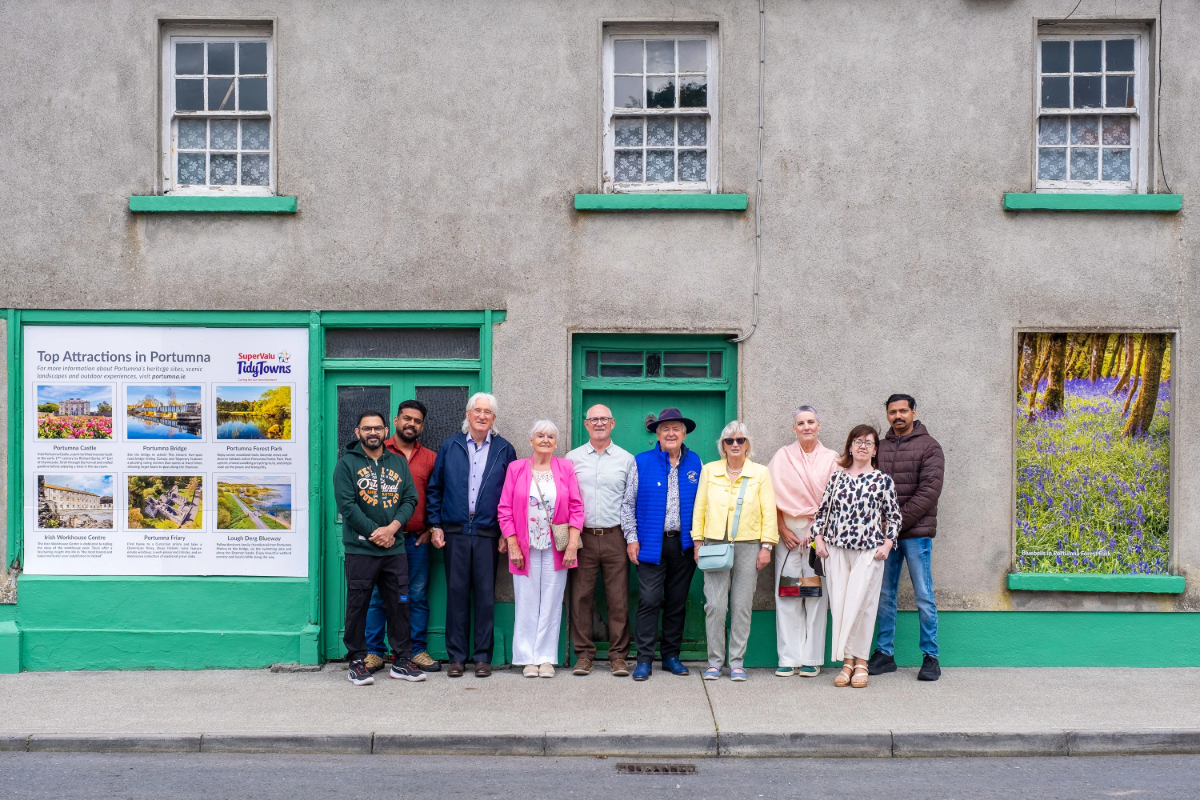
Two groups were also selected to represent County Galway in the Pride of Place Awards. Portumna Tidy Towns will compete in the Community Tourism Initiative category, reflecting the town’s strong heritage offering and community development. Tuam Women’s Shed was also recognised for its work on a sensory garden in the Tuam Palace Grounds, developed in partnership with local groups and schools.

The Heritage Legacy Award was awarded to the Fionn Science Project. Developed at primary school level, it combined science education with heritage themes and has been recognised as an innovative and influential initiative in Irish education.

Galway Football Star Recognised At Civic Reception

0
Cathaoirleach of the Ballinasloe M.D. Cllr. Peter Keaveney, Ms. Siobhán Divilly, Mr. Damien Mitchell, Director of Housing. Credit Gerry Stronge.

Local GAA star Siobhán Divilly has been honoured at a Civic Reception for her football achievements, bringing pride to her community.

The Civic Reception was hosted by Ballinasloe Municipal District after Siobhán was named AIB Ladies Gaelic Football Club Player of the Year for 2025/2026.

The event, held last week, recognised Divilly’s sporting achievements and her role in the success of Kilkerrin-Clonberne LGFA.

Cathaoirleach Peter Keaveney praised the team’s contribution to the community and said Divilly had become an inspiration for young players across Galway.

She was presented with an engraved Galway Crystal trophy to mark the occasion.

Galway-based Carer Honoured as 2026 Regional Carer of the Year

0

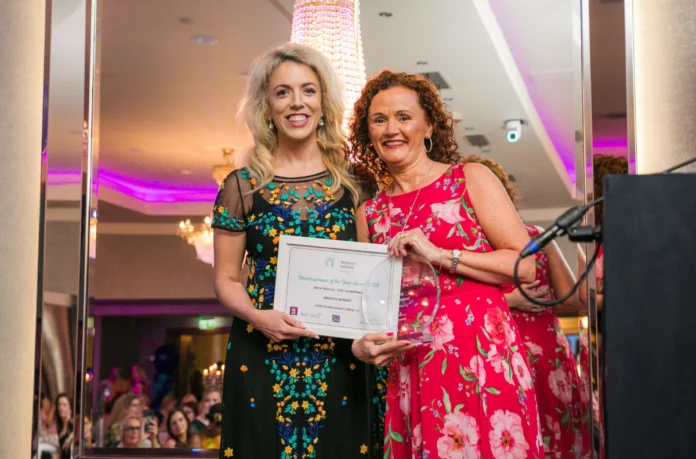
A Galway-based carer has been announced as a regional winner of the Comfort Keepers Carer of the Year Awards 2026.

Lauren Keighran received the award for her dedication and consistent high standards in caring. She was honoured at a special event in Croke Park to celebrate the 2026 Regional Carer of the Year Winners, where she was chosen as one of 18 finalists from around the country.

“To be named Regional Carer of the Year for Galway tells me that the care and commitment I bring every single day has been noticed and that means a lot,” Lauren said.

“This award isn’t just recognition for me personally, it feels like recognition for all the work that so many carers do quietly, consistently, and with so much heart, often without being seen.”

“Home support work can be challenging, and there are days that test you. But there are also moments that remind you exactly why you chose this path, be it a smile, a thank you, or just knowing someone felt safe and dignified in their own home because you were there.”

Comfort Keepers Ireland is an award-winning homecare and support service that helps people stay living independently in their own homes and communities as safely as possible while maintaining connection, dignity, confidence, and joy.

The company has been operating for over 20 years and has a hub in Galway. Comfort Keepers employs over 150 people across the west, serving Galway, Mayo, Sligo and Leitrim.

Comfort Keepers has also been named the Business All-Star, All-Ireland Champion Home Care Company 2026, receiving this accreditation for the third year in a row.

Collette Gleeson, CEO of Comfort Keepers, said, “At the heart of Comfort Keepers is a commitment to care that goes beyond daily tasks. It is about helping people to feel dignity, respect and independence while staying connected to the community around them.”

“Lauren’s dedication and genuine passion for her work reflect the difference that compassionate, high-quality care can make when it is tailored specifically to each person.”

“Through this kindness, connection and commitment, we help clients continue to live with confidence and remain part of the very communities they have helped shape. Lauren is an excellent ambassador for Comfort Keepers.”

This year, Comfort Keepers became the Official Community Impact Partner of the GAA and the Gaelic Players Association. This partnership brings together three organisations that care deeply about enhancing and protecting social connections across Ireland.

Pat Spillane, former Kerry footballer and Comfort Keepers Ambassador, said, “In my time on the pitch, I’ve seen what real heart and dedication look like, and I see those same qualities in every one of these Comfort Keepers finalists.”

“I’ve had the privilege of meeting many of the people who rely on these vital services to chat about life, community and Gaelic games. I see the same thing everywhere: carers are the backbone of our communities, providing a lifeline and a sense of connection to our GAA supporters and their families.”

“These finalists are the all-stars of care in homes all across Ireland, and it’s only right that we shine a spotlight on the amazing work they do every single day.”

In addition, Comfort Keepers is supportinging FTD Brothers in their courageous Irish Challenge of completing 32 marathons in 32 days across every county in Ireland, raising vital funds for The FTD Foundation and the Alzheimer’s Society of Ireland.

This effort creates crucial visibility for people and their families living with dementia, helping to open conversations and reduce stigma.

Established in 2005, Comfort Keepers Ireland is an award-winning national homecare company. It works closely with the HSE, their clients, and their families to offer a full range of nurse-led, tailored homecare and support services for any individual, including older adults, who wants to stay in their own homes for as long as possible.

Eleven day road closure on Galway City outskirts

0
Galway Daily news road closure

The Leitrif road on Galway City will be closed for two weeks from Monday while Uisce Éireann is carrying out work in the area.

The road, north of Knocknacarra, will be closed between the junction with Ballagh Road, and the junction with the Letteragh Road.

This closure will be in place from 7.00am to 7.00pm from Monday, May 25 to Friday, June 5 while Uisce Éireann is carrying out site investigation works.

Diversions will be in place via Letteragh Road, Corcullen Road, Oranswell Road, Moycullen Road & Gortacleva Road

Localised access will be maintained as permitted within the limitations of those within the existing pedestrianised zone.

Galway syndicate wins €150,000 scratch card prize

0
Galway Daily news Tomorrow night’s Lotto jackpot heading towards an incredible €11.5 million

A Galway syndicate is starting summer with a shared pot of €150,000 after a surprise scratch card win recently.

The syndicate won this amazing prize from an All Cash Surprise Scratch Card, purchased from Centra Carnmore, Oranmore, Co. Galway.

“We’re in absolute disbelief! I actually bought a couple of scratch cards as gifts and at the very last second, threw one in for myself,” a syndicate member shared.

“When I realised it was a winner, I always imagined I’d be jumping up and down or screaming, but instead I just stood there in total shock.”

“None of us could believe it, we kept looking at each other thinking, ‘Is this really happening?!’”

“We haven’t properly celebrated yet, but we’re already talking about upgrading our holiday to a 5-star trip, something we’d never usually do!”

“It’s the perfect excuse to treat ourselves. There are a few big milestones coming up too, so it’s going to be a very special year ahead!”

This was one several big winners from around the country who came to claim more than €1.2 million in lotto prizes this week.

Meanwhile, tonight’s EuroMillions jackpot is set to roll towards an estimated €105 million while tomorrow night’s Lotto jackpot is heading towards an estimated €3.8 million.

Family Fun in Salthill this weekend for Africa Day 2026

0

frica comes to Galway City this May, as part of a celebration of the people, cultures and potential of this wonderful continent and all of the African communities who call Galway City home.

Africa Day, taking place on Saturday, May 23, brings a full-day event featuring live music, traditional and contemporary dance, African cuisine, fashion showcases and art exhibitions to Salthill Park, for a free family-friendly celebration. Full details of events taking place nationwide are available on www.AfricaDay.ie.

Africa Day is an annual worldwide celebration, with local authorities across Ireland hosting a range of cultural, artistic, and family-friendly events nationwide throughout the month of May.

Mayor of the City of Galway, Cllr Mike Cubbard said, “Africa Day is a chance for everyone in Galway, both the wider community and African communities living here, to celebrate Galway’s status as Ireland’s most multicultural city.”

“People of African heritage are an important part of life in Galway. They are part of our neighbourhoods, our schools, and our workplaces, working alongside people from Galway, across Ireland, Europe, and around the world.”

“Our diversity is one of our greatest strengths. Africa Day is about recognising that strength, building understanding, and coming together to celebrate African cultures in Salthill Park on 23 May.”

Cllr Helen Ogbu said, “As the first person of African heritage elected to Galway City Council, Africa Day holds deep personal and community significance for me.”

“It celebrates visibility, belonging, representation, and the enormous contribution African communities make to Galway and Ireland every day.”

“I am proud of the strong collaboration between Galway City Council and the African community, led by Africa United Galway and supported by the many African organisations and groups working together to make this event possible.”

“This unity reflects the strength of diversity, integration, cultural exchange, and community collaboration in making Galway a welcoming and inclusive city for all”

Climate Award goes to standout Galway students at SciFest regional final

0
nnie Finnegan and Sarah Jomish, 2nd year students at St. Jarlath’s College, Winners of the EirGrid Cleaner Climate Award with James Reynolds and Jack O’Connor, EirGrid Engineers at SciFest Regional Competition, ATU Galway

Two students from St. Jarlath’s College in Tuam have been awarded the prestigious EirGrid Cleaner Climate Award after showcasing their project at the SciFest@College 2026 regional competition at Atlantic Technological University in Galway.

Students from schools across Galway and neighbouring counties gathered with their teachers and fellow students to compete in the annual STEM fair exhibiting innovative projects spanning health, physics, renewable energy and artificial intelligence.

Second year students Annie Finnegan and Sarah Jomish impressed judges with their project, ‘Tote-ally not plastic’, highlighting how alternative materials such as agar agar, gelatin and glycerin can be used to make tote bags to reduce plastic waste.

The runner-up award was granted to Adonis Kleckovos, Rudransh Vyas and Ethan Furey, second year students at St. Mary’s College for their project ‘Electric footsteps reducing carbon footprints’ which focused on using piezoelectric and piezoscience to create green electricity in high footfall areas in Ireland.

SciFest@College is a nationwide series of STEM fairs for second-level students, held across 16 regional colleges across Ireland.

Now celebrating its twentieth year, SciFest continues to enable students to showcase their creativity and talents in science, technology, engineering and mathematics.

As a long-standing SciFest partner, EirGrid, the operator and developer of Ireland electricity system, presents the Cleaner Climate Award to recognise the vital role that young people play in building a more sustainable future.

The award honours a project that demonstrates both technical excellence and a meaningful contribution to energy and environmental sustainability.

Orlaith Diamond, Head of Sustainability at EirGrid, congratulated the winners on their successful projects,

“For twenty years SciFest has been a driving force in sparking curiosity and innovation among second level students, and we are incredibly proud to continue supporting this important initiative.”

“As we continue to work towards the Government target of ensuring eighty percent of Ireland’s electricity comes from renewable sources, we recognise that nurturing the next generation of problem solvers and innovators is essential to building a clean, resilient energy system. ”

“EirGrid is at the forefront of delivering Ireland’s climate ambitions, and the enthusiasm shown by the students at ATU Galway today reflects a growing passion for environmental and renewable energy solutions.”

“Congratulations to Annie and Sarah, as well as Adonis, Rudransh and Ethan on their awards.”

€3.25 million funding for Galway Regional Aquatic Project

0
galway daily swimming pool denis naughton ballinasloe

An additional €3.25 million in funding has been allocated o help progress the long‑awaited Galway Regional Aquatic Project.

The proposed allocation would close the remaining funding gap identified by Galway City Council, enabling the project to move toward the construction phase.

The project aims to deliver a competition‑standard 35m pool, adjustable-depth floor, sports hall, gym, spectator facilities, sauna and steam room, and a range of community and public spaces, alongside upgraded cycling and pedestrian access routes.

Minister Patrick O’Donovan said, “This is a potentially transformational project for Galway and for the wider west. Modern, competition‑standard aquatic facilities of this scale have been needed for many years”.

The minister added that this funding for the plans would be a, “major step toward making them a reality. The proposed additional €3.25 million will help bridge the final funding gap and move the project closer to construction.”

“This investment is about far more than elite sport. It is about children learning to swim, clubs growing, and communities having access to high‑quality facilities that support healthier, more active lives.”

The development includes:

  • 35m x 25m Olympic Water Polo competition‑standard swimming pool
  • Adjustable‑depth pool floor
  • Sports hall and gym facilities
  • Spectator area
  • Sauna and steam room
  • Coffee dock and community spaces
  • Site landscaping and upgraded access routes

How to Design an Efficient Office Space

0

An efficient office is more than a place where desks, chairs and computers are arranged neatly. It is a working environment that supports productivity, reduces stress and helps people perform at their best throughout the day. Whether you are setting up a small home office, redesigning a shared workspace or improving a company headquarters, the way you organise the office can have a significant impact on focus, comfort and collaboration. A well-designed office should be practical, pleasant and flexible enough to adapt to changing needs.

Start with a Clear Plan

Before moving furniture or buying new equipment, it is important to create a clear plan. Think carefully about how the office will be used. How many people will work there? Do they need quiet areas, meeting spaces, storage or creative zones? Mapping out daily routines can help you decide where each element should be placed.

A good office layout should make movement easy. People should be able to walk between desks, printers, cupboards and meeting rooms without obstacles. Avoid overcrowding the space, as this can make the office feel stressful and inefficient. Instead, choose a layout that gives everyone enough room to work comfortably.

Choose Ergonomic Furniture

Comfort is essential for productivity. Employees who sit for long periods need supportive chairs and desks at the correct height. An ergonomic chair should support the lower back, allow feet to rest flat on the floor and make it easy to maintain good posture. Adjustable desks can also be useful, especially for people who like to alternate between sitting and standing.

Do not underestimate the importance of desk space. A desk should be large enough for a monitor, keyboard, notebook and other daily essentials without feeling cluttered. When people have enough space to organise their work properly, they are less likely to waste time searching for items or rearranging their equipment.

Make Good Use of Natural Light

Lighting has a major effect on concentration and wellbeing. Natural light is ideal, so try to place desks near windows where possible. However, avoid positioning screens in direct sunlight, as glare can cause eye strain and make it difficult to work comfortably.

If natural light is limited, use a combination of ceiling lights, desk lamps and soft background lighting. Bright, harsh lighting can feel unpleasant, while lighting that is too dim may lead to tiredness. The goal is to create a balanced environment that feels fresh, calm and professional.

Keep the Office Organised

Clutter can quickly reduce efficiency. A tidy office helps people think clearly and work more effectively. Provide enough storage for documents, stationery, cables and personal items. Filing cabinets, shelves, drawer units and labelled boxes can all help maintain order.

It is also useful to create a system for shared supplies. Items such as paper, envelopes, pens and ink cartridges should have a designated place so employees can find them quickly when needed, especially when office essentials are ordered through suppliers such as Viking Direct. This prevents unnecessary interruptions and helps the office run more smoothly.

Create Zones for Different Tasks

Not every task requires the same type of environment. Some work needs silence and concentration, while other tasks involve discussion and teamwork. If space allows, divide the office into different zones. For example, you could have a quiet area for focused work, a meeting area for discussions and a relaxed corner for informal conversations or short breaks.

This approach helps reduce distractions. Employees who need to concentrate can work without being disturbed, while those who need to collaborate have a suitable place to talk. Even in a small office, thoughtful zoning can make a noticeable difference.

Invest in Reliable Technology

Efficient offices depend on reliable technology. Computers, internet connections, printers and communication tools should work smoothly and be easy to access. Poor technology can waste time, create frustration and slow down important tasks.

Keep cables tidy and safe by using cable trays, clips or covers. This not only improves appearance but also reduces the risk of accidents. Regularly update software and maintain equipment to prevent avoidable problems. It is also wise to have backup solutions for important files, especially if the office handles sensitive or essential information.

Support Wellbeing and Focus

An efficient office should also support the wellbeing of the people who use it. Add plants, comfortable seating and pleasant colours to make the space feel more welcoming. Plants can improve the atmosphere and help soften a formal working environment.

Noise control is another important factor. Carpets, curtains, acoustic panels and soft furnishings can reduce echo and background noise. In open-plan offices, consider providing headphones or small private spaces for calls and focused work.

Review and Improve Regularly

Office design should not be treated as a one-time task. As teams grow, routines change and technology develops, the office may need adjustments. Ask employees what works well and what could be improved. Small changes, such as moving a printer, adding storage or improving lighting, can have a big effect on daily efficiency.

Conclusion

Creating an efficient office is about combining comfort, organisation and practicality. A successful workspace supports concentration, encourages collaboration and makes everyday tasks easier. By planning the layout carefully, choosing ergonomic furniture, managing clutter and investing in reliable technology, you can create an office that is both productive and pleasant to work in.

Burst water mains causing outages in Mountbellew area

0
Galway Daily news Moycullen water outage

People living in Mountbellew and surrounding areas may be experiencing water outages today as repairs take place on a burst mains.

There was a burst on a trunk mains near Mountbellew which occurred on Monday night.

This has resulted in some customers experiencing low water pressure and intermittent outages. Areas affected include Mountbellew town, Moylough and Newbridge.

Uisce Éireann’s Operations Manager Gerard Greally, has assured customers that every effort is being made to restore a full water supply as quickly as possible.

“We understand the inconvenience of an unplanned outage and we thank customers for their support while our works continue.”

Repairs are expected to be completed by 6pm today. Typically, it takes two to three hours following repairs for normal supply to restore to all customers affected by an unplanned outage.

However, it may take longer for normal supply to be restored to customers at the end of the network or on higher ground as the system recharges.

To ensure the safety of the crews carrying out the repairs to the burst and the safety of the public, traffic management will be in place and will be clearly signposted.

Most Popular

Galway Daily news Entries open for Galway City Tidy Towns and Garden competition 2021

Row between elderly neighbours over garden ends in court for abusive...

0
A long running row between older residents of a managed estate in Oranmore over their communal garden resulted in one man being convicted of...

Latest

Galway Daily news galway weather sun

Weather advisory issued as temperatures may reach 30 degrees by Friday

0
Met Eireann has issued a weather advisory for a prolonged period of high temperatures expected to last almost a week starting from Wednesday. No weather...