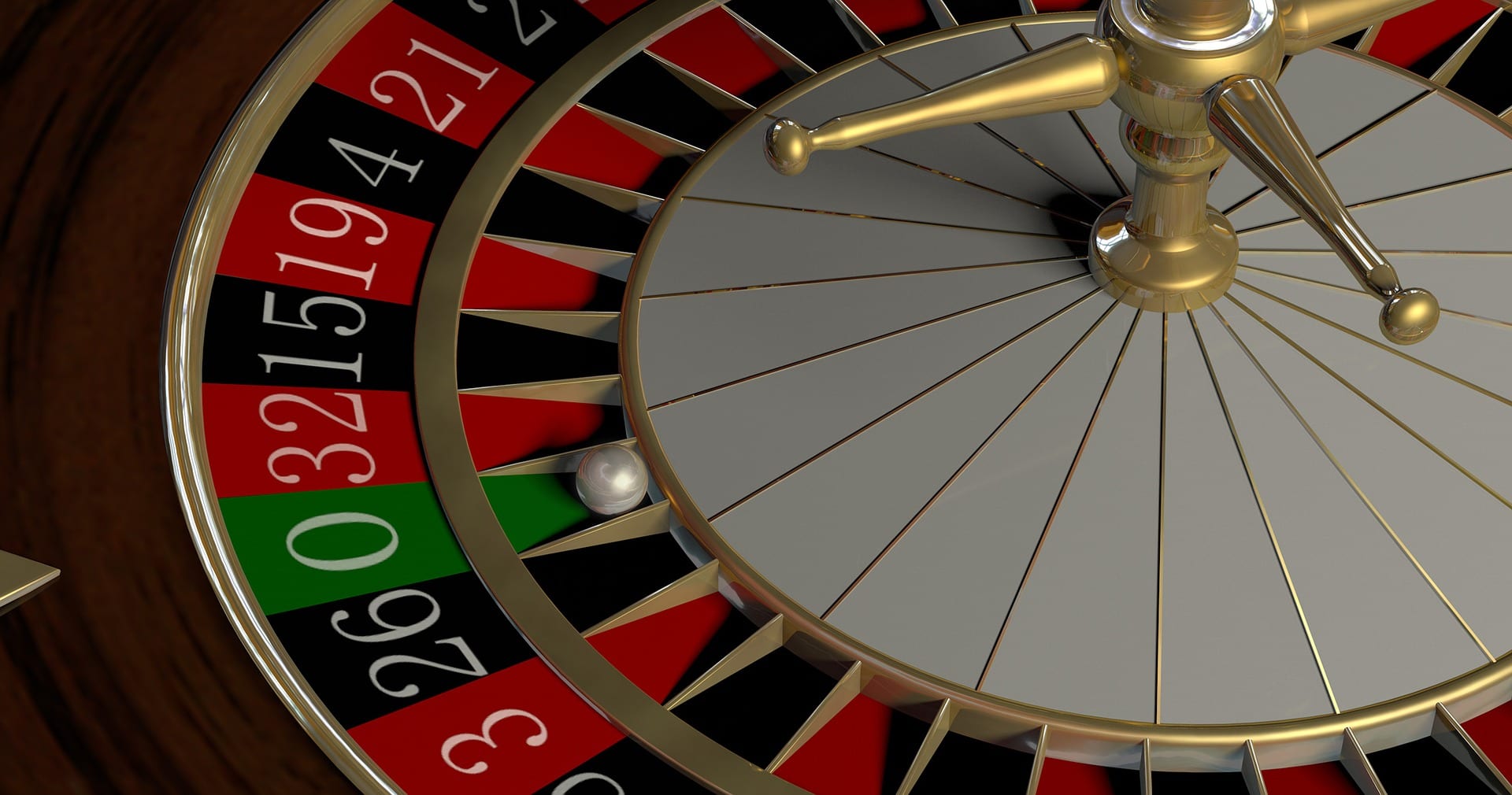
A player blows on the dice before rolling them, presses the spin button at a ‘special moment’, or chooses a ‘lucky’ slot machine in the corner of the hall. These rituals are familiar to many, and behind them lies a powerful psychological phenomenon — the illusion of control. It is human nature to believe that one’s actions influence a random outcome, even when this is objectively impossible. Understanding this mechanism is particularly useful before choosing a platform: for example, when comparing services at https://curacaocasino.eu.com/, it is important to understand where skill ends and pure chance begins.
What is the illusion of control
This term refers to the tendency to overestimate one’s own influence on events whose outcome is determined by chance. A person feels as though they are able to influence the result through a choice, an action or a ritual. In reality, however, the probability remains unchanged regardless of their behaviour.
Typical manifestations of the phenomenon:
- Pre-bet rituals — blowing on the dice, a specific gesture.
- Choosing a ‘lucky’ slot machine — the belief that it is favouring you.
- Timing of the press — the conviction that the moment of the spin is important.
- Personal superstitions — lucky numbers and objects.
Why the brain creates this illusion
The roots of the phenomenon lie in evolution. The ability to see connections between actions and outcomes helped our ancestors learn and survive. The problem is that this mechanism sometimes finds patterns where there are none.
The need for predictability
It is psychologically more comfortable for a person to feel in control of what is happening. Uncertainty causes anxiety, and the brain compensates for it by constructing illusory connections. This is how the feeling of controlling chance arises.
Reinforcement by random coincidences
Sometimes the ritual ‘works’ purely by chance, and this reinforces belief. Sound game analytics shows that such coincidences are statistically inevitable, yet the brain interprets them as confirmation of control.
The element of choice reinforces the illusion
The illusion is particularly strong where the player is given a choice. The ability to press a button yourself, choose a payline or stop the reels creates a false sense of influence. Although the outcome is still determined by an algorithm, active participation reinforces the feeling of involvement.
What fuels the sense of control:
- The ability to start a round yourself.
- Choosing the number of paylines or the bet size.
- The function to ‘stop’ the reels manually.
- The appearance of strategic decisions in the process.
Skill-based games versus games of chance
It is important to distinguish between games where skill genuinely plays a role and those where chance decides everything. In poker, the ability to read opponents matters, whereas in slots, the outcome depends entirely on the random number generator. The illusion of control blurs this line in perception.
How the categories differ:
- Skill-based games — the result depends partly on skill.
- Games of chance — the outcome is determined solely by an algorithm.
- Mixed formats — combine both elements in varying proportions.
- Dangerous confusion — applying skill to pure chance.
How design supports the illusion
Interfaces are often designed to emphasise the player’s active role. Buttons, stop animations and interactive elements create the impression that much depends on the user. This is not a deception of the mathematics, but a visual emphasis on participation.
Techniques that enhance the sense of influence:
- An interactive start button instead of an automatic one.
- The ability to stop the spin manually.
- Bonus rounds with the appearance of choice.
- Animations that respond to the player’s actions.
Technology and accessibility
The development of mobile entertainment allows rituals to be performed and ‘decisions’ to be made at any moment directly from a smartphone, which enhances the sense of involvement. Convenient online payments reduce the pause between impulse and action. At the same time, the outcome itself remains beyond the user’s control, and awareness of this fact is particularly valuable.
How to keep a clear head
Understanding the phenomenon is the best defence against its power. A few practical reminders:
- A random outcome does not depend on rituals or omens.
- Active participation does not alter the inherent probability.
- Coincidences are inevitable and do not prove the existence of control.
- Distinguish between games of skill and games of pure chance.
- Treat the process as entertainment, not as a way to control luck.
Conclusion
The illusion of control is a deeply ingrained feature of human perception that leads us to believe we can influence random events. Rituals, choices and active participation create a false sense of control where an algorithm reigns supreme. Understanding this mechanism does not take the fun out of the game, but allows you to assess what is happening objectively and not confuse involvement with real control over luck.
Gambling is a form of entertainment, not a way to make money. This material is intended for persons over the age of 18 (18+). Please gamble responsibly.