Ireland’s tourism story no longer fits the simple “recovery” label. The Central Statistics Office recorded just over 6.4 million foreign overnight visitors in 2025, 3% fewer than in 2024, while their spending excluding fares fell 9% to €5.5 billion. Then momentum returned: from January through July 2026, foreign overnight visits reached 3.9 million, 13% above the same period in 2025 and 0.4% above 2024. The pattern is less about chasing a record headcount than about who comes, how much they spend, and whether destinations can turn a summer visit into a longer, higher-value trip.
The Recovery Has Stopped Moving in a Straight Line
July 2026 captures the change. Ireland recorded 676,300 foreign overnight visitors, up 5% year over year, while spending excluding fares rose 9% to €681 million; average stay length slipped from 7.9 nights to 7.6. Visitor numbers and visitor value are therefore moving at different speeds. For hotels, attractions and restaurants, a modest rise in arrivals can still support stronger revenue when spend per trip increases.
North America Is Punching Above Its Headcount
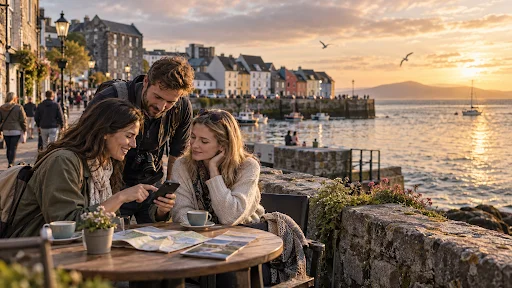
North Americans accounted for 30% of foreign visitors in July 2026 but €300 million, or 44%, of visitor spending for the month. Great Britain and Continental Europe each supplied 32% of visitors, yet neither matched the North American spend. Galway sits squarely inside that value-over-volume shift: Fáilte Ireland estimates that 1.0 million overseas tourists visited the county in 2024, generating €687 million and staying an average of 5.1 nights. Three in four overseas holidaymakers visiting Galway that year were first-time visitors to Ireland.
Race Week Shows Why Events Matter More
Galway increasingly shows how a destination can build travel around a specific event rather than a generic summer break. The 2026 Galway Races Summer Festival ran from July 27 to August 2 at Ballybrit, and organizers projected attendance of more than 130,000 before the meeting; the previous year’s official crowd was just under 126,000. For adults following the card during a city break, MelBet can sit alongside official racecards, going reports and form data when comparing win, place or live racing markets, with a fixed stake keeping the betting spend defined in advance. The event also concentrates demand into hotels, restaurants, taxis and nightlife across one seven-day period.
Irish Residents Are Looking Abroad More Often
Domestic travel has shifted in the opposite direction. Irish residents took 15.3 million overnight trips within Ireland in 2025, down 8% from 2024, while overnight trips outside the country rose 11% to 15.1 million; holidays accounted for 60% of those outbound journeys. Fáilte Ireland still describes domestic spending as resilient and estimates that spending by Irish residents is 65% above 2019 levels, so fewer trips do not automatically mean a collapse in value. Hotels averaged 78.4% room occupancy in 2025, but the RevPAR gap between high and low season exceeded €100 per room.
The Phone Has Become Part of the Itinerary
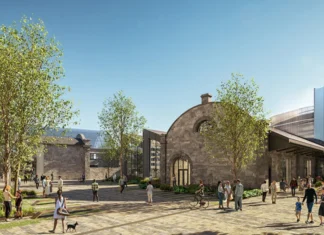
Galway’s tourism strategy is increasingly designed for visitors who move between neighborhoods rather than stay around one landmark. The five-year city plan launched in October 2025 calls for stronger links between the Latin Quarter, Salthill and other areas, while the €19.3 million Galway City Museum redevelopment is projected to attract an additional 820,000 visitors over ten years. The same mobile habits extend into downtime, where someone using the MelBet apk can follow football or racing markets after an attraction closes without reorganizing an evening around a television. Phones now carry tickets, maps, restaurant bookings, transport updates and entertainment in the same pocket.
Policy Is Counting Value, Seasonality and Jobs
Ireland’s National Tourism Policy Statement, launched on December 1, 2025, makes the new priorities unusually explicit: higher visitor spend, stronger off-peak travel from October to May, regional growth and greater digital adoption by tourism businesses. The government’s target is for 90% of tourism SMEs to adopt more advanced digital systems. That national push is relevant to Galway, where Fáilte Ireland recorded 229,400 tourism jobs in 2025 and nearly 70% were based outside Dublin. Fáilte Ireland has committed €12.6 million to the museum project, while the city is also considering a year-round indoor food market and Urban Gaeltacht weekends. The aim is not simply to bring in another August crowd. It is to give people a reason to visit, stay longer, spend locally, and return in November.