Galway has always been good at mixing old rooms with new ideas. A trad session can spill onto a street where a software team is still working upstairs, and a film crowd can share a café with people building games. That overlap helps explain why digital entertainment no longer feels like a separate industry in the city. It has become another strand of Galway’s creative life.
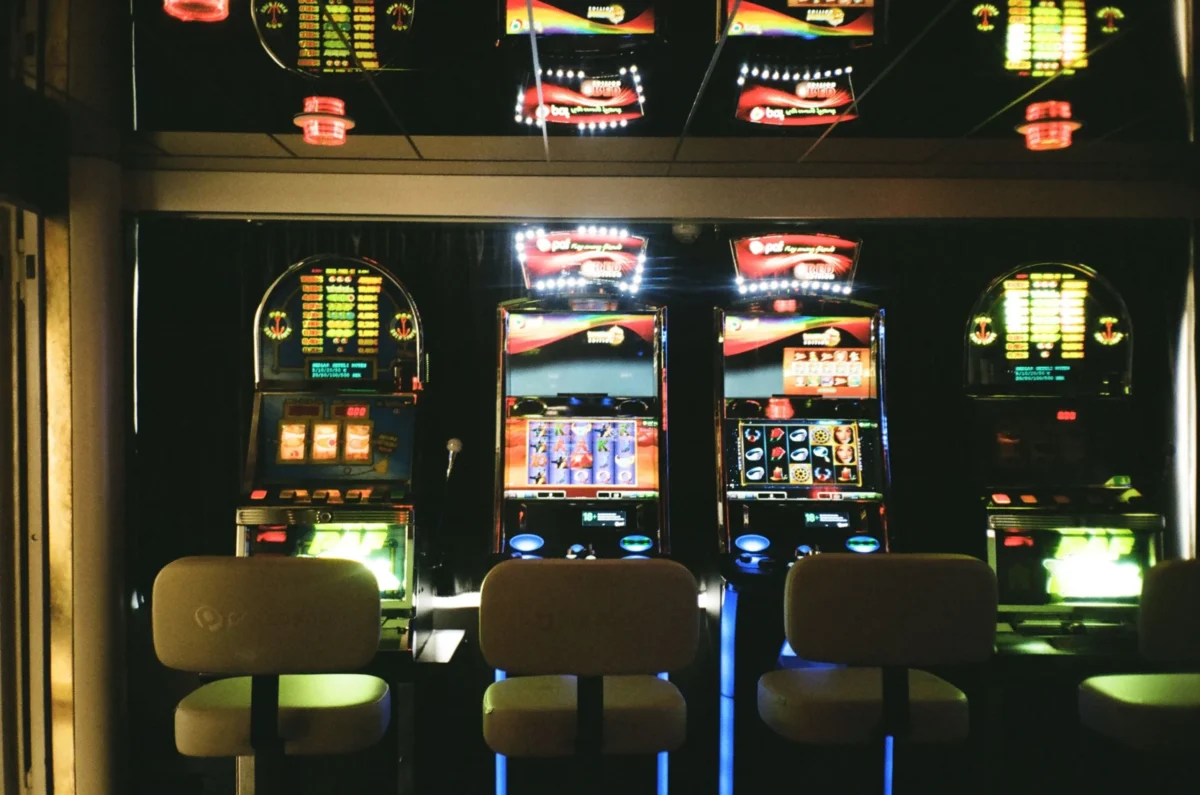
Slot design belongs to that conversation more than it first appears. Modern games combine illustration, animation, sound, interface design, and short-form storytelling. The reels remain familiar, but nearly everything around them has been rebuilt for phones, tablets, and quick sessions.
A small screen still needs a strong sense of place
Mobile design rewards clarity. Symbols must be readable at a glance, buttons need room for a thumb, and an animation has only a moment to explain what changed. The strongest games do not solve this by making everything louder. They establish a visual hierarchy, then let colour and motion guide the eye.
That craft sits comfortably beside Galway’s expanding digital creative industries, which bring together talent from games, animation, film, immersive technology, design, and music.
The work begins long before a reel moves
A finished slot may look like one seamless object, but production is usually a relay. A concept artist establishes the visual world. Interface designers decide where information belongs. Animators test how symbols enter, settle, and disappear, while sound teams build cues that must remain clear even through small phone speakers. Developers then join those pieces to a rules engine and make the result behave consistently across browsers and devices.
That sequence creates the same practical challenges found in animation, film, and app development. Files need naming conventions, revisions have to be tracked, and creative ambition must fit the performance budget. An effect that looks excellent on a studio monitor is not useful if it stutters on ordinary hardware. Restraint becomes a technical choice as well as an artistic one.
The reels are only the beginning
A catalogue of online casinos shows how broad the format has become. Some titles lean on simple fruit-machine nostalgia; others use layered maps, characters, and feature sequences that resemble casual mobile games. The practical difference is not merely theme. Reel layouts, volatility, bonus structures, and session tempo all change how a title feels.
Good art direction keeps those systems understandable. A symbol can be decorative and still communicate its value. A transition can create anticipation without hiding the result. Sound can mark a change in state without becoming exhausting after five minutes.
What Galway’s creative economy can recognise
The same principles appear across digital products. Adobe’s guide to pixel art explains how deliberate limits can create a recognisable visual language. Slot designers often use that lesson even in highly polished games, a restricted palette, a clear silhouette, and a consistent animation style are more memorable than detail for its own sake.
Galway does not need to become a casino-development centre for this work to matter locally. The useful point is that modern entertainment skills travel. An animator who understands anticipation, a sound designer who can punctuate a short interaction and a developer who can make an interface behave on an older phone all contribute to products far beyond one genre.
Local talent can move between formats
Galway’s creative workforce is well placed for that kind of movement. A designer who has worked on an arts-festival campaign already understands how to establish mood quickly. A musician accustomed to arranging short cues can bring precision to interface audio. A programmer experienced with responsive websites knows how fragile a layout becomes when screen sizes and connection speeds vary.
The transferable part is not casino knowledge; it is the ability to make a complicated digital product feel immediate. Games, cultural apps, interactive exhibitions, and streaming tools all need concise feedback and a coherent visual language. Once those fundamentals are strong, teams can learn the conventions of a particular format without starting their craft from zero.
There is also room for distinctly local influence without reducing Galway to postcards. Colour drawn from the Atlantic light, pacing shaped by live performance, or illustration with the confidence of the city’s poster culture can give a product character. The strongest regional voice often appears through small design decisions rather than obvious landmarks.
A format shaped by many disciplines
Online slots are sometimes described as if they were simply mechanical reels transferred to a screen. The better description is a compact digital production. Every title asks a multidisciplinary team to make rules visible, moods immediate, and navigation effortless.
That makes the format an interesting footnote to Galway’s larger creative-tech story. The city’s advantage has always been the meeting of different practices. Modern slot design is built the same way: illustration meets code, sound meets psychology, and a familiar game finds a new life in the palm of a hand.