Home Blog Page 53

Long waiting times and heavy overcrowding at UHG Emergency Department today

0
Galway Daily news Almost 1,000 patients on trolleys at UHG in February

University Hospital Galway is reporting heavy overcrowding with long waiting times and high trolley numbers at the Emergency Department.

The Emergency Department in UHG is extremely busy with 248 people attending yesterday and high numbers tracking again this morning.

As of this morning, there are 50 patients on trolleys awaiting admission to an inpatient bed, with additional surge beds in use.

The high number of people attending who need to be admitted for ongoing treatment means that there is pressure on bed availability.

This is resulting in significant delays being experienced by patients in the Emergency Department who are waiting for a bed to become available on a ward.

Due to bed shortages, the hospital is postponing some elective procedures. As always urgent, time sensitive cases are being prioritised.

Patients are being contacted directly if their procedure is being postponed.

The hospital is urging the public to use alternative healthcare services for treatment, such as their GP, GP Out of Hours, the Roscommon Injury Unit and pharmacies when appropriate.

“The hospital apologises for any inconvenience caused and would like to thank the public for their understanding and patience at this time,” a spokesperson for UHG said.

“Emergency Departments are always available to treat seriously ill patients, and the sickest patients are seen first. People with less severe injuries and symptoms may have to wait to be seen.”

“For mild illness or non-urgent conditions there are a number of treatment options open to you depending on your illness – being prepared and knowing where to go will mean that you will get treated more quickly and will ease pressures on the healthcare system.”

The out of hours GP (WestDoc), Roscommon Injury Unit and pharmacies are open this weekend for expert advice and treatment.

Celebrate Cruinniú na nÓg Across Galway County

0

Cruinniú na nÓg is the National Day of Creativity for Children, funded by the Creative Ireland Programme and organised through local authorities across Ireland.

This year, this special day will take place on Saturday, June 7, with over 50 events happening in Galway County, more than half of which incorporate the Irish language.

The programme includes a fabulous variety of workshops, exhibitions, performances, dancing games and so much more, plus an exciting selection of events happening for Cruinniú Late, an initiative of the Night Time Economy initiative.

Valerie Kelly, Creative Communities Engagement Officer, Galway County Council, is looking forward to this year’s programme.

“Cruinniú na nÓg is a real highlight in our calendar here in the Arts Office. It’s incredibly rewarding to help the young people of Galway to explore their creativity and celebrate their culture all while having fun with their families and friends”

Highlights include ‘Disco in a Day’, a hands-on workshop where professional DJs will show you exactly what you need to create a wonderful disco experience, from mixing disco hits to setting up the club.

Then the doors will open for a pop-up free family-friendly disco created by workshop participants…all before the sun goes down.

Your workshop host is the wonderful Aoife McElwain, who has dreamed-up, hosted, and DJed at all types of events from the ever-popular ‘Sing-along-social’ shows to the main stages of Ireland’s biggest festivals.

No experience in DJing and/or event management is needed to participate.

Pop along to ‘Sparkcatchers! Any News?’ a magazine-style TV Show performance featuring discussion from the young people of Tuam about the issues that matter to them.

There will be exciting drumming workshops with Drumadore in Moycullen and Headford.

Join in a singing workshop with FUSE Music’s Let’s Sing!, an event for children from 1st to 6th class which will allow them to explore their singing voices through group singing exercises and games.

This workshop is designed to help everyone of all levels of ability to feel confident and excited about using their voices.

Explore the world of sheep and wool farming with local artists in Moylough through creative activities including map making and needle felting.

Gliondar are hosting a fabulous Festival Day, an event for the entire family with a variety of events for all ages. There will be balloon twisting, spoken word workshops and a variety of events throughout the day, and in the evening, the stage transforms into a platform to allow local youth bands and DJs to showcase their talent.

Our libraries are also taking part in this national day of creativity with a series of events in a library near you including ‘The Story of Music and Instruments Through the Ages’ in Oranmore, ‘Kids’ Cooking Workshops’ in Ballinasloe, ‘Creative Mindfulness as Gaeilge’ in An Spidéal, ‘Design your own Bookmark’ in Loughrea, ‘Paper Folding & Book Art’ in Portumna plus full family fun day programmes in Áras Éanna, Inis Oírr; Halla Naomh Eoin, Inis Meáin; Drom Soccer Park and Athenry Heritage Centre.

IFI reopens Erriff, Moy and Galway fisheries

0
IFI reopens Galway Fishery after 10 day closure

Inland Fisheries Ireland(IFI) has reopened the Erriff and Moy fisheries in Co. Mayo, and the Galway Fishery in Galway city.

The three State-owned fisheries had been closed due to high water temperatures.

IFI closed the fisheries so that cold water fish species did not suffer potentially lethal angling-related stress, in addition to stress caused by water temperatures above 20 degrees.

Multiple temperature readings below 18 degrees have since been recorded at the Moy, at the Erriff River, and at the Galway Fishery on the River Corrib.

Barry Fox, IFI’s Head of Operations said: “The suspension of angling at the Moy, Erriff and Galway fisheries is now lifted.

“Water temperatures have returned to an appropriate range, and the fisheries can be re-opened.

“IFI will continue to monitor all fisheries it manages for the State.”

The IFI is reminding anglers that they must be in possession of a salmon and sea trout licence before fishing for these species.

Sod turned on €80 million Library and Learning Commons at University of Galway

0

Minister for Higher Education James Lawless has turned the sod on construction of the new €80 million Library and Learning Commons at University of Galway.

The new €80 million building will be a new landmark for the city at the centre of the University campus and home for an exciting new, sustainable, modern, iconic library of the future.

The Library and Learning Commons will be a fully accessible high-tech space of learning and creativity with a focus on providing access to books, information and the latest learning technologies for student teaching and learning, for research and for staff. The ground floor will be open to the public.

The project is being supported by Government through a €15 million capital grant through the Department of Further and Higher Education, Research, Innovation and Science under the Higher Education Strategic Infrastructure Fund (HESIF).

Planning permission for the project was secured in the summer 2023, and it is expected to be completed in early 2027.

Speaking at the sod turning, Minister James Lawless said, “Significant funding has been approved by my department for this exciting expansion which is a really important development for higher education in the Connaught region.”

“The construction of this building will improve the educational experience for current and future generations of students.”

Interim President of University of Galway Professor Peter McHugh said, “The plan and the ambition we have for our state-of-the-art Library & Learning Commons is matched only by its setting in the heart of our unique city centre, riverside campus.”

“The landmark development, supported by the HEA, brings to life our vision to maximise resources, technology, space and opportunities for our students, researchers and staff to learn, grow and collaborate in a building which is set to be a new focal point for University of Galway and our entire community.”

The new building covers about approximately 10,000m2 and will range in height from 4-6 storeys, with 2,244 study spaces (an increase of up to 600 on the spaces currently on campus).

It includes quiet, individual and collaborative study areas; spaces for exhibitions; digital creativity; Makerspace, digital scholarship centre; areas dedicated to research/postgraduate study, teaching and events, community engagement and welcome zone, helpdesk, collections, book processing; student wellbeing including sensory, relaxation and outdoor spaces, including a café and terrace.

It will overlook the Corrib and be visible from the Newcastle Road area and the Quincentenary Bridge.

University of Galway Librarian Monica Crump said, “The new University of Galway Library and Learning Commons will provide our students with an inspirational, welcoming, high-tech space of learning and creativity, designed to meet the needs of teaching and learning in the 21st Century.”

“It will be a space that brings diverse people and disciplines together, enabling interaction, discovery, innovation and new partnerships. It will be a vibrant place of scholarship and learning and a flagship building for the University and the city.”

Early philanthropic support for the Library and Learning Commons building project has been generously provided by a group of lead alumni and other individual donors, and by corporate supporters including CBE and Anthony Ryan Ltd.

€4 million funding to advance breast cancer research in Galway

0

The National Breast Cancer Research Institute in Galway has received a €4 million investment to pursue life-changing advancements in patient care.

The investment, which is part of a partnership with the University of Galway, was formally launched this month by Minister for Health Jennifer Carroll MacNeill.

The NBCRI philanthropy will enable enhanced research and diagnostics for the benefit of patients, including digital imaging currently not available in Ireland, the expansion of clinical trials and more international collaboration on the analysis of clinical samples.

The multimillion-euro charitable funding is being provided as part of a new Signature Partnership between NBCRI and the University which will provide for new, critical academic and research posts.

The partnership and philanthropy build on a legacy of relations between the two organisations going back more than three decades, with a specific focus on enabling scientific and clinical research over the last 15 years.

The Signature Partnership was officially signed and formally launched at an event in the University’s Lambe Institute for Translational Research.

Minister MacNeill said that this funding will “not only enhance patient care and outcomes but also pave the way for groundbreaking advancements in research and diagnostics.”

“As breast cancer is one of the most common cancers, with 1 in 7 women in Ireland receiving a diagnosis during their lifetime, today’s announcement marks another important step forward in supporting women affected by this disease.”

Professor Peter McHugh, Interim President of University of Galway, welcomed the funding, which he said would advance the “longstanding and impactful collaboration” the university has with the NBCRI.

“Our partnership goes back many years and we have no doubt that this generous philanthropic investment will make a significant difference to outcomes for cancer patients, as well as the wider impact that our University can have as a research-intensive institution, rooted in the community and committed to the public good.”

A national charity, the National Breast Cancer Research Institute (NBCRI) has been instrumental in advancing the development of the breast screening and symptomatic clinics at University Hospital Galway and the development of clinical and fundamental breast cancer research at the Lambe Institute at University of Galway.

The new NBCRI funding investment will support:

  • University of Galway’s translational breast cancer research, including metastatic breast cancer; genetic risk; biomarker discovery and detection; cell communication within tumours; stem cells and cell therapy.
  • The Cancer Biobank and collaboration with expert national and international partners which enables the use of clinical samples to investigate how the disease develops, is diagnosed and is treated.
  • Specialist diagnostics through state-of-the-art digital spatial imaging equipment.
  • Clinical trials into diagnostics, treatment and survivorship, including breast surgery and telemedicine.
  • The development of a European-accredited comprehensive cancer centre through the research programme and advocacy for improved cancer treatment infrastructure as part of the HSE West and North-West – University of Galway Cancer Centre designation as an Organisation of European Cancer Institutes (OECI) Cancer Centre.
  • Academic and research appointments and roles including a Chair of Medical Oncology; Scientific Director; clinical trials nurses; postdoctoral scientists and PhD students; cancer research summer scholarships.

Chairperson of the National Breast Cancer Research Institute, Caroline Loughnane, said, “The mission of the National Breast Cancer Research Institute is to raise funds in support of world-class breast cancer research that has a real and measurable impact on outcomes for breast cancer patients.”

“We are delighted to be making this investment of €4 million in the breast cancer research programme at University of Galway, led by Professor Michael Kerin and his team.”

“Research means new discoveries, more effective treatments and better outcomes for breast cancer patients. Building on more than three decades of support, NBCRI is excited to extend its commitment to the breast cancer research programme at the University of Galway”.

AtlanTec Festival to explore the role of AI and cybersecurity in future technology innovation

0

With a strong focus on AI and cybersecurity, the AtlanTec Festival Conference at University of Galway will take place on Thursday, May 29, and is set to attract over 400 delegates, including international speakers and representatives from leading technology companies.

The AtlanTech Festival has been underway in Galway this past week, celebrating innovation and technology in the west of Ireland.

Now in its 11th year, the festival is led by the non-profit association itag (Innovation Technology AtlanTec Gateway) with the support of its sponsors, members and the technology community.

This year the packed programme of events – spanning more than two weeks – centres on the theme of ‘Shaping the Future of Technology Innovation’.

Conference speakers, Johnathan McCrea of Whipsmart Media and Newstalk, Bronagh Riordan of EY, and Dr Bairbre McNicholas, Senior Lecturer at University of Galway and Consultant in Intensive Care Medicine at Galway University Hospitals, will discuss the role of AI and cybersecurity in their work.

Short-form talks and use cases – ways in which a user interacts with a system or product, will follow from Fidelity, Cisco, Datavant, Accenture and CURIOSS.

AI conference sessions will be led by Professor Michael Madden from the School of Computer Science at University of Galway and will feature a keynote from Gary Short of Darach AI, an AI/Machine Learning modelling company that allows you to make better business decisions by predicting the future.

Cybersecurity conference sessions will be led by Seán Morris of Galway based cybersecurity company TitanHQ and will feature keynotes from Mark Power of Immersive Labs, a company helping the world’s largest organisations to be ready for the future of cyber threats, and Dr Mamoona Asghar from the School of Computer Science.

Professor Lokesh Joshi, Vice-President for Research and Innovation at University of Galway, said: “The festival enriches our collective expertise and allows us to engage with the vibrant technology community in our region, sparking valuable new connections.”

“In addition, it highlights the West of Ireland as a major hub for excellence in innovation, technology, data and AI.”

Caroline Cawley, CEO of itag, said, “Now celebrating its 11th year, AtlanTec continues to drive innovation, fostering collaboration that advances the technology sector across the region.”

“It is more than just a festival – it builds community by connecting professionals, businesses, and visionaries, significantly enhancing talent development throughout the region.”

During the conference, the recent winners of the AtlanTec AI Challenge hackathon will present their AI-driven solution to challenges in the healthcare domain. It aims to create AI solutions to address real-world challenges.

The two-week festival is anticipated to attract over 1,000 delegates from regional and national technology companies across Ireland.

It serves as a platform for networking, knowledge exchange, and exploring collaborative opportunities between academia and industry.

The conference is brought to campus by the University of Galway Innovation Office, which is supported under the KT Boost Programme co-funded by the Government of Ireland and the European Union through the Northern and Western Regional Programme 2021-2027.

“I’m on the way” – Ireland’s Top White Lie Revealed

0

New research commissioned by Three reveals that Ireland is a nation of everyday spoofers – with the most common white lie being the claim: “I’m on the way” (when you’re not).

According to the national survey, 68% of Irish adults admit to telling someone they’re en route before actually leaving, and 58% go as far as to state they are only 5 minutes away.

The behaviour is most common among younger adults, with 79% of 20–30-year-olds owning up to it, and men are more likely to do it than women (72% vs 64%).

Other top spoofing habits? 59% of respondents say they’ve blamed “bad signal” to avoid a call or reply, even when their coverage was fine.

Three has commissioned this survey at the same time as the phoneand broadband service provider has been named Ireland’s no. 1 Network for coverage, reliability and speed by Opensignal.

To celebrate the award, Three is rebranding three of its flagship stores to “One” for the next four days in Grafton Street, Dublin; Patrick’s Street, Cork; and Shop Street, Galway.

The tongue-in-cheek activation flips the brand’s own name to highlight its number one network status and plays on the idea that while spoofing might be part of Irish culture, one thing you can’t spoof is your signal.

“Opensignal has named us Ireland’s no. 1 network for coverage, reliability and speed – so to celebrate, we’re changing some of our store names to ‘One’ to reflect that”, said Ronan Gibney, Director of Sales at Three Ireland.

“Because while we know Irish people are prone to spoofing at times, one claim that isn’t exaggerated is we’re now Ireland’s no.1 network, independently proven by Opensignal.”

Other highlights from the report include:

  • 24% have lied about their Leaving Cert results, with men more likely to exaggerate by over 100 points.
  • 39% admitted to posting online to make life seem more exciting, more common among women and younger people.
  • Just 21% say they trust brands who claim to be “the best” without independent proof.

Call for farmers to protect water quality during the summer season

0

Farmers are being asked to help protect waterways from pollution this summer season by ensuring that silage pits and slurry spreading don’t contaminate them.

The Local Authority Waters Programme (LAWPRO) and LAWPRO’s Farming for Water European Innovation Partnership (EIP) are appealing to farmers during the current silage and land spreading season to protect watercourses from agricultural pollution.

LAWPRO, working on behalf of Ireland’s 31 local authorities to protect and restore good water quality in rivers, lakes, estuaries, ground and coastal water, are warning farmers and landowners that silage effluent, manure, fertilisers and soiled water are highly pollutant substances if they enter a watercourse.

Mairead Whitty, LAWPRO’s Farming for Water EIP Project Lead said: “We are appealing to all farmers, landowners and contractors to take precautionary measures to ensure no harmful substances reach any watercourse on and around farms.”

“During the current hot spell of weather, water levels are very low; therefore it is it is important to protect any stream, river or lake from potential pollutants.”

“Poor silage pit management and slurry spreading practises can directly impact water quality. We are asking farmers to become guardians over their local watercourses and to take responsibility for their role in protecting them.”

LAWPRO emphasises that it is essential that farmers maintain silage pits and slurry storage facilities to ensure leaks and overflows do not occur.

In the Good Agricultural Practice Guidelines from the Department of Agriculture, Food and the Marine, farm effluent and slurry should only be spread responsibly when heavy rain is not forecast and never close to a watercourse.

The Farming for Water EIP project is available in priority catchments across the country where water quality is not meeting its targets. For more information on the project visit: www.farmingforwater.ie.

Dampened Growth Forecast Results in Improved Risk Management Approach from Central Bank

0

Ireland’s economic growth is expected to slow down in the coming months, primarily due to the looming imposition of US President Donald Trump’s tariffs. The 25% tariff aimed at EU imports will be particularly significant given the country’s thriving pharmaceutical industry, with Galway alone hosting the headquarters of major companies like Aerogen and Chanelle Pharma.

These tariffs may cause Ireland to experience a fiscal shock. The country heavily relies on global trade, particularly when it comes to exporting pharmaceutical goods to the US. According to Reuters, President Trump has criticised pharmaceutical goods in particular for creating a ‘massive’ trade surplus that deters the profitability of US drugmakers, making it likely for his tariffs to specifically target products like these. Because the industry contributes a significant amount of the country’s tax revenue, the Central Bank of Ireland (CBI) reduced its forecast for modified domestic demand from 3.1% to 2.7%, highlighting it as the key marker for the country’s overall economic performance.

As in other parts of the region, these developments pose significant risks for Ireland’s financial sector. US tariffs are expected to exacerbate inflation, slow the job market, and even heighten the industry’s cybersecurity risks. These predictions have seen other central banks, like the Bank of England, cut interest rates to shield their economies from their potential effects. Back at home, the CBI is going a step further by significantly updating its framework for supervising the country’s financial institutions.

Introduced in February, the new framework aims to help firms enhance their overall resilience amid a ‘heightened risk environment,’ which the CBI notes is characterised by market volatility caused by the current ‘uncertain’ geopolitical situation. Here’s how the bank’s new strategy compares to its old 2011 PRISM framework and what firms can do to reap the benefits of these changes as global trade conditions fluctuate.

Reviewing 2011’s PRISM framework

The now-retired Probability and Risk Impact System, or PRISM, framework was used to supervise the country’s financial firms more comprehensively and maintain its overall economic stability. Designed to mimic similar frameworks leveraged by the likes of the UK’s Prudential Regulation Authority, it allowed the CBI to support institutions in mitigating risks as soon as they were detected.

Though designed to facilitate efficient resource allocation and assess risks in a consistent and systematic manner, PRISM has previously been criticised for overlooking the more unique, nuanced risks facing smaller firms compared to larger institutions. In some cases, the CBI would assign higher PRISM ratings to certain entities and disproportionately affect these entities over others.

Galway-Roscommon TD Michael Fitzmaurice has accused the CBI of crucifying credit unions, which often provide the most accessible financial services in rural Ireland, simply due to the size of their operations. In limiting their lending thresholds, the CBI hampered firms with fewer resources than larger, multinational banks. That resulted in credit unions falling from 461 to 209 between 2011, when PRISM was introduced, and 2019.

Further analysis from the law firm RDJ LLP pinpointed that PRISM could also be unnecessarily harsh on financial institutions. Across the 40 settlements the CBI entered between 2016 and 2020, only 15% of the cases arose from risks self-reported by firms. Despite this proactiveness, these firms were still subjected to the same fines as firms that remained non-compliant, with the average penalty amounting to over €1.3 million—an amount that may be seen as discouraging future self-reporting efforts.

Due to these factors, PRISM was criticised for stifling growth in the financial sector to maintain stability through strict regulation, something that could have similarly hindered Ireland’s overall economic growth amid today’s volatile market conditions. To prevent the recurrence of such an outcome, the CBI has opted to completely replace the framework. Today, its more balanced approach to risk management aims to help financial firms better weather the shocks expected to come from upcoming developments like US tariffs.

What the CBI is changing this year

The CBI’s current framework, which was introduced in late February, is comprised of a revised supervisory approach that improves upon PRISM’s weaknesses while retaining its strengths. The new approach primarily aims to achieve four key safeguarding outcomes, among which are ensuring the safety and soundness of a firm’s operations and maintaining the overall stability and integrity of the country’s financial sector. As such, the CBI is taking on a more evolved, holistic approach that aims to account for the complexity of the various services and operations offered and leveraged by financial firms.

Rather than assigning risk ratings based on an organisation’s size alone, for example, the new framework now categorises firms based on the products and services they offer, including bank and payments, insurance, and capital markets and funds. From here, the CBI will directly engage with organisations to provide firm-specific risk assessments, which will allow it to more effectively equalise the supervision of firms regardless of scale.

Institutions with a higher risk rating will receive the support of a dedicated CBI supervision team to mitigate risks. Meanwhile, those believed to have a less significant risk impact will instead be subjected to annual sectoral and cross-sectoral thematic engagements helmed by multi-disciplinary teams from the CBI.

PRISM’s replacement is also more agile in terms of both supervision and enforcement. Thanks to a more gentle approach, supervisory intervention from the CBI won’t immediately result in significant financial penalties that may only increase costs for firms as inflation rises. Instead, the bank will leverage a more comprehensive toolkit that starts with initial communications via ‘Dear CEO’ letters once risks are identified. These can prompt the implementation of risk mitigation programmes. Such programmatic interventions include the aforementioned initiatives, such as direct engagements and firm-specific risk assessments. They will also involve the stringent monitoring and reviewing of the necessary submissions (such as skilled person reports) to ensure firms appropriately manage risk and contribute to maintaining Ireland’s financial stability. Interventions will only escalate to enforcement in cases of non-compliance.

Perhaps more notably, the CBI’s new framework relies on a multi-year supervisory strategy. Refreshed annually, it aims to reflect the latest market developments that pose risks to the country’s financial sector as a whole. In line with this, the bank has and will continue to publish yearly reports that allow it to define and publicise its current set of priorities, which should help firms adjust accordingly. This year, for example, financial institutions will want to focus on the wide-ranging impacts US tariffs will have on Ireland’s overall economy, which may be exacerbated due to its large volume of pharmaceutical exports and ties to the EU. The CBI believes that this vital component of its new framework will allow it to react to market developments in a more timely manner and aid risk mitigation efforts when and where necessary.

How the country’s financial firms can adjust

Compliance with the CBI’s new supervisory framework can begin with equipping a firm’s leaders for the task. Providing Chief Financial Officers (CFOs) with the necessary tools can be particularly vital. That’s especially true given how their roles have expanded in the past decade, with areas like ESG and technology becoming key points of interest for investment. Unfortunately, CFOs and other leading financial professionals in charge of risk management will have to take more into account under the new CBI framework. Firms with a higher risk rating, for example, will have to meet expectations across multiple risk categories when being directly supervised by the CBI, including Business Model & Strategy Risk, Culture, Governance, & Risk Management, Operational Resilience Risk, and Financial Crime Risk. Though not subject to direct supervision, financial firms with a lower risk rating will still have to submit the necessary reports and undergo occasional onsite inspections.

To ensure financial leaders can adequately accomplish these tasks despite their expanded roles, firms can furnish C-suites with regulatory reporting software to streamline their workflows. Wolters Kluwer’s OneSumX tool highlights a scalable solution that can meet the needs of financial firms of any type and size while providing multiple risk management and regulatory reporting functionalities in a single, centralised platform. The suite can project multiple risk types across unlimited scenarios to generate highly granular insights, which can help firms maintain the data integrity needed to accurately self-report risks to the CBI despite changes in its supervision framework.

Firms must also take the necessary steps to react to market developments in a timely manner. As per an EY survey, this includes global trade issues. Tariffs ranked among the top five business risks worrying Ireland’s CFOs this year, with many concerned about their potential impacts on cybersecurity as digital transformation in the country’s financial sector deepens. Combined with Ireland’s current cybersecurity skills gap, US tariffs are expected to completely block accessibility to third-party vendors providing cybersecurity toolkits while raising prices for others. Secure World notes that firms needing to quickly find new vendors may skip the necessary checks to save time, resulting in vulnerabilities that can put the particularly sensitive information required for financial services at risk.

As such, it’s vital to strategically select one’s vendors amid developments like these. In the case of the cybersecurity risks posed by US tariffs, for example, financial firms can look to local suppliers like PlanNet21. Operating out of four offices across the country, including one in Galway, it was recently acquired by the Denmark-based Conscia, allowing it to expand its range of cybersecurity management tools to include solutions that specifically cater to the financial sector. Selecting local and EU-based vendors like this can help firms reduce risk and stay compliant with the CBI’s new requirements while navigating potentially impactful market events.

Mayor launches Charity Ball 2025 in aid of four good causes

0

Mayor of the City of Galway Cllr Peter Keane has announced the charity beneficiaries of this year’s Mayoral Ball, which will take place next month.

The 2025 Mayor Ball will be held at the Ardilaun Hotel in Galway City on Friday, June 13.

The much-anticipated annual event promises a memorable evening of celebration, entertainment, and community spirit — all in aid of four exceptional local charities.

This year, Galway Autism Partnership, Galway Down Syndrome, The Blue Teapot Theatre Company, and Rosabel’s Rooms have been selected as the Mayor’s chosen beneficiaries.

All proceeds from the event will be directed to support their vital work across Galway City and beyond.

Speaking at the launch held at Blackrock Cottage this week, Mayor of Galway City, Cllr. Peter Keane commented, “I cannot believe how quickly my term as Mayor of Galway City has passed. I am delighted to host this year’s Mayor’s Charity Ball at The Ardilaun Hotel.”

“The charities I have chosen are truly worthy of all the financial support such an event can provide, and I am deeply honoured to be able to assist them in this small way.”

Guests on the night will enjoy a Drinks Reception at 7:00pm, followed by a four-course gourmet meal, a charity auction, and raffle — all accompanied by a stellar lineup of live entertainment.

The evening will be expertly compered by Mr. Keith Finnegan, Freeman of Galway City, with special guests to be announced. Musical performances include the soul-stirring Knocknacarra Ignite Gospel Choir, Traditional Music, and the ever-popular Byrne Brothers, with DJ Lar spinning 80s and 90s favourites late into the night.

The Mayor’s Charity Ball 2025 is set to be a highlight of Galway’s social calendar, offering a unique opportunity for the public to support local charities while enjoying a night of glamour and goodwill.

ATU wins Education Award 2025 for Best Community Academic Collaboration

0

The ATU School of Engineering has won the ‘Best Community Academic Collaboration’ at the recent National Education Awards 2025.

The award is for the Civic Engagement module on the Bachelor of Engineering in Software & Electronic Engineering programme, which saw students teach programming and electronics to 306 children, teenagers and young adults during the past academic year.

The aim of the module is for students to share their knowledge and skills with young people in the community while at the same time awakening them to the possibility of attending university.

The project connects ATU Galway to people in the city for whom, previously, the university may have been just a large building with little relevance to their lives.

Collaborating organisations in 2024 were Galway City Community Training Centre, International Protection Centre Salthill, and five local schools as well as Creagh National School from Ballinasloe. Four of the participating schools have DEIS status.

Des O’Reilly, Head of Department, ATU Galway School of Engineering, said, “The collaboration is designed to enhance ATU students’ understanding of their role in global citizenship and partnership in the community”

It also aims to expose people to the joy of learning and open their minds to the possibility of following the same path as their student mentors.

The background to the Engineering Civic Engagement programme started in 2010 when lecturers tossed around a few ideas as to how their students could use their skills to benefit the community.

The first community partner was Camara, which is a charity that recycles old computers and sends them to the Developing World.

The next milestone was to integrate Civic Engagement into the degree programme so that students gained academic credits for their work.”Lecturers on the Civic Engagement Module were Des O’Reilly, Emer Cahill and Natasha Rohan.

Three of the 22 ATU students shared their experience of teaching what they learned to school children.

“My engagement with Galway City Community (GCC) was not just about teaching Arduino circuits. It was a journey of self-discovery, growth, and empowerment,” said Alex Paton from Athlone, Co Westmeath.”

“It reminded me of the profound impact that education and community engagement can have in shaping individuals’ lives and driving positive change in society.”

“Moving forward, I am committed to continuing my journey as a lifelong learner and advocate for inclusive, hands-on education for all.”.

“This was a wonderful experience helping within the community,” added Ellen McIntyre from Cloonagh, Co Offaly.

Sean Maloney from Galway City said that they would love to do all of this again.

Galway RNLI rescue two sailors in difficulty near Hare Island

0
Galway Daily news Lough Derg RNLI rescue two people after boat strikes rocks

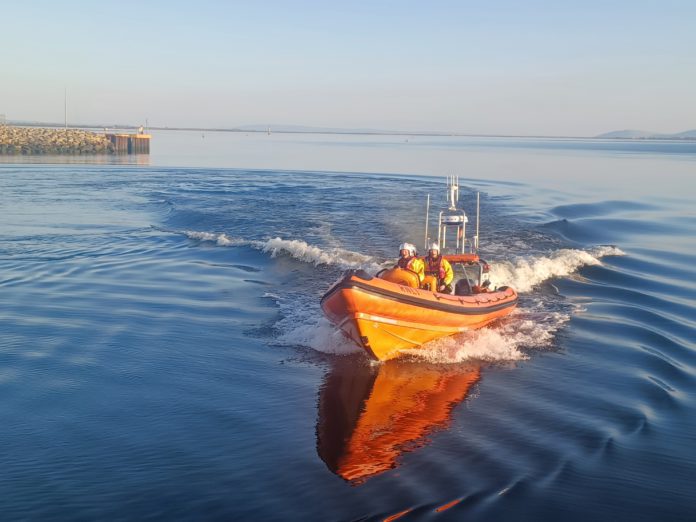
The Galway RNLI rescued two sailors from the waters of Galway Bay earlier this week after their dinghy capsized.

Shortly after 6.30pm on Thursday evening, as the volunteer crew were getting ready for a planned training exercise, the Coast Guard requested the lifeboat to launch to reports of a sailing dinghy in difficulty off Hare Island.

The crew of helm Seán King, Lisa McDonagh, Mike Cummins and Pierce Purcell were underway in the lifeboat very quickly and reached the casualties in a matter of minutes.

The two people were taken from their dinghy by the crew and medically assessed on board the lifeboat.

Once it was established that there was no medical emergency to deal with, the crew along with the casualties on board, returned to the lifeboat station at Galway Docks with the dinghy under tow.

Paul Carey, who was the Galway RNLI Launch Authority on Thursday, said, ‘It was a déjà vu evening and similar to last Thursday at approximately the same time, we got the call to launch just as the crew were assembling at the lifeboat station for training.”

“In addition to the crew who had been assigned for training on the boat this evening, we also had shore crew present at the station, and that meant we were able to rapidly launch the lifeboat while the rest of the crew were getting suited up.”

The Coast Guard had been alerted by a bystander who saw two people in the water off Hare Island, and this was passed on to the RNLI.

“Even though it was a mild sunny evening and sea conditions were relatively calm, the wind was starting to freshen, and there is no time to spare when there are reports of people in the water.”

“We understand that the two people had been out sailing when their rudder broke and the dinghy capsized.”

“They were able to right the boat but were unable to sail back to shore. Thankfully, just like the rescue we had last week, it was a good outcome and everyone came home safely.”

His advice if you get in trouble on the water, or see someone else in difficulty, is to call 999 or 112 and ask for the Coast Guard.

“Don’t assume that someone else has made the call, and make the call as early as possible,” Peter said.

“And it is always worth repeating the advice to wear a lifejacket or suitable flotation device for your activity. As was the case this evening, wearing lifejackets gave the casualties the best chance at staying afloat and being visible while in the water.”

Traffic disruption from six day roadworks near Oranmore

0
Galway Daily news

Roadworks will disrupt traffic near Oranmore for a period of six days starting from Friday, May 23.

Galway County Council is carrying out resurfacing works on the R348 at Derrydonnell More, Oranmore.

The works are commencing today, Friday, May 23 and will continue until Wednesday, May 28.

In order to facilitate these works, a Stop and Go traffic management system will be in place from 9am to 5pm.

As a consequence, people travelling in this area are asked to expect delays and give themselves additional time to make journeys.

Connacht Hotel Extends Sponsorship of Monday’s Feature Race at the Galway Races

0
20/05/2025 repro free: The Connacht Hotel Extends Sponsorship of Monday’s Feature Race at the Galway Races Olivia Lynch Ward, Commercial Marketing Manager Galway Races, Aisling Kennedy, Group Marketing Manager and David O'Connor, General Manager Connacht Hotel and GiGi at the Connacht Hotel where Galway Races were delighted to announce that The Connacht Hotel has signed a new three-year agreement to continue its sponsorship of the Connacht Hotel (QR) Handicap, the feature race on the opening day of Race Week. This year marks 16 consecutive years of support from The Connacht Hotel, making them one of the event’s long standing partners. Michael Moloney, CEO of Galway Racecourse commented: "We’re thrilled that The Connacht Hotel will continue to sponsor Monday’s feature race. They are an incredible partner to work with, and we look forward to another three years of collaboration. Their ongoing support is a testament to their belief in the excitement and value of Race Week." David O’Connor, General Manager of The Connacht Hotel, added: "Every year, we look forward to Race Week! It’s a highlight for our guests and staff alike. There’s truly something for everyone at the Galway Races, and we are proud to continue sponsoring Monday’s feature race." The Connacht Hotel is less than 6km from the racecourse and offers the perfect facilities for you Race Week stay - visit www.theconnacht.ie to book your stay. The Galway Races Summer Festival takes place from Monday, July 28th to Sunday, August 3rd, 2025 at Ballybrit Racecourse and promised to be another thrilling week of top-class racing, style, and entertainment. See you in Ballybrit! Photo:Andrew Downes, xposure.

The Galway Races has announced that The Connacht Hotel has signed a new three-year agreement to continue its sponsorship of the Connacht Hotel (QR) Handicap, the feature race on the opening day of Race Week.

This year marks 16 consecutive years of support from The Connacht Hotel, making them one of the event’s long standing partners.

Michael Moloney, CEO of Galway Racecourse, commented, “We’re thrilled that The Connacht Hotel will continue to sponsor Monday’s feature race.”

“They are an incredible partner to work with, and we look forward to another three years of collaboration. Their ongoing support is a testament to their belief in the excitement and value of Race Week.”

David O’Connor, General Manager of The Connacht Hotel, added, “Every year, we look forward to Race Week! It’s a highlight for our guests and staff alike.”

“There’s truly something for everyone at the Galway Races, and we are proud to continue sponsoring Monday’s feature race.”

The Galway Races Summer Festival takes place from Monday, July 28 to Sunday, August 3, 2025 at Ballybrit Racecourse and promises to be another thrilling week of top-class racing, style, and entertainment.

Aran Islands RNLI volunteers called away from wedding on a Friday night

0

The Aran Island RNLI lifeboat crew must have made quite the sight last weekend as they raced into action dressed to the nines in their tuxedosAran Islands RNLI volunteers called away from wedding

The volunteer crew were requested to launch Friday night, just before 9pm, after the Coast Guard got reports of a kayaker overdue to return.

Despite being guests at a wedding, several crew members—including coxswains Noel Seoighe and Aonghus Ó hIarnáin—immediately reported to the lifeboat station to prepare for launch.

Fortunately, the crew stood down once contact was re-established with the kayaker.

It’s a reminder when kayaking to always tell someone else where you’re going and when you’ll be back.

They can raise the alarm with the Coast Guard by calling 999 or 112 if you are overdue.

This call out, once again, highlights the dedication of our volunteers who are ready to respond at a moment’s notice – regardless of time, place or occasion.

Galway and Lorient celebrate 50 years of twinned cities

0

Galway City Council welcomed over 100 delegates from Lorient, France, to Galway City, to celebrate the 50th Anniversary of the twinning of Galway and Lorient – the first such twinning agreement between Ireland and France.

The twinning coincides with Brittany Fest in Galway City, which took place from May 9 – 18 this year.

A mayoral reception was held at City Hall on Thursday, May 15, where Mayor of the City of Galway, Cllr. Peter Keane welcomed the delegates, including the Mayor of Lorient, Fabrice Lohrer.

Speaking at the reception, Cllr. Keane said that he was delighted to welcome the delegates to City Hall to celebrate the 50th anniversary of this relationship.

“A friendship and exchange that celebrates a shared culture of maritime, sport, education and sustainability – strengthening ties between Galway and Lorient through business, education, tourism, and cultural exchange.”

Galway and Lorient signed a twinning agreement in 1975 – the first such twinning agreement between Ireland and France. This reflected a shared Celtic heritage and the geographical proximity of the two cities.

A delegation led by Galway City Council visited Lorient in March 2025, which was a milestone visit that provided a platform to celebrate past achievements, while fostering new opportunities for cooperation in business, research, educational exchanges and community engagement.

The delegation included representatives from Galway Chamber of Commerce, Atlantic Technological University (ATU), Portershed, Galway Harbour Company and the Galway Lorient Twinning Committee.

The visit featured high-level discussions, site visits, and cultural events that underscored the deep ties between both cities.

Mayor Keane commented, “I am delighted to be in a position to return the wonderful hospitality Lorient showed the Galway City delegation in March.”

“The importance of these visits has been already shown by the wonderful collaborations that have sprung up since that trip and which we will showcase during your stay.”

A programme of events took place over the weekend as part of the annual ‘Brittany Fest’ to celebrate the twinning anniversary including a Breton Breakfast at Áras na nGael, a Trad and Breton Session Trail, Claddagh Boat Trips to the Bay and much more.

Galway researchers uncover why some spiders are more venomous than others

0

A new study by researchers at the University of Galway’s School of Natural Sciences has revealed why some spiders possess venom that is far more potent than others.

By analysing the venoms of more than 70 different spider species, the team explored whether factors such as body size, prey type, and hunting method, including the use of webs, could explain the wide variation in venom strength.

The research was published today in the journal Biology Letters.

While spiders are infamous for many things like their eight spindly legs, sticky webs, and most notably, their venomous bites, the actual effects can vary dramatically depending on the species.

For instance, a bite from the Brazilian wandering spider can result in serious medical complications, whereas the venom of a giant house spider typically poses no threat to humans, raising the question, what drives such differences in venom potency?

The researchers discovered that diet is one of the most important drivers influencing the potency of spider venom.

They found that spider venoms are what is called prey-specific, meaning if a spider primarily hunts insects, its venom is likely to be particularly effective at killing insects in general, such as crickets and flies, but far less effective against other non-insect prey, like small mammals.

Lead author Dr Keith Lyons from University of Galway’s School of Natural Sciences said, “Our results show that spider venoms have evolved to be especially potent when tested on animals found in their diet in the wild.”

“This may explain why species that are known to occasionally prey upon small mammals, such as the Brazilian wandering spider or Black widow, have venoms that can cause medically significant effects in us humans, whereas species that only prey on invertebrates, such as the Giant house spider, have evolved venoms that target invertebrate physiologies rather than our own, posing little threat to us.”

The researchers also tested whether the use of webs to capture prey was related to the potency or volume of a spider’s venom.

Dr Kevin Healy, Senior author and Head of the Macroecology lab at the University’s School of Natural Sciences, said: “We predicted that web-hunting spiders might have less potent venoms because they may have evolved to rely more on their webs to immobilise prey.”

“Surprisingly, we found no relationship between whether a spider used their web and the potency of their venom, suggesting that webs are likely important for restraining prey in web-hunters, regardless of how deadly their venom is.”

“This study helps us to understand the evolution of spider venoms and aids in our understanding of why some spiders, such as the Noble False widow become invasive species in some parts of the world, or how some venoms may be of particular interest for future drug discovery, or the development of pest species-specific, pollinator-friendly insecticides.”

McSwiggans named Best Gastropub in Ireland at Restaurant Association Awards

0

McSwiggans Steak + Seafood Restaurant, has been crowned Best Gastropub in Ireland at the Restaurant Association of Ireland Awards, which took place last night in Dublin.

The national final of the Irish Restaurant Awards took place at the Burlington Hotel in Dublin on Monday night.

This recognition is a proud moment for the entire McSwiggans team, who have been quietly transforming the iconic Woodquay venue into a space that celebrates the very best of Irish food, drink, and hospitality.

Synonymous with Galway for generations, McSwiggans has always been a trusted name in dining.

Since 2019, however, a fresh energy and direction have brought about a new era – blending tradition with innovation.

Recent additions like the Atlantic Room, Sunday Sessions, and Tasting Thursdays have turned McSwiggans into a hub of community life, offering everything from live music and match-day gatherings to book clubs and even bespoke weddings.

Friday evenings have become a local favourite too – with baskets of complimentary chips and Irish sausages served up alongside after-work drinks.

Children’s Hospice Week survey reveals challenges faced by families in Galway and around Ireland

0

LauraLynn, Ireland’s only Children’s Hospice released stark findings from two new surveys today looking at the challenges faced by families caring for a child with palliative care needs.

Children’s Hospice Week, running from 18th to 24th May, raises awareness about the lived experiences of children with life-limiting conditions and their families.

Currently, there are 23 families in Galway using LauraLynn’s services.

The findings give a strong picture of the emotional, psychological, and financial impact and for the very first time, the unprecedented administrative burdens placed on families.

CEO Kerry McLavery said: “Children’s Hospice Week, is a time to share what we’ve learned about the lived experience of families of children with life limiting illnesses.”

“At LauraLynn it is so important for us to ask, listen to and understand what our families really need to make things a little bit better for them.”

“It helps us provide the right care and support through the toughest journey whether that be at the hospice, in hospital or in the comfort of a child’s home.”

“Together with your support, we can meet the needs of these wonderful children and families as best as possible. They deserve nothing less.”

One of the surveys, carried out by LauraLynn in April 2025 unveiled the following from respondents:

Emotional and Psychological Impact: 

  • 84% feel isolated in their caregiving role.
  • 90% worry about the emotional impact on siblings.
  • 86% wish they had more time to be a parent rather than a carer.
  • 68% find it challenging to focus on parenting.

Caregiving Burden: 

  • 77% of respondents care for more than 12 hours per day.
  • 95% feel overwhelmed by caregiving responsibilities.
  • 95% report that caregiving impacts their sleep quality.
  • 76% care for their child through the night.

Impact on Family Dynamics: 

  • 83% worry about not spending enough time with other children.
  • 75% find it challenging to balance the needs of siblings.
  • 55% find the psychological impact on siblings challenging.

Financial Struggles: 

  • 86% say caregiving impacts their finances.
  • 83% had to give up work, and 91% had to reduce work hours.
  • 60% feel financial supports are inadequate.
  • 63% find the financial implications challenging

Speaking at the launch of Children’s Hospice Week, Taoiseach Micheál Martin TD said: “I was honoured to meet Cillian, his family and representatives of LauraLynn. Families who use LauraLynn face immense challenges across every aspect of their lives.”

“As a government we have committed to investing in palliative care to achieve full national coverage of hospice and community services; to developing a new national policy on palliative care for children and to increasing funding to children’s hospice care.”

“As Children’s Hospice Week kicks off, we say to families caring for a child with palliative care needs, we understand the challenges in your everyday life, and we will continue to support you.”

UHG to hold remembrance service for parents and families who have lost a child

0
galway daily news Galway University Hospitals holding Memorial Service

The Children’s Remembrance Day Committee, University Hospital Galway is inviting parents and their families who have experienced the death of a child before birth, shortly after birth or at a later stage to remember them in a special Mass.

The 29th Annual Children’s Remembrance Mass will take place on Sunday, May 25 at 2.30pm in the Church of the Sacred Heart, Seamus Quirke Road, Galway.

The theme of this year’s mass is “Remember Me” with guest speaker Dave Cribben, a member of pastoral care team at Galway hospice.

The Chairperson of the Children’s Remembrance Day Committee, Maura Mannion said: “It is a special day for parents and families to share their grief.”

“I would encourage anybody who has experienced the death of a child and would like him/her to be included in this special Mass, to contact us in advance.”

“Coming together with other families is a support to the bereaved and lets them know that they are not alone.”

Committee member Joan Healy added: “The death of a child is heart-breaking for any family. Giving people the opportunity to come together acknowledges the loss of the future that might have been in an understanding and empathetic environment.”

The Books of Remembrance will be available to view after Mass along with the opportunity to come together and share memories over a cuppa.

Most Popular

Galway Daily news Prior warning issued for Ballyloughane and Grattan beaches

Swimming bans for two Galway City beaches after water testing results

0
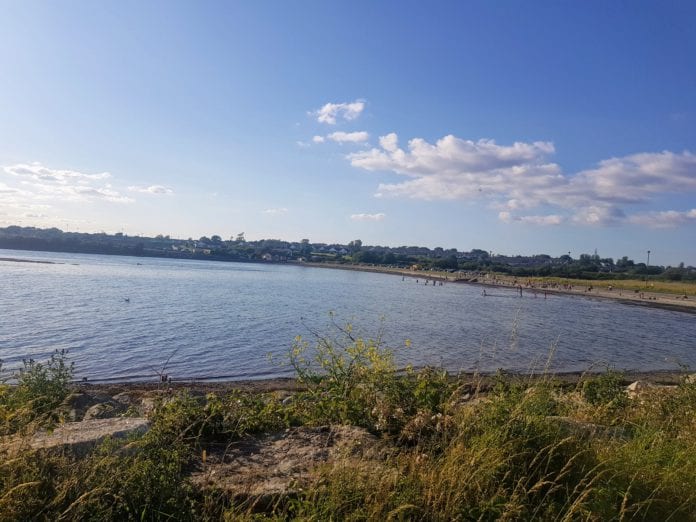
Galway City Council has issued temporary swimming bans for Ballyloughane and Grattan Roacd beaches due to poor water quality testing results. The council issued the...

Latest

Galway daily news

Motorcylist (30s) killed in single vehicle crash

0
A motorcyclist in his 30s has died in a single vehicle crash on the Claregalway to Tuam road late on Friday night. Gardaí and emergency...