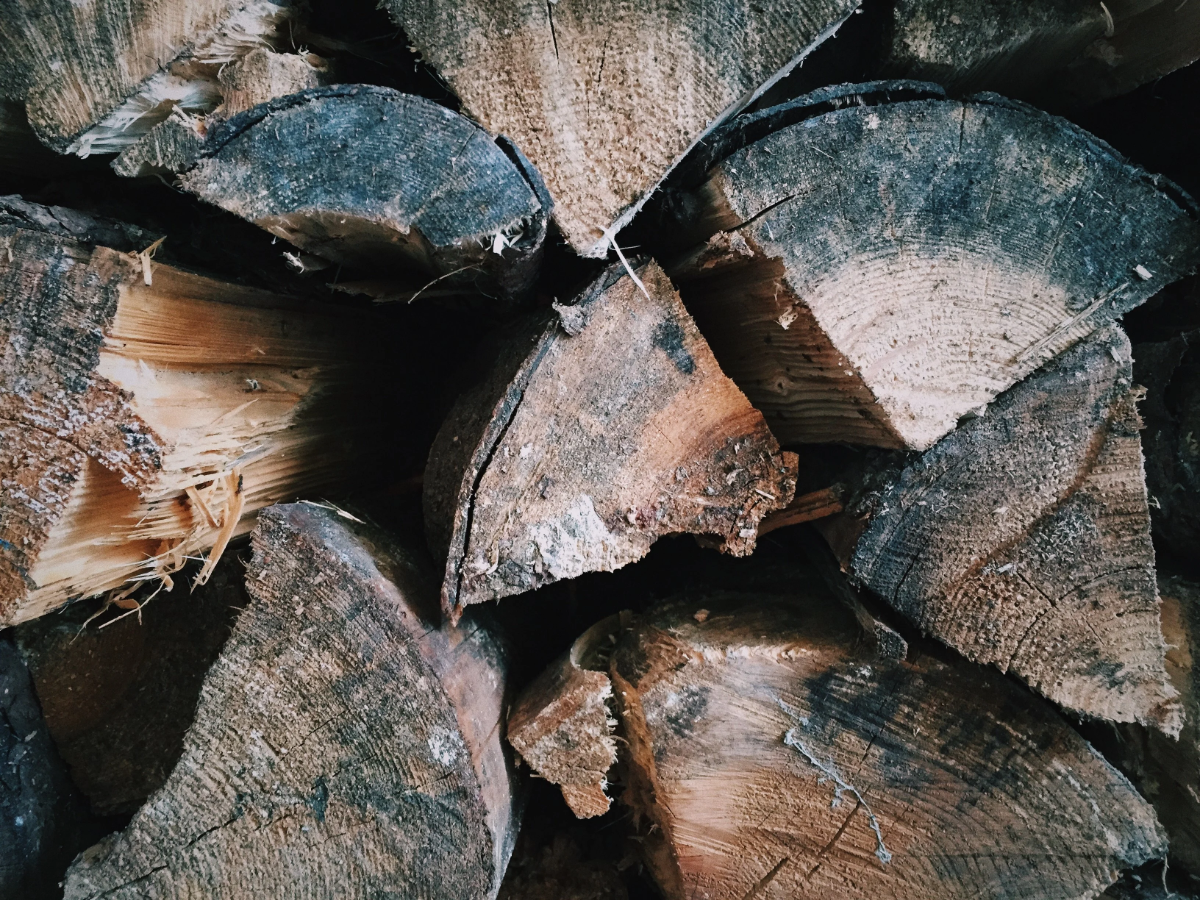
Ireland is a wet country, regardless of the region. The most commonly cited range of wet days is between 150 and 225. The winter is also long, damp, and cold. Understandably, storing firewood in Ireland’s wet climate can be particularly challenging. However, firewood needs to be properly stored to prevent rot. It also needs to be kept dry in order to ensure a safe, even, and efficient heat.
Luckily, there are ways to keep your logs dry and ready to burn throughout the year.
Buy Kiln-Dried Firewood
When you buy firewood in Ireland, look for kiln-dried wood. This is firewood that has gone through an extensive drying process to ensure it has less than 20% moisture.
Not only does this wood have a low moisture content, but it also burns hotter than wood that has been dried through other methods. The wood has been heated in a kiln to remove as much excess water as possible. This helps the wood preserve more of its energy for producing heat, rather than wasting energy burning moisture away.
Kiln-dried firewood is also easier to keep dry long-term. If you buy moist logs, they’re likely to stay damp when stored in Ireland’s wet and cold conditions.
Choose the Right Location for Storing Your Firewood
Once you’ve bought the firewood, you need to select an appropriate location to store it. Obviously, it can’t be left outside or on the ground. Ideally, you need a sheltered position that’ll keep it dry from the rain.
Here are a few options:
A wooden log store
By building a wooden structure for your logs, you can create a dry and ventilated place to store your wood through all seasons.
It’s important to give the structure a slanted roof so that rain and snow run off and pools of water are prevented from forming. Slatted side walls encourage constant air movement, ensuring that your logs are kept dry and mould-free. You could also keep the front open so that the logs are easy to grab whenever you need one.
Old pallets
A more DIY and affordable approach would be to use old pallets, a heavy tarp, and bungee cords.
Place one wooden pallet on the ground and two pallets upright on either side. Screw these pallets together so that they won’t budge. Place your wood logs between the two outer pallets, and cover the top with a heavy tarp. Don’t cover the sides, as this will cause air circulation issues. Next, fasten the tarp in place with the bungee cords.
Against a safe wall
You could also stack your logs outside or indoors against a safe wall. However, this can cause serious hazards if done incorrectly.
To start with, you should keep your log storage far away from your fireplace or stove. This will prevent the stored logs from catching fire. You should also keep the logs a safe distance away from the wall. Ideally, you should maintain a gap between 100 mm and 150 mm. If you place your logs directly next to the wall, it can trap moisture and cause mould to form.
Regardless of whether you store your logs inside or outside, using a safe wall should only be a short-term solution. If kept outside and uncovered too long, they will likely be rained on.
Storing wood inside for too long can bring insects, dirt, and moisture to your home. You also most likely have limited space inside, so you’ll only be able to store enough logs for around 1-2 days of use.
Keep Firewood off the Ground
One of the most important rules of storing firewood is that you should never leave it lying directly on the ground. Placing wood directly on soil or grass allows it to absorb moisture from the ground. This will likely lead to dampness, mould, and rot.
When choosing a place to store the logs, always create a raised surface. Elevation can also improve airflow throughout the structure, keeping the logs dry.
Always Stack Logs Loosely
Just as you should leave a gap between the ground and the logs, you should also leave gaps between the logs themselves. Gaps allow air to pass through and around the logs and ensure that moisture is kept to a minimum. Logs rot when airflow is cut; therefore, loose stacking is essential.
The Ideal Irish Firewood Store
Ireland has damp, windy, and grey winters. Therefore, lots of firewood is required in order to keep warm. However, these conditions also make it difficult to store firewood. When selecting a storage solution, ensure it has a solid roof, raised floor, open sides, and plenty of ventilation.