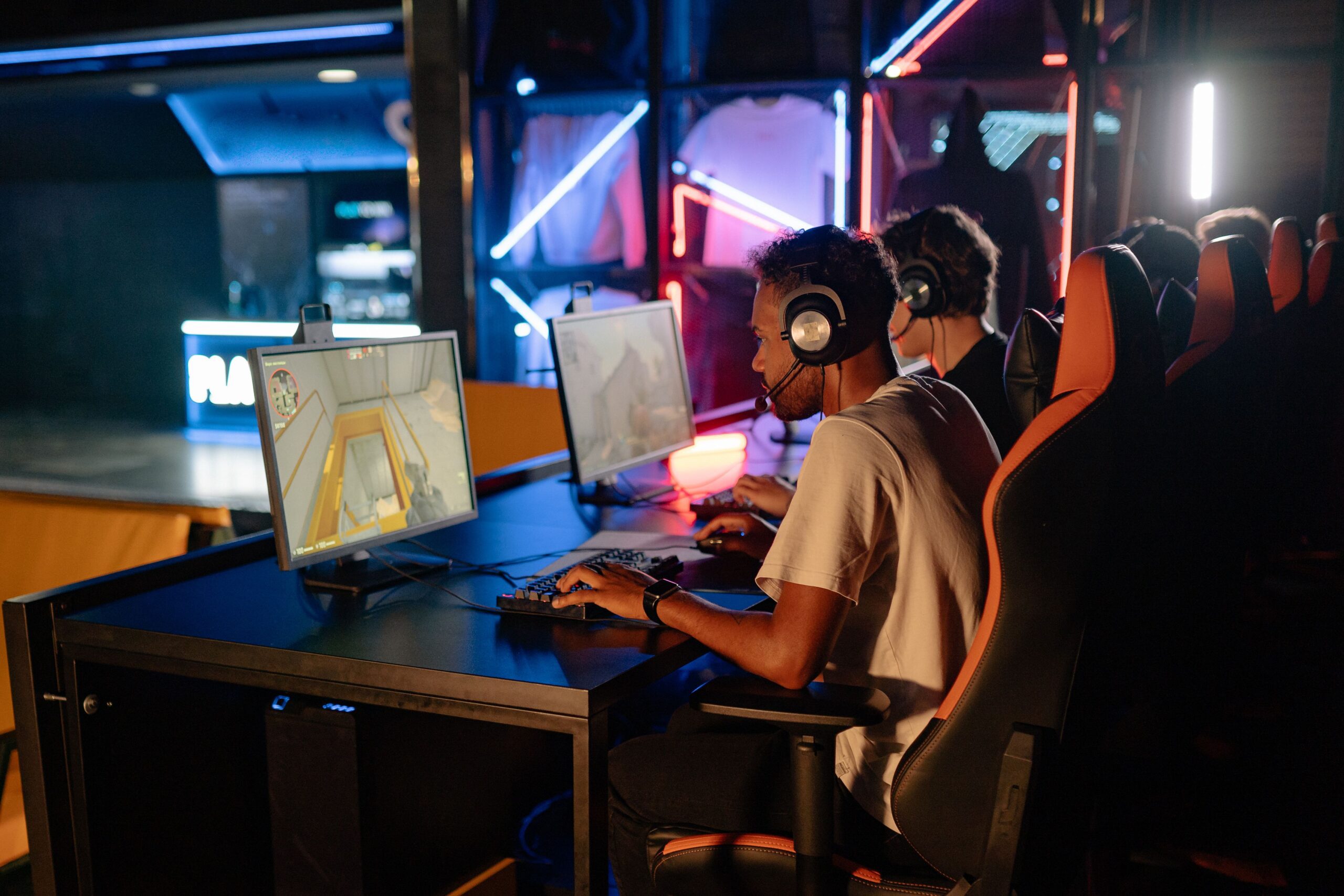
Competitive gaming in Ireland no longer feels like a small side hobby hidden away in bedrooms and Discord servers. It has moved into colleges, live venues, national finals and festival stages, with players, teams and spectators treating it with the same kind of care you would expect around any organised competition.
One of the clearest recent examples came through the Ireland Esports Collegiate Series, with national finals held at GamerFest 2026 in Dublin. College teams competed live on stage, giving Irish esports a proper event setting instead of leaving the whole thing online. For many online game players, that kind of setup changes the feeling completely. You’re not just queuing into a match. You are representing your home base.
College Esports Is Becoming More Serious
College esports gives players a reason to organise themselves properly. A casual group of friends can be brilliant on a good night, but competition asks for more than mechanical skill. Teams need schedules, practice blocks, role clarity and someone willing to say, “Lads, maybe running it down mid again isn’t the plan.”
A collegiate format also gives players a clearer route into structured gaming. Instead of waiting for a professional opportunity to appear from nowhere, students can start inside their own college community, making the scene easier to enter, especially for players who are talented but still need experience in organised matches.
With live finals, online play can feel familiar and controlled. A stage match brings noise, nerves, delays, warm-up routines and a very real awareness that people are watching. Those conditions test a different side of a player.
For spectators, college tournaments are easy to support because they come with built-in identity. You’re not only watching usernames. You’re watching universities, friends, classmates and local communities get behind their teams.
Events Give Gaming a Proper Home
Gaming festivals help competitive play feel more visible. A big event space brings esports, cosplay, content creators, casual players, families and hardware brands into one place. This shows gaming as a broad culture, not only a screen and a scoreboard.
GamerFest has become one of Ireland’s major gaming events, and its 2026 edition again put esports beside the wider fan experience. Someone may arrive for cosplay, retro games or creator panels, then end up watching a final because the crowd energy pulls them in.
Live events also make the effort behind competition more obvious. Players are not just “good at games”. They prepare, review matches, track patches, study opponents and build trust with teammates. Anyone who has played a ranked mode knows raw skill helps, but organised competition can expose every weak habit very quickly.
The same habit of comparing platforms now runs across online entertainment more broadly. Gaming fans look for clear event pages, easy account tools, fast access and simple terms. In a different part of that wider entertainment space, comparison pages for fast withdrawal casinos Ireland show how people also check speed, payment clarity and platform details before choosing where to spend time online.
Form, Updates and Team Changes Matter
Anyone following Irish esports competitions should look beyond the final score. A team’s recent form, roster stability and game updates can say a lot about what is happening behind the result.
Roster changes can be especially disruptive. A new player could have stronger aim, better calls or more confidence, but overall game chemistry takes time. In team games, one role change can affect the whole setup. A support player moving position, a new in-game leader or a different entry player can change how rounds, fights or rotations are handled.
Patches matter too. A game update can alter weapons, maps, agents, champions, cars, mechanics or strategies depending on the title. The teams that adapt fastest often look sharper early, while others need a few weeks to settle. Viewers who understand the update can read matches with more patience.
Form also needs context. A winning run against weaker teams does not mean the same thing as close losses against strong opposition. A team may be improving even while dropping matches, especially if the details show better coordination.
The Community Side Still Carries It
The strongest part of Irish gaming is still the community around it. Competitions need players, but they also need organisers, volunteers, casters, moderators, coaches, venue staff and the friends who show up to make noise when a final gets tense.
That community side makes local and college esports feel different from bigger international events. The scale may be smaller, but the connection is often stronger. People recognise teams, follow familiar names and remember good runs. A player who starts in a college league can become someone younger players look up to a year later.
For anyone watching from Galway or elsewhere in Ireland, the next few years should be fun. More college events, more live stages and more local players getting proper competitive experience can only make the scene stronger.