When you take a look at listings on most resale apps, it quickly becomes clear that fake and real items almost look identical. The leather looks the same, as well as the packaging. In the past, a buyer could easily identify a genuine item from a counterfeit just by relying on their own observation skills or brand familiarity. Over the years, this has become impossible due to the authentic look of fakes.
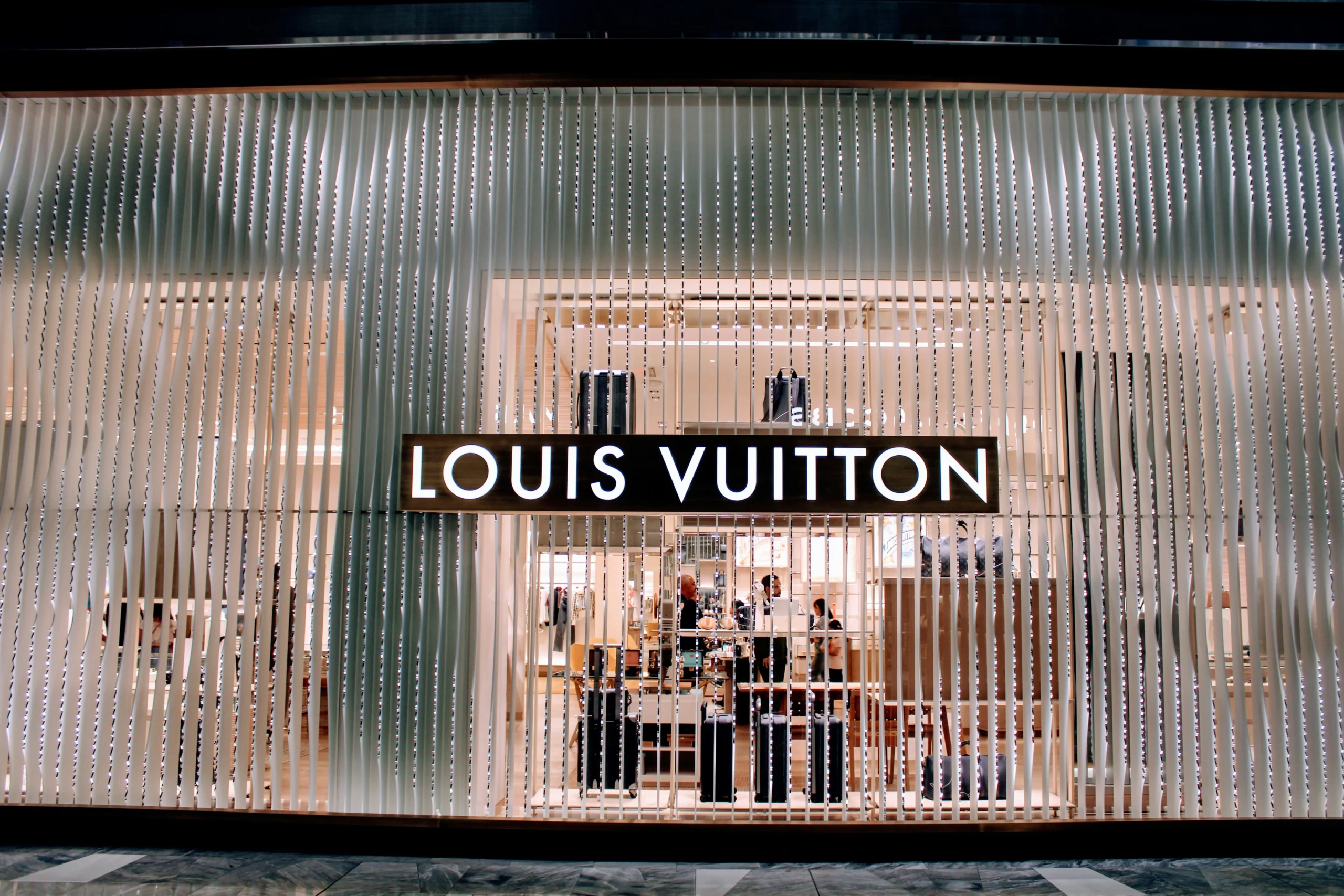
As such, it is no longer enough to rely upon your own good judgment for authenticating items purchased online. In 2026, professional authentication services are considered mandatory, similar to how you would check the VIN of a used car before you purchase it. LegitGrails provides this type of professional service, where you can carry out a proper Louis Vuitton legit check before you hit the “buy” button. Tools like this prevent bad purchases from happening.
Why Fake Items Are Becoming Harder to Identify
Counterfeiters have improved their methods. The days of sloppy craftsmanship, crooked logos, and plastic-feeling leather are over. Counterfeiters today have advanced technology and are able to replicate the weight, texture, spacing, and aging process of materials. As a result, a buyer who is not experienced cannot easily tell that the item is counterfeit.
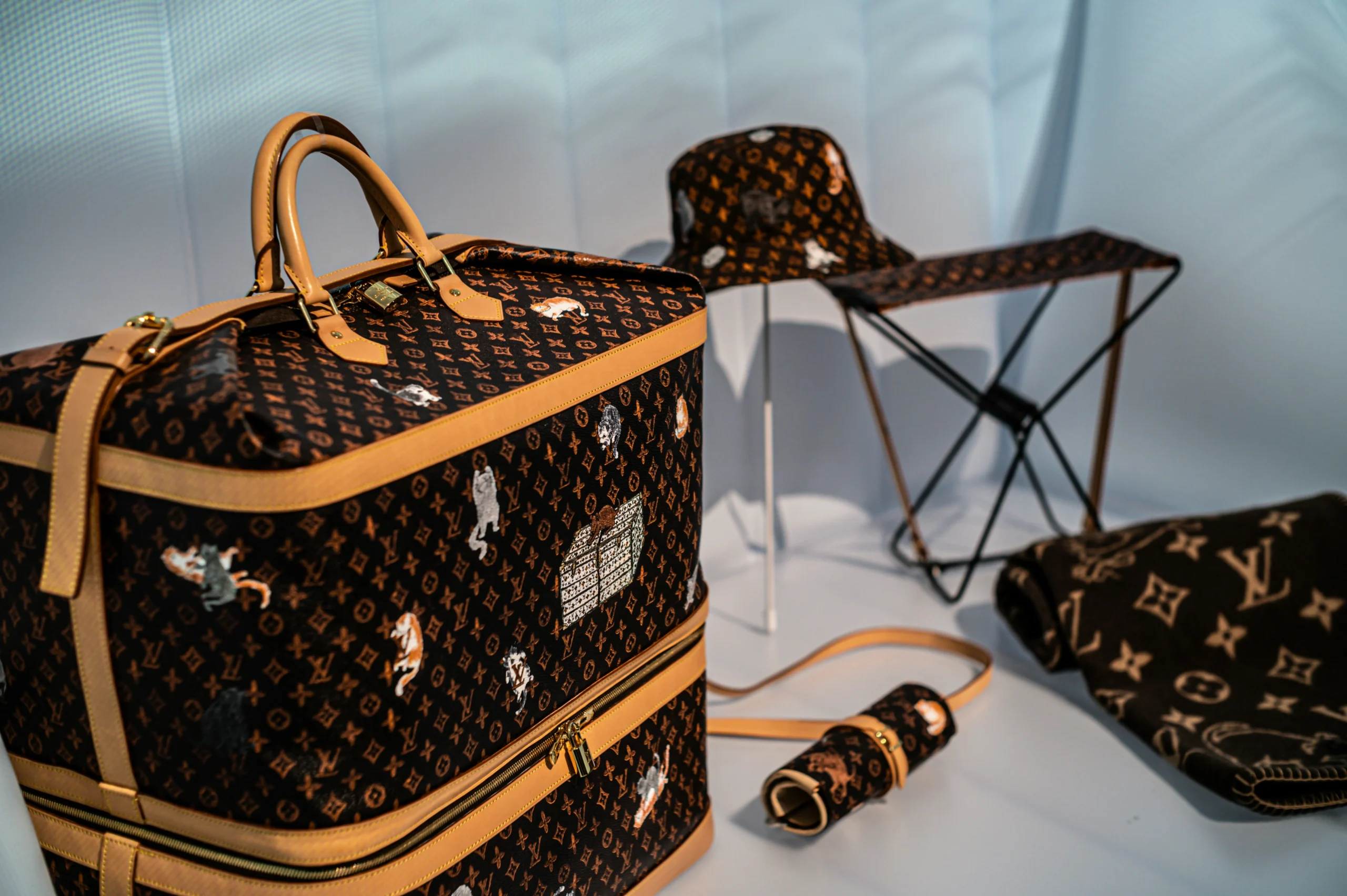
Visual comparisons do not work because counterfeiters have learned how to make products that look practically identical to a genuine item in every way. For example, a counterfeit Louis Vuitton item may have a stitch count that is one stitch off when compared to a genuine item, or the engraving may be only 0.5 mm less deep than it should be, or the proper font may have been produced at too low a pressure to be recognizable as a genuine Louis Vuitton. Most people cannot discern these types of differences on a phone screen.
Adding resale into the picture complicates matters even more, because buyers cannot physically access the item for inspection before buying it, and sellers are often unaware of whether or not they hold a counterfeit item. The sheer volume of goods available on online marketplaces has overwhelmed the platforms’ moderation, causing consumers to lose confidence in their purchases.
How Counterfeit Production Has Advanced
Counterfeit production has evolved into a large-scale manufacturing industry that now operates inside factory buildings instead of back rooms. Counterfeiters have access to sophisticated industrial equipment, top-quality raw materials, and proprietary reference data from major brands. Thus, many counterfeit items are manufactured too close to genuine supply chains and employ nearly identical manufacturing processes and technical knowledge as the authentic goods.
Moreover, counterfeiters possess the ability to bring counterfeit products to market much faster than in the past. Counterfeiters can monitor designs posted on runways for new styles, then replicate them within weeks due to their access to social media and the ability to quickly generate product images utilizing AI. Some counterfeiters’ ability to include RFID tags and QR codes, previously perceived as a safeguard against counterfeiting, provides a similar level of assurance to consumers that a given item is authentic.
Due to the substantial inability of traditional methods of identification to protect consumers from counterfeits, many of the leading resale marketplaces and insurers now recommend independent verification services rather than relying on DIY checks.
How Legit Authentication Helps Identify Fake Items
The primary concept guiding the operations of LegitGrails is that one approach will never be sufficient. Visual examination alone will overlook information, and technical analysis will miss context. Therefore, by using both human-trained authenticators alongside AI-powered comparison tools that can check millions of reference points, LegitGrails provides individuals with trusted authentication reports.
Here’s how it works:
1. Upload Clear Photos of Your Item
To use the authentication platform, the first thing you need to do is submit images of the item. You need high-quality, close-up images of important areas of the objects, including logos, stitching, engravings, date codes, labels, and hardware. Many of these small details can provide most of the information required for LegitGrails to determine authenticity. Blurry photos lead to questionable results, so the platform guides users on what to submit.
2. Expert and AI Review Process
Once you’ve submitted the pictures, the item goes through multiple layers of checks. Initially, the images submitted are scanned by artificial intelligence for comparison against large datasets containing patterns, spacing, font styles, and proportions.
In addition, human authenticators will review items for things machines still struggle with, like construction logic or brand-specific quirks from certain years. The use of peer review, whereby several authenticators assess the same item, ensures there are no mistakes.
3. Authentication Determination and Report
Users will receive a clear verdict that tells them whether the item is genuine or not. In addition, there is also a comprehensive report detailing the reasons why the item was deemed genuine or fake, such as differences in stitching counts, incorrect materials, or manufacturing details that differ from the brand’s records.
Having this level of transparency benefits both buyers and sellers. It gives the buyer a clear picture of all the issues and enables the seller to rectify them. It also allows platforms to resolve disputes quickly.
4. Get Official Certificate of Authenticity
Once an item is confirmed to be genuine, a certificate of authenticity will be issued. In addition to providing sellers with peace of mind, a certificate helps with reselling the item, claiming insurance on the item, and keeping track of the item’s history. Certificates are especially important for resale buyers of bags, watches, and limited-edition sneakers. LegitGrails certificates are digital in nature, traceable, and directly linked to the specific item reviewed.
Why Authentication Matters in Today’s Market
The resale market continues to grow. According to a Boston Consulting Group and Vestiaire Collective report, the global second-hand fashion and luxury resale market is expected to reach between $320 billion and $360 billion by 2030. With that considerable size comes an increase in risk.
Value is based upon authenticity; an authenticated, original product has value, whereas a counterfeit product is worthless. Authenticity also protects the consumer’s trust when making purchases and facilitates repeat business.
Likewise, sellers who maintain the integrity of their products are less likely to face legal challenges or account suspension. Brands can maintain their reputations without monitoring every listing that exists in the marketplace.
In addition, supporting genuine products will also promote ethical business practices and trade. The manufacturing of counterfeit products often involves the use of forced or underpaid labour, along with the illegal activities associated with organized crime.
FAQs
What types of branded items can be authenticated by Legit?
LegitGrails provides authentic verification services for a variety of luxury and street fashion products, such as handbags, shoes, clothing, watches, jewellery, and eyewear from many of the top luxury and streetwear brands.
How long does the authentication process usually take?
LegitGrails has a fast turnaround time, as most verifications are completed in less than 24 hours.
How accurate are online authentication services?
Accuracy depends on the method used. LegitGrails uses a hybrid verification method that combines human expert review with AI and has an accuracy rate above 99% based on both internal audits and customer feedback.
What happens if an item is identified as fake?
If an item proves to be fake, the user receives a clear report stating the item is not genuine. In addition, the report will detail the reasons for the conclusion. There is no certificate issued in this case.