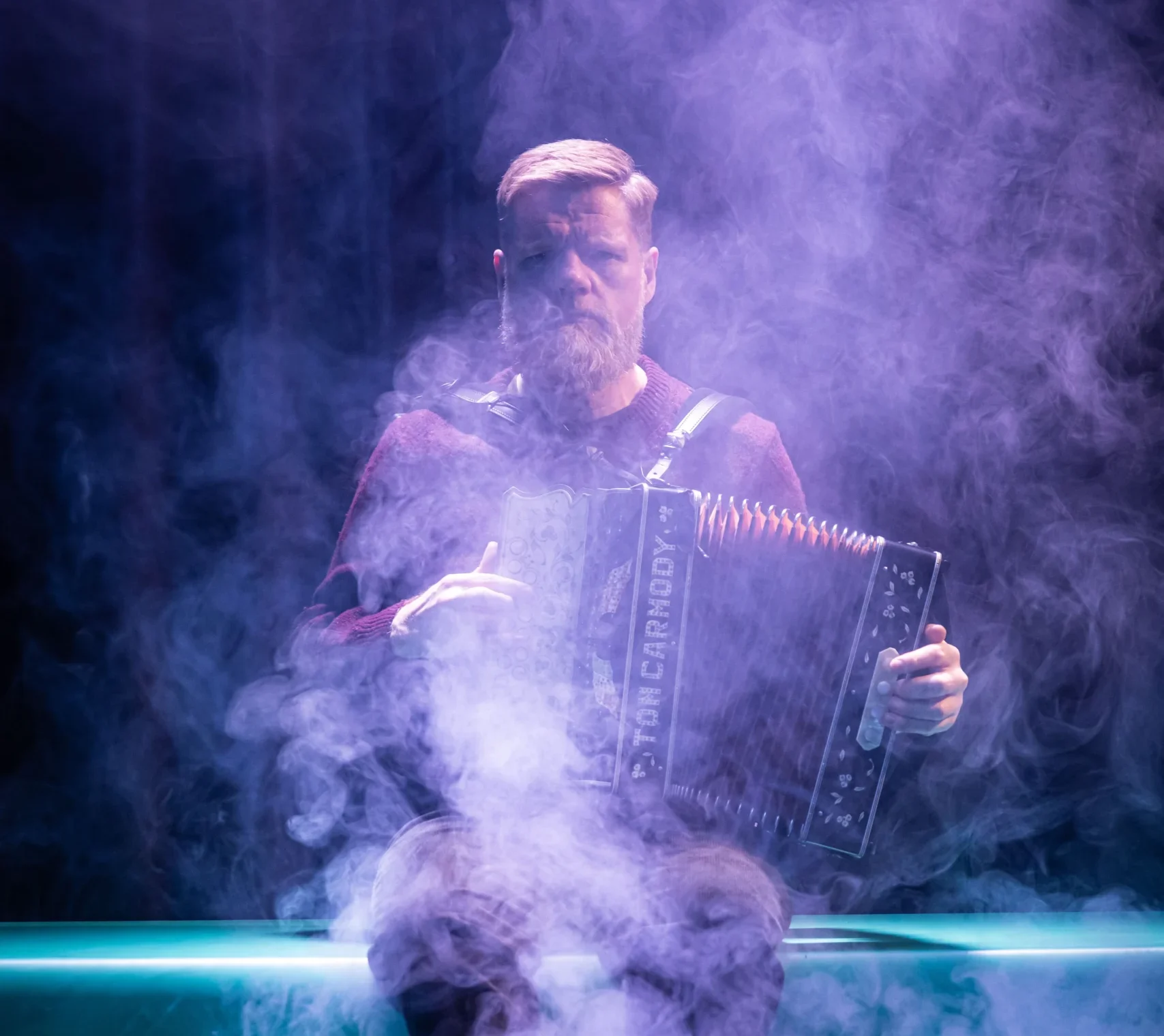
Running from April 30 to May 9 this year, the Galway Theatre Festival presents a programme rooted firmly in theatre, while embracing the many ways theatre can be made and experienced.
Across ten days, audiences will encounter work that draws on music, dance, circus, puppetry and spoken word, all grounded in live performance and storytelling.
This year’s programme reflects the energy and originality of Galway’s artistic community, with over 60% of the line-up created by Galway-based performers and companies.
It brings together a wide range of work across the city’s venues, offering audiences the chance to engage with theatre that is intimate, physical, visual and richly layered.
Irish Language Theatre
Bilingual and Irish language programming remains a central focus for the festival, reflecting the cultural landscape of the west of Ireland and GTF’s commitment to making work in Irish, with a strong offering within the programme for Irish-speaking audiences.
At the same time, bilingual work invites wider audiences in, creating space for shared understanding and exchange through language, story and performance.
At its core, the festival is about artists taking risks and audiences being invited into that process. This year’s programme has been carefully shaped to allow different works to sit alongside and speak to one another, creating a wider conversation across the festival as a whole.
Recurring themes emerge throughout: memory, the body and identity, belonging and displacement, leaving and returning, loneliness, technology, human connection, resistance, and the ways in which the past continues to shape the present.
There is also a clear interest in form. Immersive and interactive work features strongly this year, with artists experimenting with how audiences experience theatre- whether through intimate encounters, participatory pieces or performances that unfold in spaces across the city.
Among this year’s highlights is SWEAT, a striking speculative work set in Galway in 2045, where environmental collapse has reshaped society in radical ways.
Blending dark humour with sharp social commentary, the piece interrogates Irish attitudes to the body, drawing on themes of Catholic guilt, shame, and identity in a world where nudity is no longer a choice but a mandate.
In The Heart Ward, four actors and a rich soundscape trace a life across decades, moving between 1950s London and present-day Galway. This poetic and deeply human work explores illness, memory and survival, asking how the experiences of childhood continue to shape us into old age.
Irish storytelling traditions are reworked through a contemporary lens in The Little Songbird, a haunting tale of myth, morality and community.
Set in a town defined by its codes of belonging, it examines the legacy of shame and the quiet resilience of those pushed to the margins. This will be a rehearsed reading performance.
New work continues to push boundaries of form and identity. ROOM(S) is a lyrical, time-shifting exploration of queerness, memory and migration, moving between Ireland and Australia as it unpacks the emotional architecture of belonging and selfhood.
ROOM(S) and Songbird are works in progress which reflect GTF’s commitment to creating new work from impulse to stage.
Language and place take centre stage in Connemarvellous, a fast-paced bilingual comedy that captures the chaos and humour of a teenager’s reluctant immersion in Gaeltacht life.
Following a successful development and sold-out performances, this full production brings a sharp, affectionate look at growing up Irish, complete with céilís, culture clashes and teenage angst
In a significant collaboration between An Taibhdhearc and Brú Theatre, Neill | Páidín reimagines the world of Pádraic Ó Conaire for a contemporary audience.
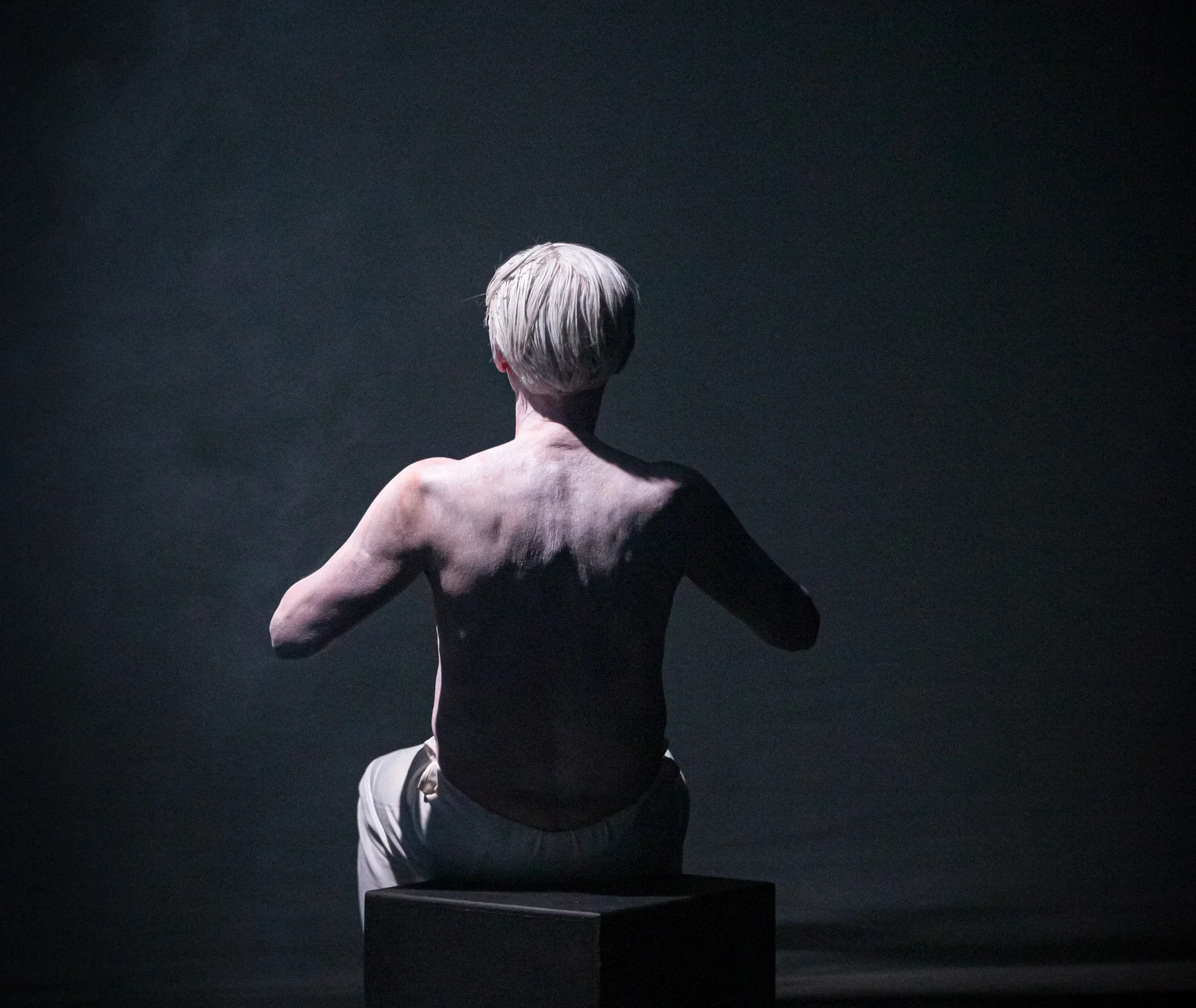
Inspired by Ó Conaire’s seminal Scothscéalta, two interlinked pieces bring the characters of Neill and Páidín Mháire vividly to life, a woman wrestling with betrayal as her moment for revenge approaches, and a fisherman caught in a devastating twist of fate.
Performed in Irish with English language captions through an app, the production immerses audiences in the emotional intensity, rich imagery and lyrical power of one of Galway’s most beloved writers.
Directed by James Riordan, with a live score by Anna Mullarkey and featuring Raymond Keane, Caitríona Ní Mhurchú and Eoin Ó Dubhghaill, this is theatre rooted in language, landscape and legacy- and propelled forward with urgency.
Music and memory drive Housework, an electrifying performance rooted in the voices of Ireland’s pioneering female DJs and club-goers. Drawing on verbatim interviews, it reclaims the dancefloor as a site of resistance, joy and cultural change during the transformative decades of the 1980s and 1990s.
Two standout works in this year’s programme explore connection, care and what it means to navigate uncertainty.
All My Friends Are Bots follows Cassidy, who doesn’t see themselves as the target market for “Automated Companions”. Independent and self-aware, the idea of becoming emotionally attached to an AI that controls home appliances feels unlikely – until a series of unfulfilling relationships begins to shift that perspective.
Darkly comic and unexpectedly tender, the piece examines connection in an increasingly automated world, asking what we gain- and what we lose- when we turn towards forms of love that cannot be returned.
In contrast, The Tightrope Walker offers a quietly affecting account of a woman moving through crisis and recovery. With humour and clarity, Jenny charts the realities of serious illness, reshaping the story each night in response to the moment.
An immersive, live-operated sound design by Martha Knight draws the audience into the work, creating space for reflection and gentle engagement. Blending innovative form with intimate storytelling, The Tightrope Walker considers how care, community and connection can be sustained in difficult times.
Meanwhile, Gulliver in Love offers a playful, participatory experience that places the audience at the centre of a surreal dating journey. Blending satire with immersive performance, it explores modern relationships, queer culture and the search for meaningful connection in a world shaped by apps and expectations.
Across the programme, Galway Theatre Festival 2026 celebrates artists who are not only responding to the world around them but actively reshaping it-through language, form and imagination.
As Galway once again becomes a stage for new work, the festival invites audiences to experience theatre that is immediate, thought-provoking and unmistakably of this place, while remaining open to the wider world.
The full programme was launched on April 1st and is now available at https://galwaytheatrefestival.com/.