Galway homes carry stories in every room, which makes sustainable decorating feel both practical and personal. Low impact choices simply prioritise materials that grow back quickly, carry less embodied energy, and keep indoor air clean. Bamboo is a strong example, maturing in three to five years and storing significant carbon as it grows. Recycled aluminium is another, because producing it can use up to 95 percent less energy than creating new metal.
Local policy also supports repair first thinking. The Historic Structures Fund offers grants that typically cover half of eligible costs, with awards ranging from fifty thousand to two hundred thousand euro. The programme values reversible work and conservation, so the guidance aligns with a reuse approach that suits both style and carbon goals.
Materials that lift a room without weighing on the planet
Frames and finishes that respect indoor air
Art deserves safe surroundings, and so do the people living with it. Cotton rag or hemp matboards are pH neutral and biodegradable, which helps preserve prints while limiting chemical off gassing. Water based lacquers and low VOC clear coats keep the air fresher in small Galway flats and family homes where ventilation can be limited.
When comparing finishes, look for products labelled below 50 grams per litre of VOCs. That threshold is far lower than some conventional coatings that can reach several hundred grams per litre, and it offers a simple spec to share with suppliers. For a fresh look that complements low VOC choices in wall decor, explore trendy posters and prints, then pair them with water based finishes.
Quick upgrades that cut waste: A tired frame can become a centrepiece with a simple routine. Remove the glass, replace acidic paper matting with cotton rag or hemp, and back the piece with recycled content board. Sand lightly, then refinish timber with natural oils or water based coats to keep VOCs in check. Makers who prioritise reuse report dramatic waste reductions, with one workshop noting more than 75 percent of scraps diverted through cut off recovery and repurposing.
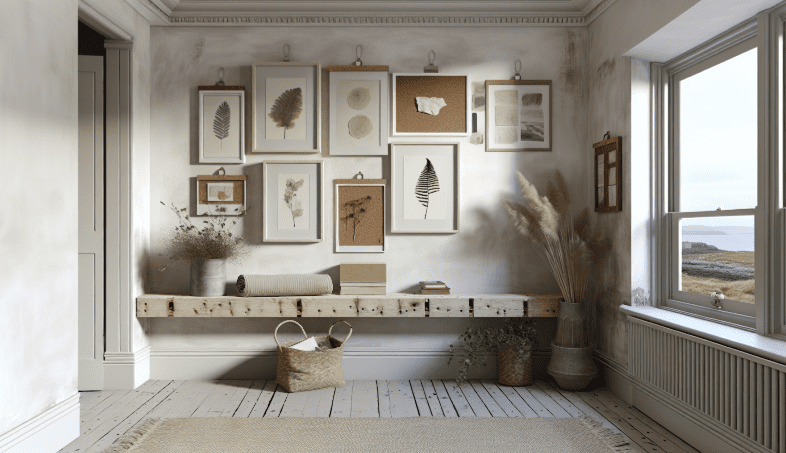
Refreshing art can be part of the same weekend project. Many households mix cherished originals with new pieces to balance personal taste and budget. A curated wall pairs well with a mix of new prints, especially when frames use recycled metal or reclaimed wood to lower the footprint. Swapping in archival matting protects the new additions and ties the whole display together.
Wood, metal and natural textures that last
Bamboo and cork bring warmth and tactility. Cork bark is harvested every nine to twelve years without harming the tree, which makes it a resilient choice for lightweight frames or wall panels, as documented in research on cork harvesting. Reclaimed timber can be refinished to highlight grain, then sealed with water based varnish to minimise emissions.
For a crisp modern look, recycled aluminium frames are widely available in slim profiles. Aim for at least 50 percent recycled content, and ask for clear documentation when you order. Protective glass with UV filtering helps preserve artworks, especially in bright rooms.
When to repair and when to replace: Some items deserve a second life, others need careful assessment. For engineered timber, recent research suggests selective reuse is often viable. After a single wet and dry cycle, about 70 percent of tested specimens remained above a 0.90 residual performance threshold, which supports inspection and testing instead of automatic disposal. Moisture checks and a quick visual review for warping or delamination can guide a repair plan, and reversible joinery allows future maintenance.
The same principle applies at room scale. If basic structure is sound, upgrade surface finishes and fittings first. Replacement should be a last step once repair or adaptation truly cannot meet safety or performance needs.
Local routes to source and repair
Galway residents do not need to start from scratch to go greener. Community programmes such as the Rediscovery Centre’s Relove initiatives highlight upcycling skills, repair methods, and ways to find reclaimed materials. Similar repair cafes and local reuse networks can help match a project idea with the right tools or specialist support, which keeps materials in circulation and budgets on track.
Funding and community help when projects grow: For conservation grade work or larger interior updates, Galway homeowners can explore grant support. The programme prioritises repair rather than replace and encourages reversible methods, which aligns with reuse of original joinery and reclaimed materials. Details on eligibility, typical 50 percent co funding, and current timelines are outlined in the Galway City Council’s Historic Structures Fund guidance, available through the official Galway City Council website.
Community initiatives also add practical help. Upcycling workshops, material exchanges, and event based repair services build the skills and confidence to tackle frames, furniture, and fittings without defaulting to new purchases.
A fresher look for Galway, one wall at a time
Thoughtful materials and a repair first mindset bring style and substance together. Rapid renewables like bamboo and cork, recycled metals with clear content percentages, and low VOC finishes provide measurable benefits without compromising design. Add local support for conservation projects and community reuse networks, and greener walls become a realistic plan for every street in Galway. The rooms feel renewed, and the footprint grows lighter with every choice.